
by | Aug 27, 2024 | Business
This is the first part of the four-part series Empowering Vulnerable Populations through Media and Information Literacy. This article focuses on Filipino youths. It will discuss the importance of Media and Information Literacy (MIL) for the youth. Also, it will elaborate on how MIL can empower them to navigate the digital age safely and responsibly.
In the complex and interconnected digital world, vulnerable youth face unique challenges in keeping themselves safe from bad actors that lurk online.
Since they have less agency and less discretion on the media they are consuming, they are considered easy targets by wrongdoers.
Since these vulnerable groups often lack the resources and education needed to effectively interpret media, they are more susceptible to exploitation and misinformation. Thus, media and information literacy (MIL) is crucial to equip them with the skills to critically access, analyze, and evaluate media content. These skills foster safer and more informed online experiences, in particular those who face heightened risks and barriers.
The Power of MIL for Vulnerable Youth
The common cyber challenges that Filipino youths face include misinformation, cyberbullying, and online exploitation. They are easy targets simply because they lack digital literacy skills to combat these risks. That is where the role of media and information literacy comes in. These skills enable them to understand their online rights, to navigate the digital landscape responsibly, and to make informed decisions.
For example, these youths can avoid scams simply because they can distinguish whether the sales page they are exposed to is credible or not. Another one, they can alert social media companies that they have been harassed online and the said companies will take action simply because these youths know they have the right to be protected from bad actors in the digital space.
When vulnerable youths know what risks they face in using media and how to protect themselves from danger, their guardians could heap a sigh of relief that their wards are on a good digital experience.
Addressing the Challenges
Vulnerable youth often encounter significant obstacles in accessing and interpreting media. These challenges may include limited digital access, lower literacy levels, and susceptibility to misinformation and online risks. Imagine where children are not exposed to gadgets simply because their parents cannot afford them. Then, they reach a certain age where they can afford to get gadgets like mobile phones or tablets. The likelihood they may face online exploitation like scams and misinformation on certain narratives is high simply because they were not trained to use digital resources and were not trained in digital literacy at a young age.
In short, socioeconomic factors, education levels, and technology access significantly impact their ability to navigate the online world safely.
So how to address these challenges? First, make it accessible for every family to have digital resources and internet connectivity. Governments should invest in manufacturing cheaper technology that the general population could avail of and ensure that there are enough subsidies to build internet towers in every city. Of course, this will take time but industrialization for the sake of global competitiveness in general should be the main driver to trickle down MIL investments.
However, our policy-makers could make short-term solutions while the country is far beyond industrialization. These include education and community initiatives.
Empowering Through Education
MIL education is vital to empower vulnerable youth. When MIL is incorporated into school programs, children will learn the skillsets attached to the said subject.
However, there must be some avenues to validate and practice such learning. These include workshops and community engagements. They can equip students with the tools to critically assess media content and to navigate the digital world confidently.
Building Effective MIL Programs
To build effective MIL programs, there should be collaboration among schools, community organizations, and policymakers. Understand that MIL education in itself is an interconnected system so it is a must that people contribute their part to make it work.
Now, how to ensure that MIL programs are successful for vulnerable youth? These programs must be accessible, relevant, and engaging. It should also be complemented with technology to enhance MIL education. However, as discussed in previous articles, there are some challenges in pursuit of this program so accessibility and inclusivity should always be a priority.
Moreover, teachers should also be empowered and well-financed in the said programs because they are the key determinants in the success of MIL education.
A Call to Action
Empowering the vulnerable Filipino youths through MIL fosters a more informed, resilient, and inclusive Philippines where everyone can access the digital world safely and responsibly.
When policymakers and educators prioritize MIL initiatives for vulnerable youths, they can create a future where every Filipino can access and engage with media confidently and critically, regardless of his circumstances. This empowerment is vital for a safer and more informed online experience for all.
Hence, stakeholders should champion MIL education through supportive policies, resource allocation, and continuous training for educators.
Coach Boost Gio
by | Aug 27, 2024 | Business
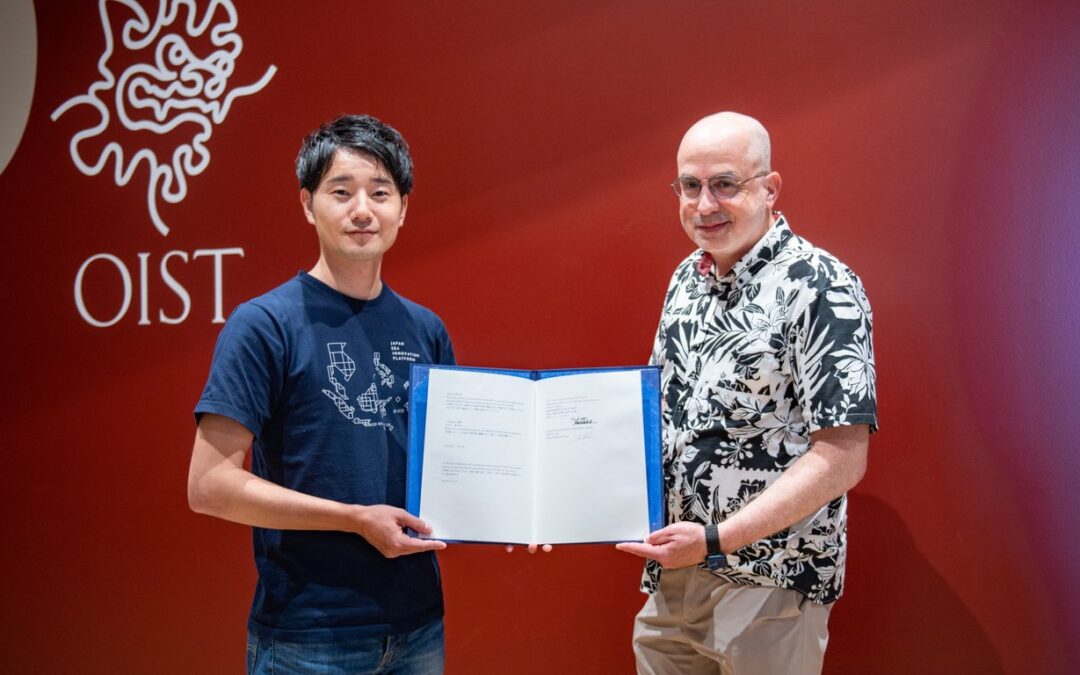
Building a bridge between the startup ecosystems of Asia and Okinawa to foster innovation.
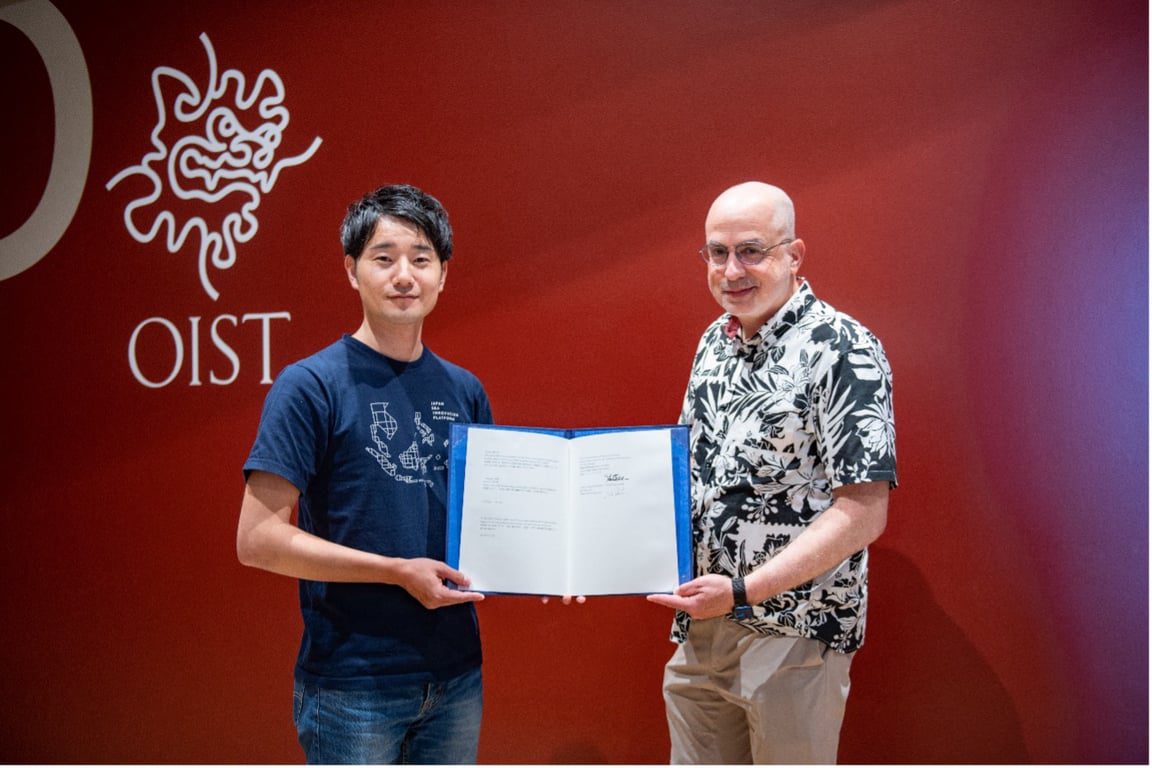
The Okinawa Institute of Science and Technology (OIST) and the Japan Southeast Asia Innovation Platform (JSIP) have signed a Memorandum of Understanding (MOU) aimed at supporting startup communities in Okinawa and Asia. Through this partnership, they seek to strengthen the startup ecosystem and accelerate innovation in Okinawa and across Asia. The collaboration will involve co-organized seminars, mentoring OIST-based startups by JSIP, joint branding and marketing efforts, and supporting startup growth through industry-academia collaboration.
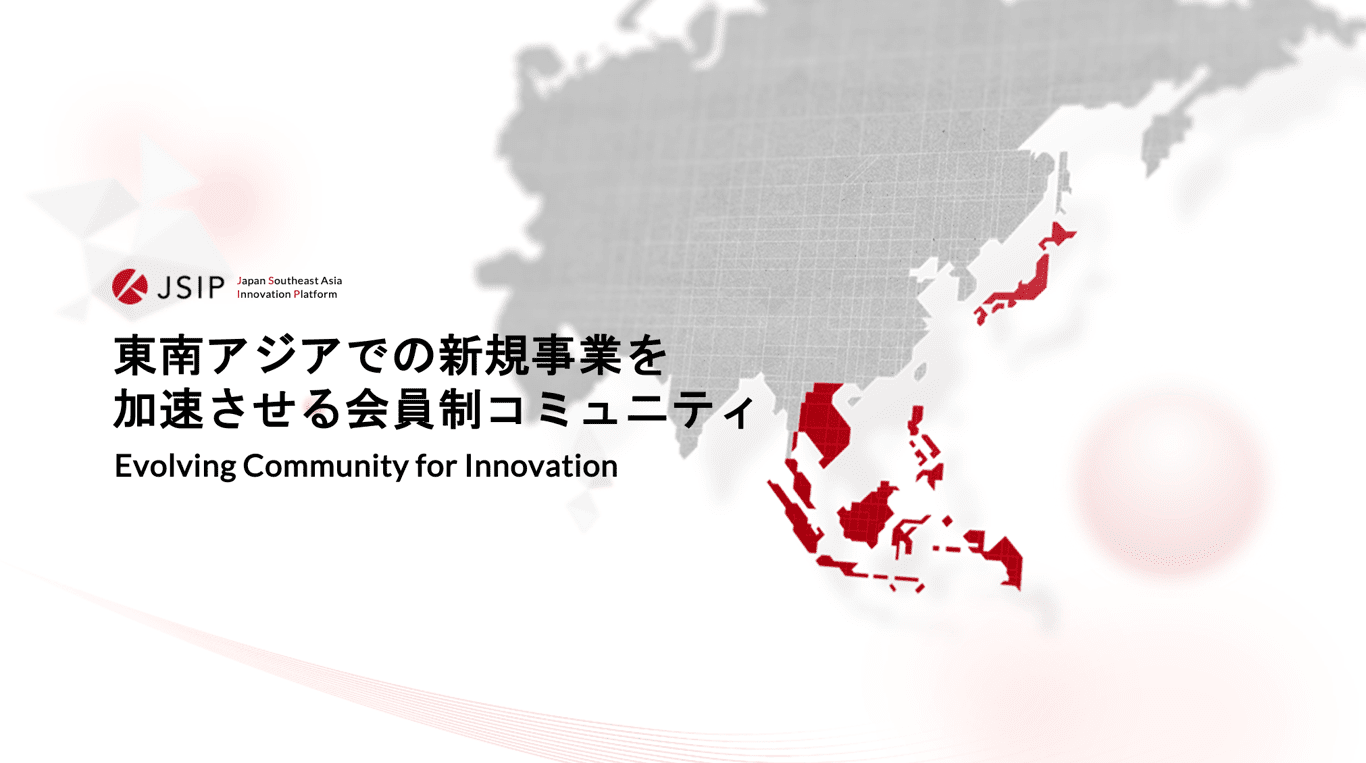
JSIP is a community platform for the launch and growth of new, Japanese business ventures in Southeast Asia. Centered in Singapore, it unites experts from Japan and the rest of the world to foster cross-industry collaboration, creating a solid foundation for rapid business expansion throughout the region.
The signing of this MOU is expected to further energize the startup ecosystem in Okinawa, marking a significant step towards extending the pioneer spirit of Okinawa to the rest of Asia and beyond.
【Goals of the MOU】
Planning and organizing joint seminars: Co-hosting seminars for startups in the Asia region to introduce the latest trends in technology and business.
Mentoring by JSIP: JSIP will provide mentoring to OIST-based startups to help them address their challenges.
Joint branding and marketing: Leveraging both parties’ networks and resources to support startup branding and marketing.
Other related matters: Implementing various measures to accelerate startup growth through industry-academia collaboration.
【Comments】
• Gil Granot-Mayer, OIST Executive Vice President for Technology Development and Innovation: ” The signing of this MOU is a crucial step towards accelerating the growth and innovation of startups in Asia, while unlocking the potential of Okinawa. This collaboration will further strengthen Okinawa’s startup ecosystem, significantly contributing to the region’s economic development. OIST aims to become a hub for innovation, fostering a startup ecosystem rooted in Okinawa and expanding throughout Asia.”
• Takaki Nakamura, Founder of JSIP’s management team: “We are honored to partner with OIST, a cutting-edge academic and research institution that attracts top global talent. This collaboration will serve as a foundation for bridging the startup ecosystems of Southeast Asia and Okinawa, fostering new innovations and embodying JSIP’s vision of building ‘innovation infrastructure’ that connects Japan and Southeast Asia. Our team is excited about the upcoming collaboration.”
by | Aug 26, 2024 | Business
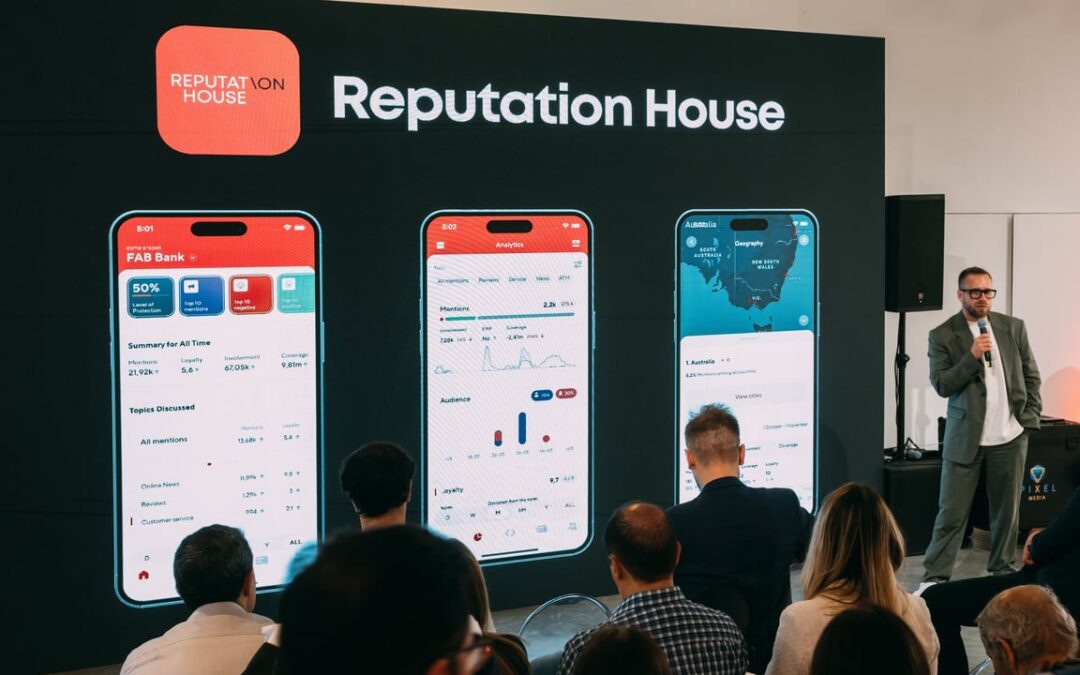
Reputation House’s new services help businesses within the travel and hospitality sector to take full control of their online presence
Reputation House now offers a new set of modern
and comprehensive online reputation management services. This set of tools is
focused on companies and personal brands operating within the HoReCa and travel
business sectors. The new services will help brands of different sizes to excel
their digital presence.
The new service, called ‘Online Presence Control,’ includes eight key components:
● Reputation Audit: A thorough assessment of the company’s current online reputation.
● Mass Media Mention and Social Media Monitoring System: Comprehensive tracking of mentions
across news outlets and social media platforms.
● Daily Monitoring: Continuous surveillance of online activity related to the company.
● Alert System:
Customizable notifications for specific keywords or phrases, enabling swift
responses to critical mentions.
● SaaS Products from Reputation House: AI-powered solutions designed to protect and
improve the company’s reputation.
● Live Tech Support: Immediate technical assistance to address any issues or concerns.
● Weekly Reports: Detailed summaries of online activity and reputation status.
● A personal manager to oversee and guide the reputation management process.
Dima Raketa, CEO of Reputation House,
commented, ‘Before offering a new set of
services, we conducted thorough research analyzing the travel industry impacted
by reputation challenges the most worldwide. Thus, we created a solution with a
particular focus on digital image and the level of presence in the web. We
believe that having the right tools to manage and protect your brand image is
essential. Our new offerings reflect our commitment to innovation and
excellence in reputation management.’
Today, Reputation House specializes in
detecting issues and fixing online performance: Search Engine Reputation
Management (SERM), online mentions’ monitoring, online reputation analytics,
lead generation, deleting information from websites and search engines, and
evaluating digital engagement and coverage. For over 10 years Reputation House
has secured online reputation for more than 1,000 international companies that
include governments, corporations, companies, NGOs, and individuals.
To learn more about Reputation House and its
services, visit the website.

by | Aug 26, 2024 | Business
This is the last part of the four-part series on Media and Information Literacy in the Disinformation Web. This article will discuss how Media and Information Literacy (MIL) in the Philippines is essential for combating disinformation. Also, it will feature MIL initiatives, their impact, and strategies for building a resilient society.
In an age of rampant misinformation, media and information literacy (MIL) stands as a beacon of hope for the Philippines. This essential skill set empowers individuals to adapt from the complexities of the digital landscape. It helps people to critically evaluate information,and resist manipulation.
The Vital Role of MIL in the Philippines
Media and Information Literacy encompasses the ability to access, analyze, evaluate, and create media in various forms, along with an ethical understanding of media consumption and production. Hence, MIL is particularly vital. It enables citizens to discern credible sources from the sea of misinformation that often floods these platforms. It enables people to make informed decisions.
For example, as discussed in previous articles, social media is deeply embedded in daily life of Filipinos since the Philippine is the Social Media Capital of the World. It was also highlighted in the previous article about the need of Filipinos to be educated on MIL because they tend to be victims of fake news from influencers.
Government-Led Media Literacy Campaigns
The Philippine government recognizes the threat of disinformation that is why they have taken proactive measures. The initiative includes a nationwide media literacy campaign which was spearheaded by the Marcos administration. This program aims to equip Filipinos with the critical thinking skills necessary to figure out the media landscape effectively. This campaign involves a collaborative effort among various government agencies, including the Presidential Communication Office (PCO), the Department of Education (DepEd), and the Commission on Higher Education (CHED). The campaign focuses on teaching individuals how to discern credible sources and engage responsibly with the media.
Academic and Non-Profit Contributions
Alongside government initiatives, academic institutions and non-profit organizations play a pivotal role in promoting MIL. For example, Tsek.ph is a collaborative fact-checking project that counters disinformation by providing verified information. Meanwhile, VERA Files, an independent media organization, conducts in-depth analysis and fact-checking to promote accurate reporting.
MIL: A Weapon Against Disinformation
Strong MIL skills has a profound impact on an individual’s ability to resist manipulation and make informed choices. MIL enhances critical thinking and it encourages individuals to question the validity of information. It also fosters informed decision-making that is crucial in a democratic society like the Philippines. Moreover, MIL builds resilience against manipulation, as seen during the COVID-19 pandemic, where MIL initiatives successfully debunked vaccine myths.
Lessons Learned and the Way Forward
As the Philippines continues its fight against disinformation, several key lessons have emerged:
Proactive Education: Early and continuous education about MIL is essential to build a more informed and resilient society. Remember, they are not easily manipulated by misinformation if they are trained to discern the validity of sources.
Collaboration: Successful MIL initiatives require collaboration between government agencies, educational institutions, and media organizations to amplify their reach and impact.
Lifelong Learning: MIL is an ongoing process, requiring continuous updates and innovations to keep pace with the evolving digital landscape.
In conclusion, media and information literacy is a powerful tool in the ongoing battle against disinformation in the Philippines. By fostering strong MIL skills, individuals can become discerning consumers of information, resist manipulation, and actively participate in shaping a well-informed and resilient society.
Coach Boost Gio
by | Aug 25, 2024 | Business
This is the third part of the four-part series on Media and Information Literacy in the Disinformation Web. This article will feature essential fact-checking tools that enhance media and information literacy in the Philippines, helping you combat misinformation and verify credible sources.
Combating Misinformation in the Philippines: Essential Fact-Checking Tools
As previously discussed in the last two articles, the Philippines faces a growing threat – the rapid spread of misinformation. This misinformation includes false narratives, political propaganda, and misleading health claims circulate widely. It has proven to jeopardize democratic processes, public health, and social cohesion.
In this context, media and information literacy (MIL) has become an indispensable skill for Filipinos. MIL equips individuals with the ability to critically evaluate information, identify credible sources, and make informed decisions. Fortunately, a range of powerful fact-checking tools are available to aid in this endeavor.
Local Fact-Checking Initiatives
Several local organizations have emerged as leaders in the fight against misinformation in the Philippines:
Tsek.ph: This collaborative initiative, launched during the 2019 elections. It brings together academic institutions and media organizations to verify information and counter disinformation, particularly during critical periods like elections.
VERA Files: This organization is founded by veteran Filipino journalists. VERA Files is an independent media organization renowned for its rigorous fact-checking and investigative journalism. Their commitment to accuracy and impartiality makes them a trusted source for verifying claims.
FactRakers: Led by journalism students at the University of the Philippines-Diliman, FactRakers focuses on verifying claims and promoting media literacy, contributing to a more informed society.
International and Online Fact-Checking Tools
Beyond local initiatives, several international tools are readily available to help Filipinos combat misinformation:
Google Fact Check Tools: Google offers a suite of tools designed to aid in information verification. The Google Fact Check Explorer allows users to search for debunked stories and images globally, while the Fact Check Markup tool enables content creators to add structured data to their fact checks, enhancing their visibility online.
Challenges and Considerations
While fact-checking tools offer immense value, challenges remain:
Artificial Intelligence (AI): AI is increasingly used in fact-checking for tasks like reverse image searching and natural language processing. However, Filipino fact-checkers have expressed concerns about the reliability, potential biases, and security risks associated with AI tools.
Solutions and Best Practices
To effectively combat misinformation, several key strategies are essential:
Proactive Fact-Checking: Key players should verify claims head on, before they gain widespread traction. This is crucial to prevent the spread of misinformation.
Collaboration: Media organizations, academic institutions, and technology companies must work together to develop robust fact-checking tools and strategies.
Public Education: Raising awareness about media literacy and the availability of fact-checking resources is essential to empower students to critically evaluate information.
Conclusion
The fight against misinformation in the Philippines is ongoing. Nonetheless, Filipinos have access to a wealth of resources to aid in this battle. By utilizing local and international fact-checking initiatives, individuals can enhance their media and information literacy. While challenges exist, proactive fact-checking, collaboration, and public education remain essential pillars in the effort to build a more informed and resilient society.
Coach Boost Gio





You must be logged in to post a comment.