
by Penny Angeles-Tan | Sep 20, 2024 | Business
The EIGEN Season 2 Stakedrop is only specifically for 3 categories of recipients. Are you among those eligible to receive this EIGEN airdrop?
Through its official account on X, the EigenLayer Foundation announced its airdrop event. The EIGEN Season 2 stakedrop was announced on September 4. However, there has been no additional announcement regarding exactly when this airdrop will take place.
Stakedrop EIGEN Season 2 is only specifically for 3 categories of recipients. Are you among those eligible to receive this EIGEN airdrop? Check out the explanation below.
Mengenal EigenLayer
Before discussing EIGEN Season 2 Stakedrop, let’s first discuss EigenLayer. That way, you will become more familiar with this protocol.
So, EigenLayer is a protocol on the Ethereum network. This protocol is very innovative because, with EigenLayer, users can restake ETH that has previously been staked on the Ethereum Beacon Chain.
In this way, the ETH owned by users can be used again to secure other projects built on the Ethereum network. The emergence of EigenLayer makes using ETFs much more efficient.
EigenLayer also helps improve the security of the Ethereum network and projects built on the Ethereum network. With more validators securing the network, the network will become more decentralized and resistant to attacks.
This protocol also opens the door to the development of new, innovative projects on top of Ethereum. That way, developers can easily access the security resources provided by EigenLayer without needing to build their security infrastructure.
EIGEN Season 2 Stakedrop
On September 4, EigenFoundation announced its airdrop event with the title Stakedrop EIGEN Season 2. This event will be held on September 17 2024. However, there is a possibility that it will be held before that date.
There are only 3 categories of recipients who are eligible to take part in this EIGEN airdrop event, namely Stakers & Operators, Ecosystem Partners, and Community. The following is a more detailed explanation.
1. Stakers & Operators
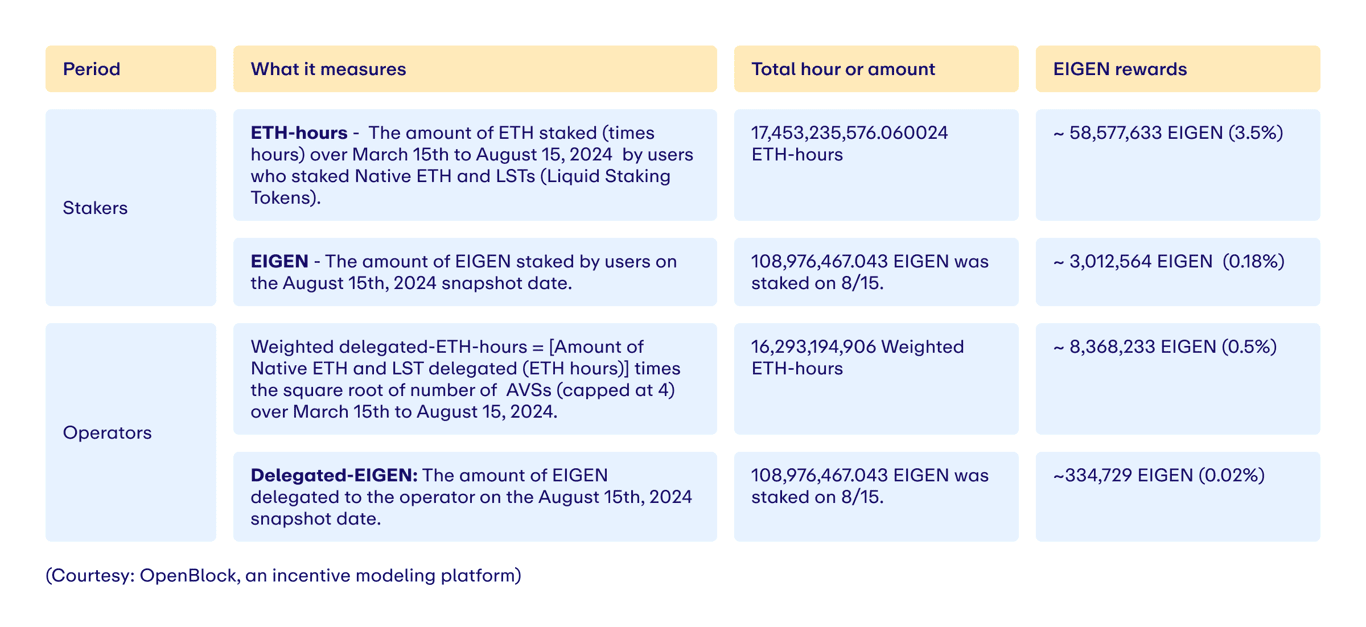
This recipient category is users who have staked ETH or EIGEN tokens. Later, stakers can immediately claim prizes when the airdrop officially opens. To calculate rewards, you can check the following table.
2. Ecosystem Partners
The EIGEN airdrop recipient category includes AVS, LRT, Rollup, RaaS, and other main contributors who meet the requirements of the EigenLayer ecosystem.
3. Community
The community in question is supporters, contributors, and early users of the EigenLayer project. Later, this category will be assessed by carrying out social identity verification as confirmation that the user is indeed in this category.
Conclusion
That is the information about the EIGEN Season 2 Stakedrop. You can follow the latest information about EigenLayer and the official date for holding the season 2 stakedrop by accessing the Bitrue blog.
Bitrue has a variety of the latest information about the crypto ecosystem. That way, you will always be up to date with the various crypto projects currently underway.
by Penny Angeles-Tan | Sep 20, 2024 | Business
The Fed’s rate cut announcement has impacted the crypto ecosystem. Will the USDT price paired with other crypto tokens also increase?
After the Fed announced interest rate cuts, the cryptocurrency industry heated up. Many tokens have experienced price increases. So, what about the USDT price? Has the USDT token pair also experienced positive price changes? The following is the explanation.
Impact of the Fed’s Interest Rate Cut Announcement
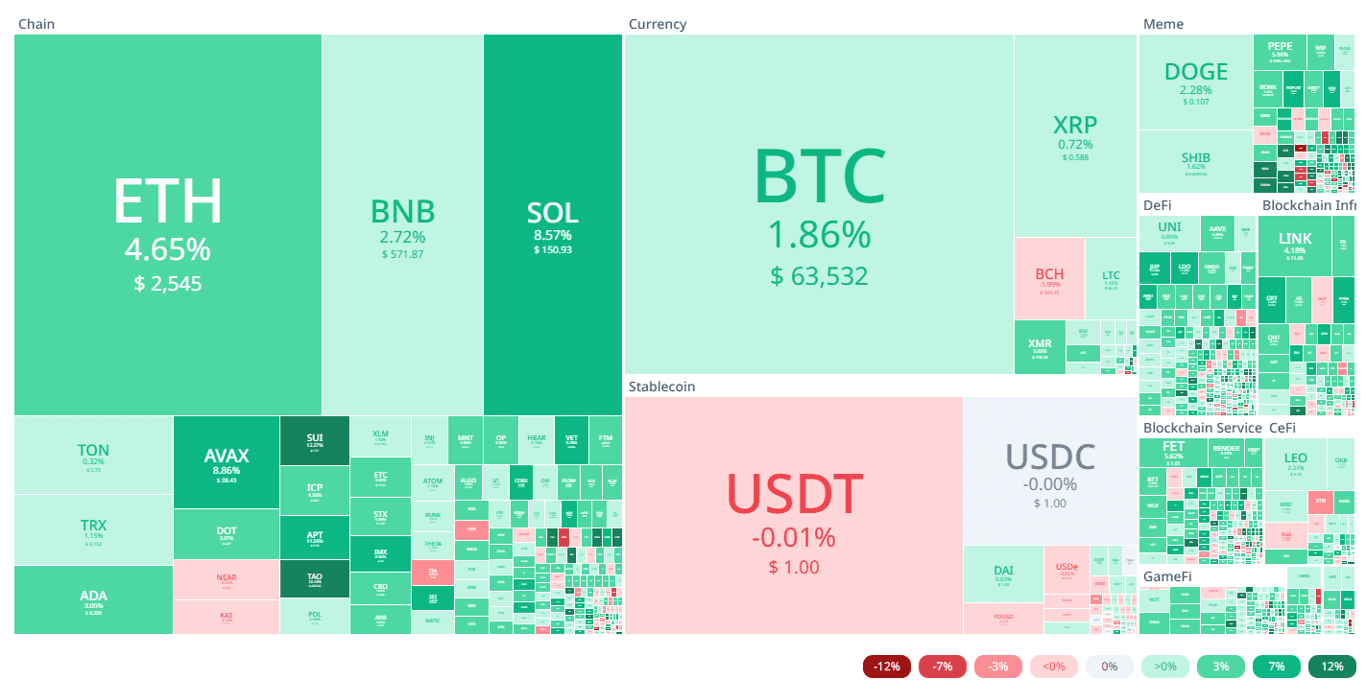
The Fed has announced a 50bps cut in interest rates. This condition has heated up various investment assets, including the crypto industry. The majority of crypto tokens have even gone “green”. This condition is of course encouraging for crypto token holders.
Bitcoin recorded its price at $63,532 with an increase of 1.8% in 24 hours. Then there is Ethereum which has recently experienced a decline and even received a bad reaction from its holders because the price continues to fall. But now, ETH is up 4.65% and has a price of $2,545.
However, it turns out that the condition of positive price changes after the announcement of the interest rate cut does not apply to USDT. USDT Price fell by 0.01%.
Tether USDT Dominates the Stablecoin Market
In the stablecoin market, Tether USDT continues to strengthen its teeth. TON’s USDT Tether dominates and records itself with an increase of up to 75%, from the previous 55%. Its market capitalization even exceeds $118 billion. This figure is proof of the significant increase in Tether USDT in the last 2 years.
There are several reasons why Tether USDT has had such a significant increase now, namely:
- Tether USDT has a strong network with better liquidity than other stablecoins so users have more trust2. Users shift away from USDC due to the collapse of Silicon Valley Bank 3. Tether also has an allocation of US government bonds, thus providing income of up to hundreds of millions for Tether itself.
Conclusion
That is information regarding the current condition of the crypto industry after the announcement of the Fed’s interest rate cut. Even though Tether’s USDT price tends to fall compared to other crypto tokens which rise, this can be a moment to buy USDT as an investment strategy.
However, investing in crypto assets must be accompanied by in-depth research. Carry out technical and fundamental analysis to find out what the condition of the token will be now and in the future.
You can learn how to buy USDT, check prices USDT to USD, to find out the price in real-time on Bitrue. Take advantage of Bitrue’s various features to conduct independent research so that you are more confident in investing in digital assets.
by | Sep 20, 2024 | Business
The Philippines faces significant challenges in reducing carbon emissions, particularly from high-emission sectors like electricity, transport, and industry. In 2023, the country introduced the Low Carbon Economy Investment Act, which establishes a framework to help businesses reduce greenhouse gas (GHG) emissions through mandatory decarbonization plans, a carbon pricing mechanism, and access to carbon markets. This Act emphasizes the importance of encouraging businesses to develop long-term strategies aligned with global climate goals, such as the Paris Agreement. Companies that exceed their emissions limits must contribute to a Decarbonisation Fund, while those who go beyond their targets can earn carbon credits for trade in national and international markets.
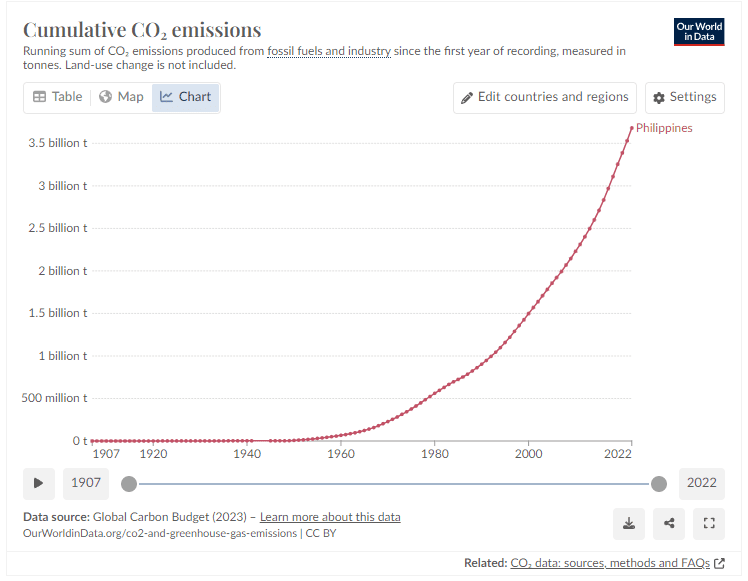
In the Philippines, electricity and heat production are the largest sources of CO2 emissions, followed by transport. The transport sector alone emits over 29 million tons of CO2 annually, while aviation and shipping add more than 2 million tons. Reducing emissions in these sectors will be crucial for the Philippines to meet its climate targets. Fuel-efficient technologies, like Aderco 2055G, offer practical solutions by improving fuel consumption and reducing emissions by 5.26%. If applied in the transport and shipping sectors, this technology could reduce emissions by over 1.6 million tons of CO2 annually.
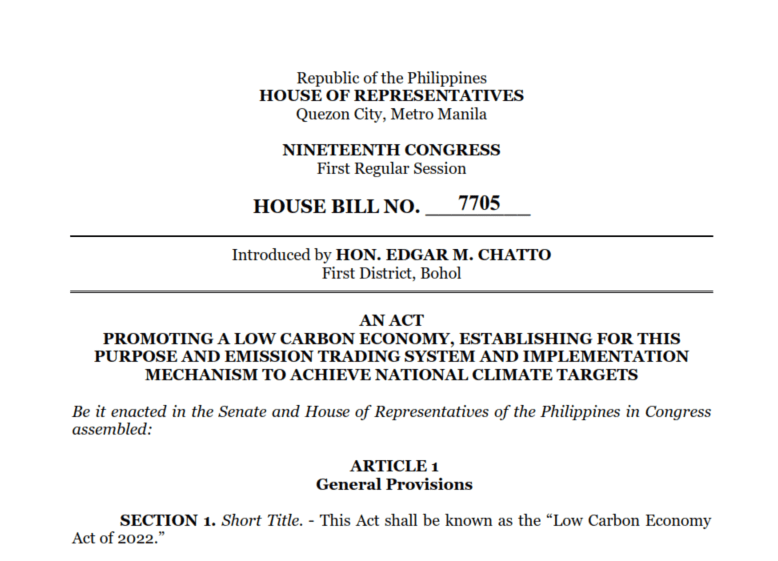
The Low Carbon Economy Act of 2022, introduced in the House of Representatives, is a crucial legislative step toward reducing the Philippines’ greenhouse gas (GHG) emissions. It establishes an emission trading system, aiming to promote sustainable development while addressing the nation’s environmental responsibilities under international agreements like the Paris Agreement. This bill aligns with the country’s Nationally Determined Contribution (NDC) targets, which are designed to reduce GHG emissions by 75% from 2020 to 2030.
Key aspects of the bill include:
- Cap and Trade System: A national cap is set on GHG emissions for high-emission sectors. Companies that emit less than their allowed amount can sell their unused emission credits to others who exceed the cap. This creates a carbon market, providing financial incentives for companies to reduce their emissions.
- Monitoring and Reporting: The Climate Change Commission (CCC) will oversee the management of emissions and ensure compliance with targets. Several government departments will work together to track and report emissions data.
- Just Transition: The bill emphasizes the need to ensure that workers in carbon-intensive industries are supported during the transition to greener alternatives, safeguarding jobs while moving toward sustainable development.
-
Local Government and Private Sector Involvement: Local governments, educational institutions, and private industries are key players in implementing the bill, helping to ensure that climate change measures are effective at all levels of society.
Carbon Markets: A Global Perspective
A carbon market is a system where countries or businesses can buy and sell carbon credits. Each credit represents the right to emit a certain amount of carbon dioxide or other GHGs. The concept is based on setting an overall emissions limit (cap) and allowing trading of credits, incentivizing companies to stay under their cap. If they emit less than allowed, they can sell the extra credits, and if they exceed the cap, they must buy credits.
Many countries have adopted carbon trading systems:
European Union: The EU Emissions Trading System (ETS), established in 2005, is the world’s largest carbon market. It covers major sectors like power generation and heavy industry. The EU has seen significant reductions in emissions since its inception.
China: In 2021, China launched its national carbon market, the world’s largest by volume, covering over 2,000 power plants. This market is a central part of China’s goal to achieve carbon neutrality by 2060.
United States: While there is no federal carbon market, states like California and regions like the Northeastern US (through the Regional Greenhouse Gas Initiative) have implemented cap-and-trade systems. These programs have effectively reduced emissions in these areas.
How the Bill Aligns with the Philippines’ Carbon Reduction Goals
The Philippines is committed to reducing its carbon footprint in line with its NDC. However, the country faces unique challenges, including vulnerability to climate-related disasters and its status as a developing economy. The bill’s introduction represents a significant step toward achieving these targets, by creating a market-driven approach that balances economic growth with environmental protection.
The bill builds on existing climate change programs like the National Climate Change Action Plan and emphasizes the importance of cross-sector collaboration. The goal is to ensure that industries can transition to greener practices without negatively impacting their productivity or workers’ livelihoods.
The Philippines’ Progress Compared to Global Efforts
While the Philippines has been slower to implement carbon trading systems compared to the EU and China, the Low Carbon Economy Act signals the country’s readiness to adopt more ambitious climate measures. Its cap-and-trade mechanism mirrors the systems seen in more developed markets, but it is tailored to the local context, ensuring that the Philippines’ socio-economic realities are considered.
The bill positions the Philippines as a proactive player in the global effort to mitigate climate change, especially in the ASEAN region, where few countries have implemented similar mechanisms. If successfully implemented, it could serve as a model for other developing nations looking to balance economic growth with environmental sustainability
Expanded Overview of CO2 Emissions in the Philippines
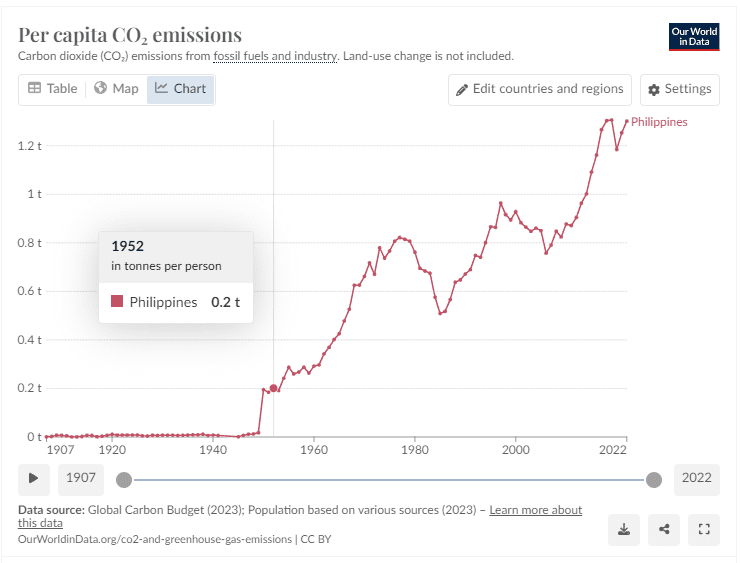
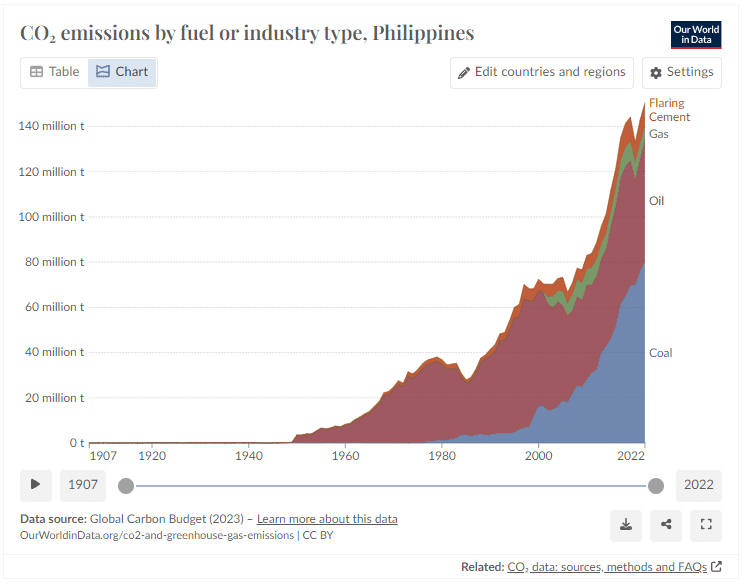
The Philippines, while not one of the world’s largest carbon emitters, faces considerable challenges in reducing its carbon footprint, especially as its economy continues to develop. The country’s emissions are largely driven by high-emission sectors such as electricity generation, transportation, and industry, all of which are critical for economic growth but also major contributors to environmental degradation.
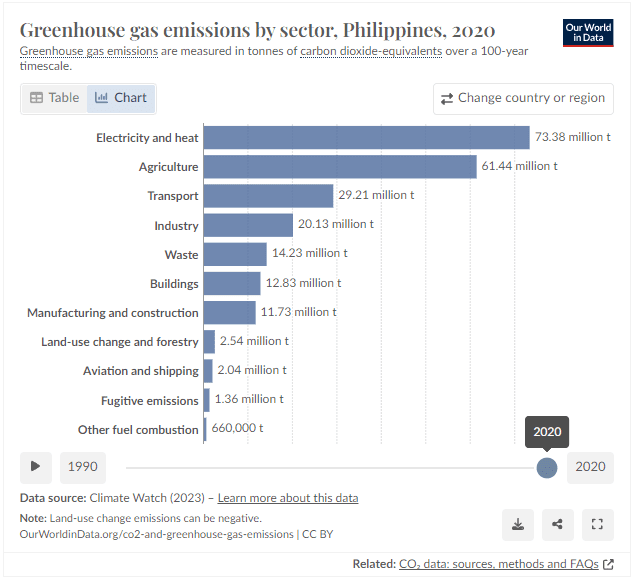
According to Our World in Data, here is a sectoral breakdown of CO2 emissions in the Philippines:
Sectoral Challenges and the Road to Decarbonization
The electricity and heat production sector is the largest emitter, accounting for over 73 million tons of CO2 annually. This is due to the Philippines’ reliance on coal and fossil fuels for energy generation, despite growing investments in renewable energy. The transport sector, which includes cars, buses, and trucks, contributes over 29 million tons annually, and aviation and shipping add another 2 million tons. The rapid urbanization and the demand for more transportation options will continue to put pressure on these sectors unless alternative fuels and technologies are adopted.
Other significant contributors are agriculture, which produces over 61 million tons of CO2 due to methane emissions from livestock and rice paddies, and industry, contributing more than 20 million tons through manufacturing processes that often depend on fossil fuels.
How the Low Carbon Economy Investment Act of 2023 Can Help ?
The Low Carbon Economy Investment Act of 2023 is a response to these environmental challenges, establishing a comprehensive framework to reduce greenhouse gas emissions across the Philippine economy. This Act pushes businesses to develop decarbonization plans, introduces a carbon pricing mechanism, and encourages the use of carbon markets to provide financial incentives for reducing emissions.
Focusing on High-Impact Sectors: Energy and Heat
The energy and heat sectors are responsible for the largest share of CO2 emissions in the Philippines, producing over 73 million tons annually. As the country strives to meet its emissions reduction targets, transforming these sectors is critical. Several innovative technologies and fuel alternatives present viable solutions to transition from coal and fossil fuels to cleaner energy sources. However these technologies were usually more expensives and more complex to deploy. This bill would actually give a chance for these to implemented at scale in the country.
Replacing Coal with Biomass Pellets
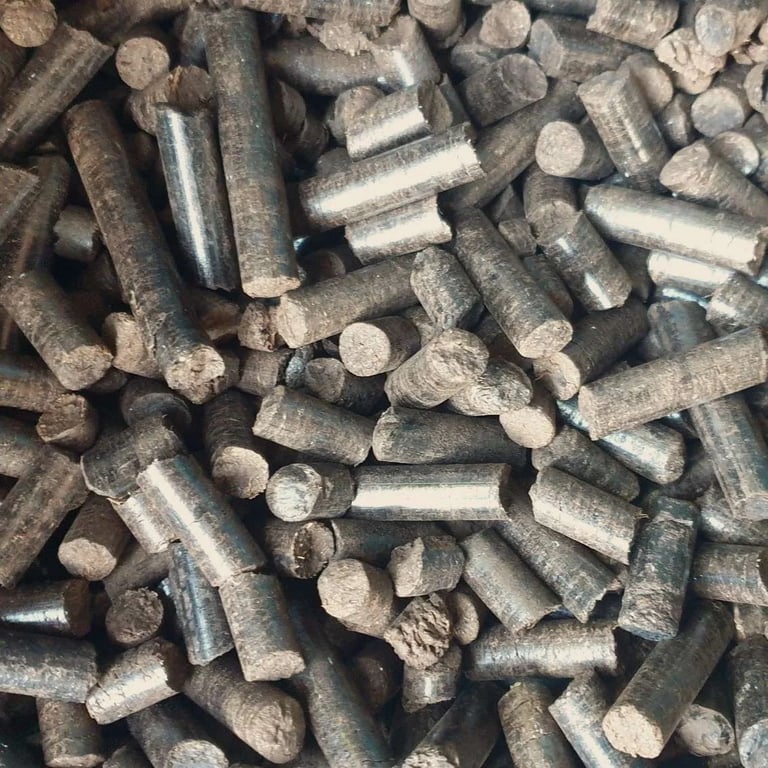
One of the most promising alternatives to coal is the use of biomass pellets. These are renewable fuel sources made from organic materials like wood and agricultural waste. Biomass pellets not only have lower carbon emissions than coal but also offer a renewable and locally sourced solution. Shifting from coal to pellets in the Philippines’ power plants could significantly reduce emissions while maintaining energy production levels.
Reducing Oil Consumption with Gasifier Technology
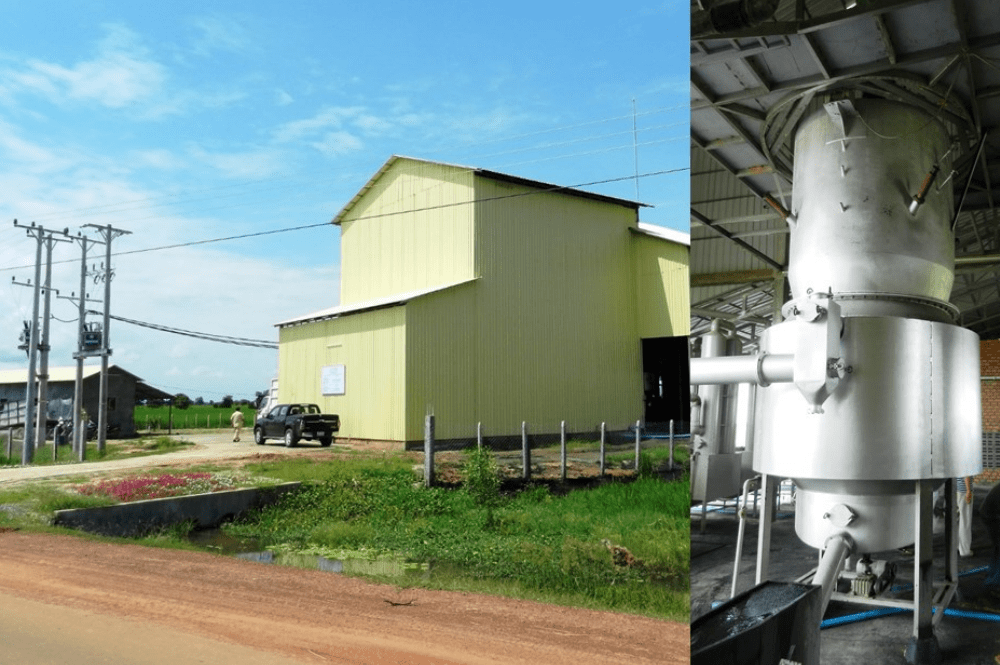
Gasification offers another opportunity to reduce the dependency on oil. Gasifier systems convert solid biomass into a gas that can be used to generate electricity or heat. These systems can be integrated with existing industrial processes or rural energy production, providing a cleaner alternative to oil-based energy solutions. When paired with technologies like Aderco fuel additives, the overall efficiency of fuel consumption increases, further reducing carbon emissions.
Mini-Hydro Potential: Turbulent’s Role
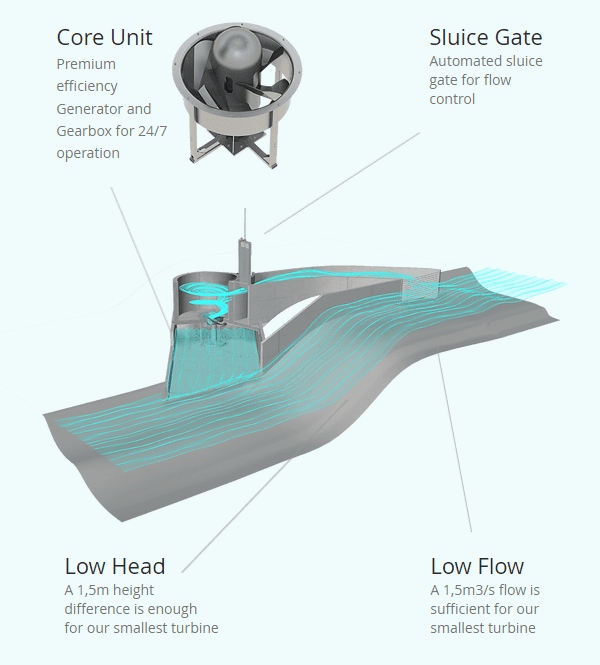
Turbulent, a Belgium-based company, is developing mini-hydro projects in the Philippines, harnessing the power of small rivers and streams to generate clean energy. These small-scale hydropower solutions are ideal for rural and off-grid areas, contributing to the country’s renewable energy portfolio and reducing reliance on fossil fuels.
Increasing Biofuel Standards
The Philippines is also advancing biofuel standards. The blend of biodiesel has already increased from B2 to B3 this year, with plans to reach B5 by 2026. Similarly, the country’s ethanol blend for gasoline is projected to increase from E10 to E15. These initiatives reduce the use of traditional fossil fuels, cutting emissions and promoting local agriculture through biofuel production.
Waste-to-Energy Technologies
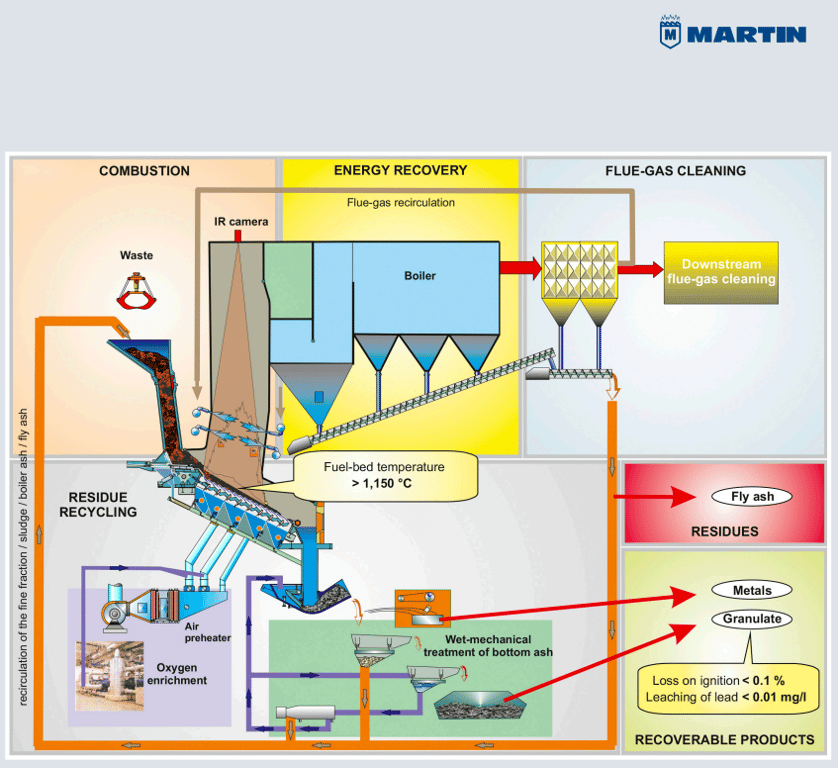
Waste-to-energy (WTE) technologies offer a dual solution by addressing both waste management and energy production. These systems convert municipal solid waste into electricity, reducing landfill use and providing a renewable energy source. As cities in the Philippines continue to grow, WTE projects could play a significant role in generating clean energy from urban waste.
Bio-Methane from Organic Waste
Bio-methane production from organic waste or manure presents another opportunity for sustainable energy. This process not only produces biogas for electricity and heating but also creates organic fertilizer as a by-product, supporting sustainable agriculture. By capturing methane, a potent greenhouse gas, and converting it into energy, the Philippines can further reduce its carbon footprint.

Focusing on High-Impact Sectors: Transport and Shipping
The transport and shipping sectors are two of the largest CO2 contributors in the Philippines, emitting over 31 million tons annually. Reducing emissions in these sectors will be critical if the country is to meet its climate targets.
Potential Solutions for Decarbonizing Transport:
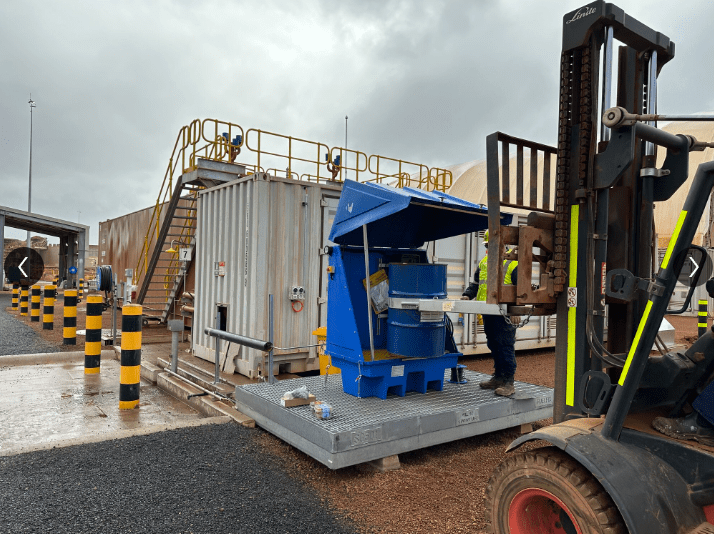
One promising solution is the adoption of fuel treatments such as Aderco 2055G, a vegetal-organic additive that enhances fuel efficiency. For instance, Aderco 2055G has shown a 5.26% reduction in fuel consumption, which directly correlates to lower CO2 emissions (simulator).
By applying this reduction rate to the transport sector, which currently emits 29.21 million tons of CO2 annually, the potential reduction in emissions would be approximately 1.54 million tons. Similarly, in the shipping sector, which emits 2.04 million tons, a 5.26% reduction translates to 107,304 tons less CO2.
Total CO2 reduction potential from these sectors: Over 1.6 million tons annually.
These reductions may seem small compared to total national emissions, but they represent a vital step forward, especially when combined with other initiatives, such as the electrification of public transport or the adoption of hybrid and electric vehicles.
Flexibility in the Act: Encouraging Innovation
The Low Carbon Economy Investment Act promotes innovation by giving businesses the flexibility to decide how to meet their emissions targets. Whether through investing in fuel-efficient technologies like Aderco or participating in collaborative projects with industry peers, businesses can tailor their strategies to fit their unique needs and resources.
This flexibility ensures that companies can reduce their carbon footprint without hindering economic growth, making the Act both environmentally and business-friendly.
Carbon Credits: Financial Incentives for Emission Reductions
In addition to environmental benefits, companies that reduce emissions beyond their targets can earn carbon credits, which can be sold in global markets, providing a financial incentive for sustainable practices.
For example, a company in the transport sector that adopts Aderco’s fuel treatment could not only reduce emissions but also generate carbon credits from the reduction, which could be sold or traded, providing additional revenue streams.
Steps Toward a Sustainable Future
To maximize the benefits of the Low Carbon Economy Investment Act, businesses in the Philippines should:
Develop comprehensive decarbonization plans that align with their operations and future growth.
Invest in fuel-efficient technologies to reduce fuel consumption and emissions.
Leverage carbon credits to create new financial opportunities by exceeding emissions reduction targets.
Collaborate with industry partners to fund larger low-carbon initiatives, such as renewable energy or carbon capture projects.
Conclusion: A Sustainable Path for the Philippines
The Low Carbon Economy Investment Act is a transformative opportunity for the Philippines to align its development with global climate goals. By focusing on high-emission sectors like energy, heat, transport and shipping, and embracing flexible, innovative solutions such as fuel treatments and carbon trading, the country can significantly reduce its carbon footprint.
If businesses act now, they can lead the way toward a greener, more sustainable future while also reaping financial rewards from their efforts. With the right combination of technology, collaboration, and regulatory support, the Philippines has the potential to become a leader in the global transition to a low-carbon economy.
by | Sep 20, 2024 | Business
This article will discuss about USDT’s growth on TON, its role in the decentralized finance (DeFi) ecosystem, and how these developments may impact USDT’s future as a whole.
Tether USD (USDT), a stablecoin pegged to the US dollar, has become a major player in the Open Network (TON) network.
USDT Supply in TON Reaches $729 Million
According to on-chain data analysis from CryptoQuant, the total USDT supply on TON has surged to $729 million in just four months after its integration. This significant increase shows the growing presence of stablecoins in the TON blockchain as the TON to USDT on Bitrue today around 5.7716 USD per TON increase 5% in daily basis
If evaluated separately, USDT on TON would rank as the seventh largest stablecoin by market capitalization, highlighting its significant market position. The integration by the TON Foundation was critical in attracting stablecoin liquidity necessary for network expansion.
Simultaneously, the growing supply of USDT facilitates various financial transactions and supports wider adoption of TON.
Easier P2P Transfers for Everyday Transactions
Additionally, data shows that Tether USD on The Open Network blockchain has become highly effective for peer-to-peer (P2P) value transfer.
The average transfer amount, ranging between $15 and $100, represents frequent, small-scale transactions typical of everyday retail activity. This pattern suggests that users utilize stablecoins for routine financial interactions.
Furthermore, the consistently low median transfer fee of four cents on the TON blockchain ensures that these transactions remain economical for users. This affordability increases its appeal for P2P activities, encouraging its use in daily financial exchanges.
The Role of Tether USD in Decentralized Exchange (DEX) on TON
The decentralized finance (DeFi) ecosystem on the TON blockchain is also influenced by the presence of USDT. This stablecoin is widely used in decentralized exchanges (DEX), forming a core component of DeFi activity on these networks.
Additionally, platforms such as Ston.Fi, Dedust, and StormTrade are among the top entities facilitating transactions on TON.
These DEXs provide critical infrastructure for trading and liquidity provision, allowing users to engage in a variety of DeFi operations.
Moreover, the high usage of stablecoins on these exchanges underscores their importance in fostering an active DeFi environment.
The Future of USDT: Between Optimism and Challenges
Likewise, data on the number of transactions reveals significant user adoption of wallet applications focused on P2P USDT transfers. Wallet services such as XRocket, CryptoBot, Wallet Bot, and CWallet are leading the way in facilitating this interaction.
The recent launch of T-Fund by The Open Network sparked renewed optimism among investors and traders despite the challenges the Toncoin price has faced recently.
T-Fund is designed to accelerate ecosystem growth by supporting new projects and increasing network adoption.
Additionally, the recent UK High Court ruling declaring USDT as property could impact the future adoption of this stablecoin.
This ruling has the potential to reduce regulatory uncertainty and provide a clear legal framework for USDT, which could be seen as a positive sign for its legitimacy and stability.
However, the ruling could also lead to tighter regulatory scrutiny and tougher compliance requirements for Tether.
Additionally, this ruling opens the door to more legal battles or claims against Tether, especially if inconsistencies are discovered in how it manages and reports its reserves.
Overall, the future of USDT on TON and overall seems promising, despite some potential regulatory challenges.
Tether USD has proven itself to be a major player in TON, facilitating everyday financial transactions and supporting the growth of the DeFi ecosystem. Wider adoption of USDT and clear regulatory developments will largely determine its future.
Conclusion
That is information about USDT. You can learn how to buy USDT by accessing the Bitrue website. Bitrue also has a convert feature so you can check prices from USDT to USD easily without having to switch websites.

by Penny Angeles-Tan | Sep 19, 2024 | Business
First in history, Bitcoin was used as payment for transactions by Donald Trump, former President of the United States. This transaction took place at a bar in New York City.
With an end that is considered no longer young, 78 years, this action has received praise. The reason is, that Trump showed adaptation to modern technology by using cryptocurrency to pay for burger and beer orders at PubKey, a famous restaurant and bar in Manhattan that accepts Bitcoin.
PubKey: A Historic Place for Bitcoin Transactions

PubKey is not just an ordinary bar, this place is known as one of the pioneers in accepting Bitcoin as a means of payment. Before Trump attended a rally on Long Island, he stopped at PubKey and made a Bitcoin transaction.
With the help of a PubKey employee, Trump used the bar’s cell phone and tablet to complete the payment.
This moment was greeted enthusiastically by the customers at the bar, especially those who are Bitcoin fans.
One customer even shouted, “Make Bitcoin great again,” as a form of support for Trump’s move. In a post on social media, PubKey called this transaction one of the most historic moments in the world of Bitcoin.
The Rise of Bitcoin and Trump’s Support of Cryptocurrencies
Bitcoin, whose price has soared more than 500% in the past five years, is now priced at around $61,248.50 per Bitcoin.
In fact, when this article was written on September 19, Bitcoin price had increased by +2.95% and was at $61,919. Increased quite significantly compared to the previous day which was below $59K.
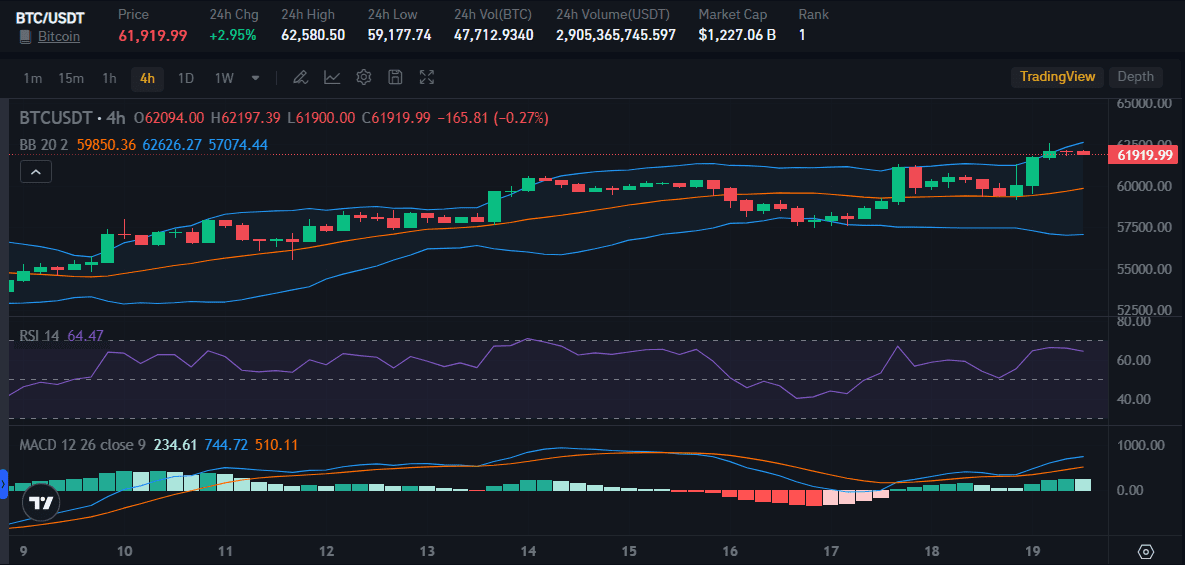
The significant increase in Bitcoin’s value has attracted the attention of investors, including public figures such as Donald Trump.
Trump’s use of Bitcoin in PubKey is not just a symbolic stunt, but also part of a larger push to support cryptocurrencies.
A few days earlier, Trump talked about cryptocurrencies when launching World Liberty Financial, a new venture in the crypto space founded by entrepreneur Steve Witkoff with two of Trump’s sons, Donald Trump Jr. and Eric Trump.
During an event at X Spaces promoting World Liberty Financial, Trump explained that his sons, including 18-year-old Barron Trump, encouraged him to understand and accept cryptocurrency.
Trump even revealed that Barron has several digital “wallets,” which refers to places where Bitcoin and other crypto assets are stored.
“He was talking about his wallet, he had four wallets or something,” Trump said, reflecting his admiration for his son’s understanding of the technology.
Trump’s Ambition to Make America the “Crypto Capital of the Planet”
Trump’s move to use Bitcoin in PubKey is not just a moment in time, but reflects a larger vision for the future of the US in the world of cryptocurrency.
In July, Trump promised to make the United States the “crypto capital of the planet” and “Bitcoin superpower of the world” if he is re-elected president.
Trump also said that if Bitcoin were to go “to the moon,” a term often used in the crypto community to describe its extraordinary price rise, he would want America to lead this revolution.
At the Bitcoin 2024 Conference in Nashville, Trump expressed his commitment to supporting Bitcoin and other cryptocurrencies. He also criticized the policies of President Joe Biden and Vice President Kamala Harris, which he called a “war on crypto.”
Additionally, Trump promised to fire Securities and Exchange Commission (SEC) Chairman Gary Gensler, who is currently leading a regulatory crackdown on digital currencies. For Trump, regulations that are too strict will only hinder the growth of a dynamic and innovative crypto industry.
Trump Campaign and Acceptance of Donations in Crypto
Trump’s commitment to cryptocurrencies is also visible in his campaign moves. In May, the Trump campaign began accepting donations in crypto.
In the announcement, Trump proudly called himself a “crypto candidate,” or a candidate who fully supports digital currency.
Conclusion
Donald Trump’s move using Bitcoins in transactions on PubKey marks a new era in which cryptocurrencies are increasingly accepted in everyday life, even among major political figures such as former US Presidents. This proof us that Bitcoin to USD can be convert in transaction in the public area like PubKey.
With his ambition to make America the world’s crypto hub, Trump clearly sees huge potential in this technology.
With the support of his family, including his younger son Barron, Trump appears ready to lead the US towards a future more connected to the digital world and cryptocurrencies.
If re-elected, Trump promises to fight for Bitcoin and end policies he sees as barriers to crypto innovation.
Meanwhile, the historic moment in PubKey remains one of the most important milestones in Bitcoin’s development, signaling the growing role of cryptocurrency in global life and politics.







You must be logged in to post a comment.