by | Oct 17, 2024 | Business
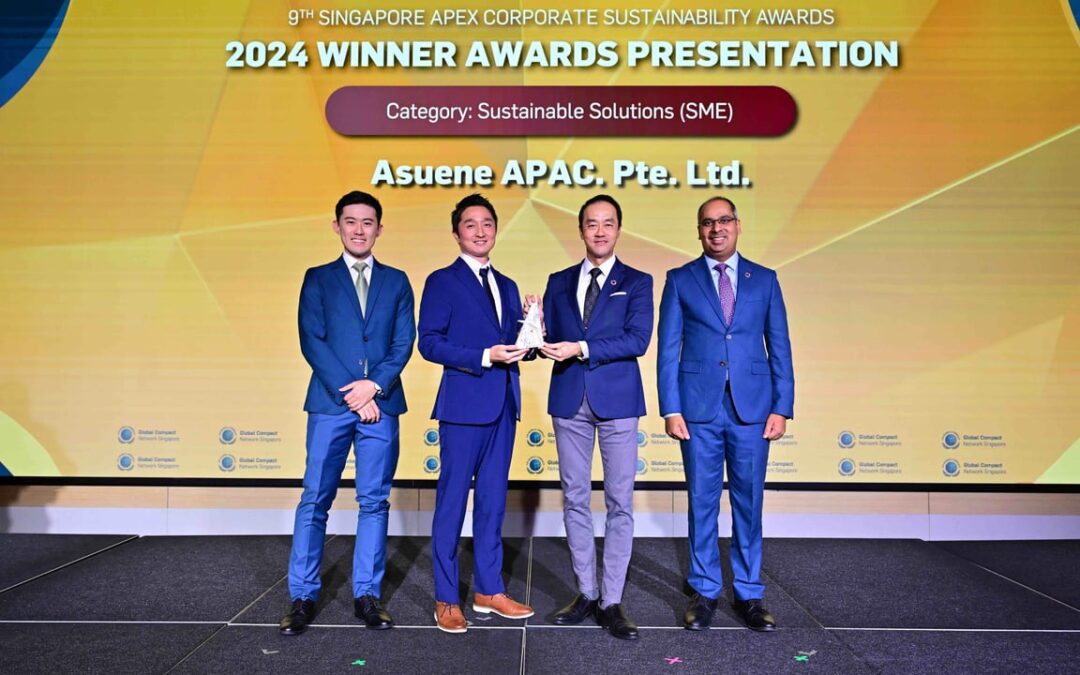
Asuene APAC received the prestigious “Singapore Apex Corporate Sustainability Awards” at the16th GCNS Summit 2024, held at the One Farrer Hotel in Singapore on October 3-4, 2024. 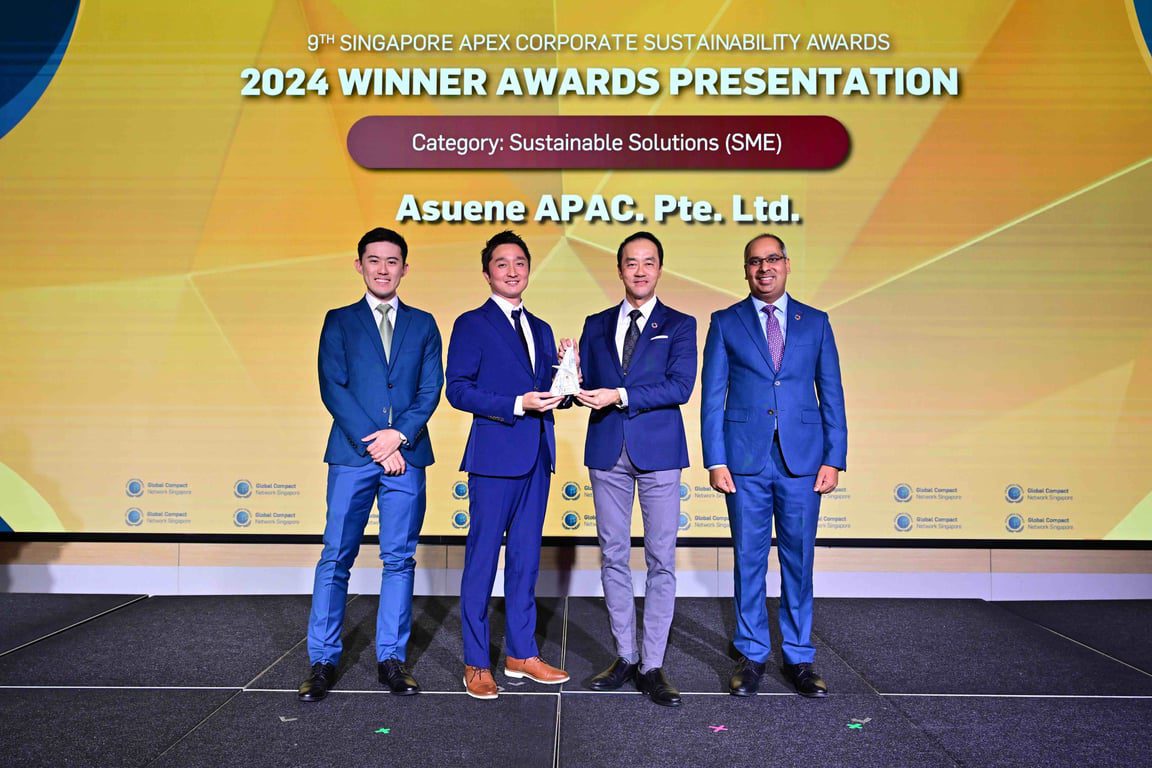
The Singapore Apex Corporate Sustainability Awards features three categories: “SustainableBusiness,” “Sustainable Solutions,” and “LowCarbonSG.” In each category, 5 to 7 companies are nominated as finalists. Asuene APAC won the Singapore Apex Corporate Sustainability Award in the “Sustainable Solutions” category.
This award is given to solution providers that have contributed to advancing sustainability in society and businesses across the APAC region, particularly in Singapore. Asuene APAC has worked tirelessly to promote its cloud service “ASUENE,” a carbon accounting platform, both domestically and regionally. The company’s efforts in promoting corporate decarbonization, along with its promising future potential, were key factors in receiving this honor.
At the award ceremony held at the One Farrer Hotel in Singapore, Masaaki Hamada, ManagingDirector of Asuene APAC, took the stage to receive the award from the Guest of Honor, Dr. Poh Koon Koh, Senior Minister of State for Sustainability and the Environment.
Asuene will continue to support global decarbonization and ESG management from our headquarters in Tokyo, our regional office in Singapore, and our base in the United States.
About the GCNS Summit
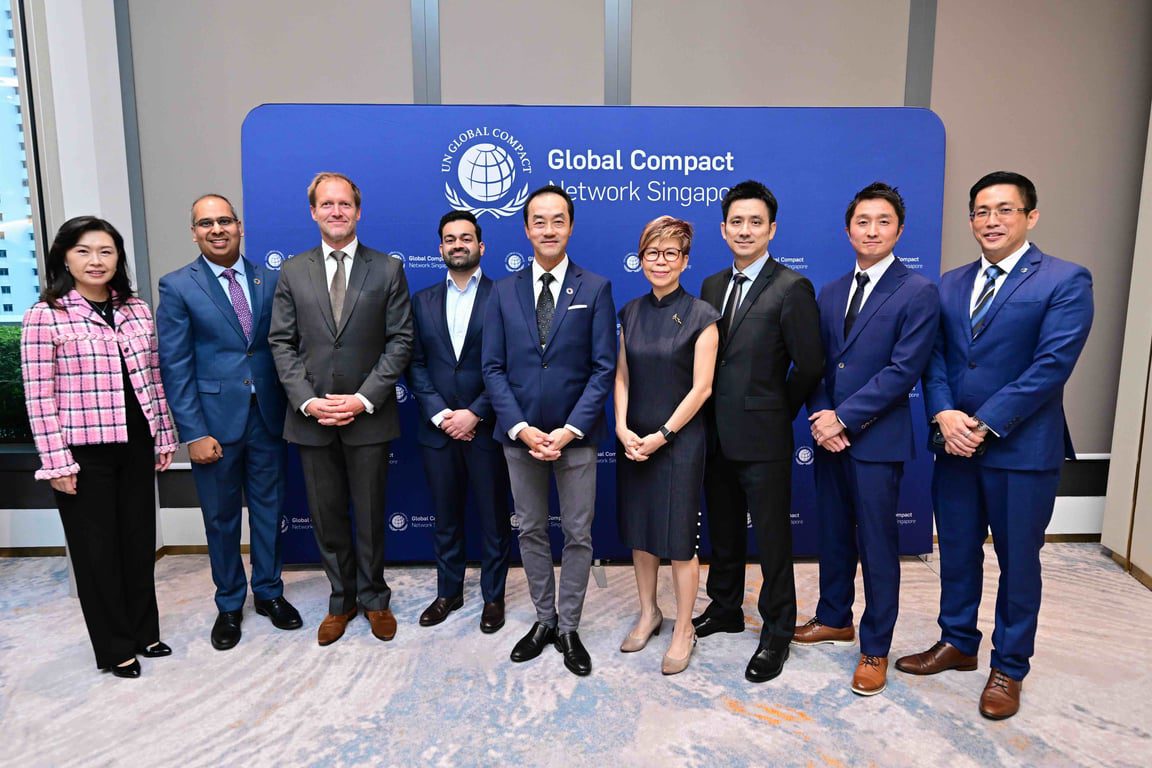
The GCNS Summit is an event organized by the Singapore chapter of UN Global Compact, focusing on corporate sustainability. This year marks the 16th edition of the summit, known as “GCNS Summit 2024.”
Due to climate change and environmental degradation, there is a growing momentum for mandatory environmental, social, and governance (ESG) reporting, including the visualization of CO2 emissions. As a result, the role and responsibility of businesses are increasingly significant.
Achieving net-zero by 2050 requires a fair transition to more sustainable business models.
In this context, the GCNS Summit serves as a platform for meaningful dialogue, collaboration, and action to promote the United Nations Sustainable Development Goals (SDGs) in the Asia-Pacific region, emphasizing the urgency and commitment needed to achieve these goals.
Over the two-day event, influential figures in corporate sustainability from the APAC region, including the President of the UN Global Compact Network Singapore and other board members, delivered speeches and presentations. The summit also included the awarding ceremony for the “Singapore Apex Corporate Sustainability Awards,” which Asuene APAC received.
GCNS Summit – Global Compact Network Singapore: https://summit.unglobalcompact.sg/
Comment from Masaaki Hamada, Managing Director of Asuene APAC
“This award represents a significant milestone for Asuene APAC. The UNGC is one of the most prestigious international organizations globally, and its Singapore chapter, GCNS, undertakes a wide range of activities related to promoting SDGs in society and business, including awareness initiatives and talent development. GCNS holds considerable influence over national policies and the business community. Receiving the esteemed ‘Singapore Apex Corporate Sustainability Awards’ from GCNS will further enhance the trust and recognition of the Asuene APAC brand both domestically and regionally. I would like to express my heartfelt gratitude to our employees, clients, and partner companies who have trusted us and contributed to our growth.”

by | Oct 16, 2024 | Business
The way media has changed over time is really impressive. Thanks to progress in technology changes in how people act and new ways of sharing content recent developments have transformed how we consume news and entertainment. Recognizing these changes is essential to staying relevant and influential in the current media scene.
Technological Progress The Age
Our interaction with content is always changing. The shift from traditional approaches to digital platforms has revolutionized the creation sharing and consumption of content. Thanks to smartphones, fast internet, and cloud technology media companies can now reach audiences worldwide. This change has led to the emergence of formats such as social media platforms podcasts and streaming services each providing distinct ways for viewers to connect with content.
The Rise of Social Media
Platforms like Facebook, Twitter, Instagram, and TikTok impact how we consume media. They do more than share content by promoting user posts and highlighting trending topics. With the power of media, people can express their views and showcase their creativity to a large audience. This shift has created an environment where influencers and independent content creators influence traditional media channels.
Content personalization and data analytics
In today’s age it’s crucial to customize content to align with individual tastes. Companies utilize information and tools to craft tailored experiences for their customers. A striking example of this trend can be found in services such as Netflix and Spotify which use algorithms to suggest movies or songs based on your past selections. Likewise, news apps personalize stories and articles according to your preferences. This move towards personalization has changed the way people perceive the significance and relevance of media.
The Emergence of Artificial Intelligence
The impact of intelligence is revolutionizing industries by boosting efficiency improving user experiences and harnessing data insights to forecast trends. In the media realm, these advancements are proving beneficial as AI contributes to creating news pieces movies and even music. Additionally, AI refines approaches to ensure that ads reach their intended audiences effectively. As AI technology continues to evolve its impact on the media landscape is set to expand presenting both obstacles and possibilities.
The Shift to Subscription-Based Models
The old way of making money through ads in the industry is running into challenges. Nowadays more and more people are opting for streaming services. Many viewers like watching their shows and movies without any interruptions. To meet this demand platforms such as Netflix, Disney+ and Hulu now have subscription plans that give access to a variety of movies and TV shows. Moreover, this trend has prompted traditional media companies to consider subscription models for news and online content. Well-known newspapers like The New York Times and The Washington Post are leading the way in this shift.
The Impact of Globalization
The way we consume content has been transformed by globalization making it simpler to access and share diverse cultural materials. Media companies now can reach audiences across the globe via streaming platforms instead of being confined to specific regions. This shift has provided viewers with choices and heightened competition, among content creators. Additionally, global media trends frequently impact markets leading to an interconnected and ever-changing media landscape.
The Challenge of Misinformation
Its concerning how misinformation and fake news are becoming more common these days. The quick sharing of news on social media and websites has made it easier for misleading or false information to reach many people. Tackling this issue requires steps like creating algorithms establishing content moderation rules and launching media education programs to assist people in assessing the information they come across.
Conclusion
The way we consume content is changing with the help of technology shifts in preferences and fresh concepts. Streaming services are gaining traction artificial intelligence is making its mark and there is an increased focus on tackling misinformation. These elements are influencing the landscape of the industry. To adapt to these transformations smoothly industry experts and viewers alike must keep themselves updated on these emerging trends as we navigate through this evolving landscape.
Coach Boost Gio
by Penny Angeles-Tan | Oct 16, 2024 | Business
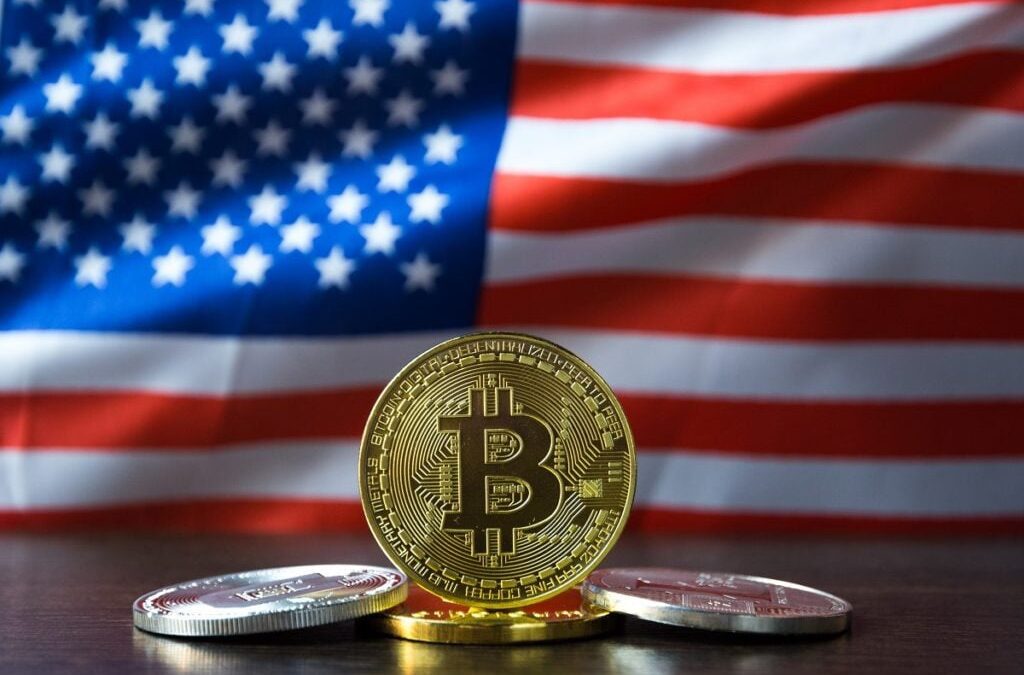
Will Donald Trump Vs. Kamala Harris’ candidacy in the 2024 US election have a positive impact on the crypto ecosystem? Read the full explanation in this article.
The United States presidential election has become a highlight among the crypto community. The reason is, that the United States is a region that often focuses on crypto regulations.
Therefore, the crypto community hopes that Donald Trump vs. Kamala Harris can get a detailed explanation of their plans for crypto regulation when they are elected.
Kamala Harris is considered to be more open to crypto if elected than her boss, Joe Biden. However, Kamala Harris remains behind Donald Trump, who from the start has paid full attention to the crypto ecosystem, even outspokenly wanting America to become a center for Bitcoin mining.
Donald Trump and His Interactions in the Crypto Ecosystem
Donald Trump is already “more experienced” in the crypto ecosystem than his opponent, Kamala Harris. Since his confirmation that he will be a presidential candidate in the 2024 US Election, he has been welcomed by the crypto community. Memes about him appeared to attract attention.
In his campaigns in various regions, Trump also loudly called for supporting cryptocurrencies and relaxing regulations. Last July, Donald Trump even promised to fire Gary Gensler, who is currently the head of the SEC. It is common knowledge that the SEC is often an obstacle to the development of the crypto ecosystem in America.
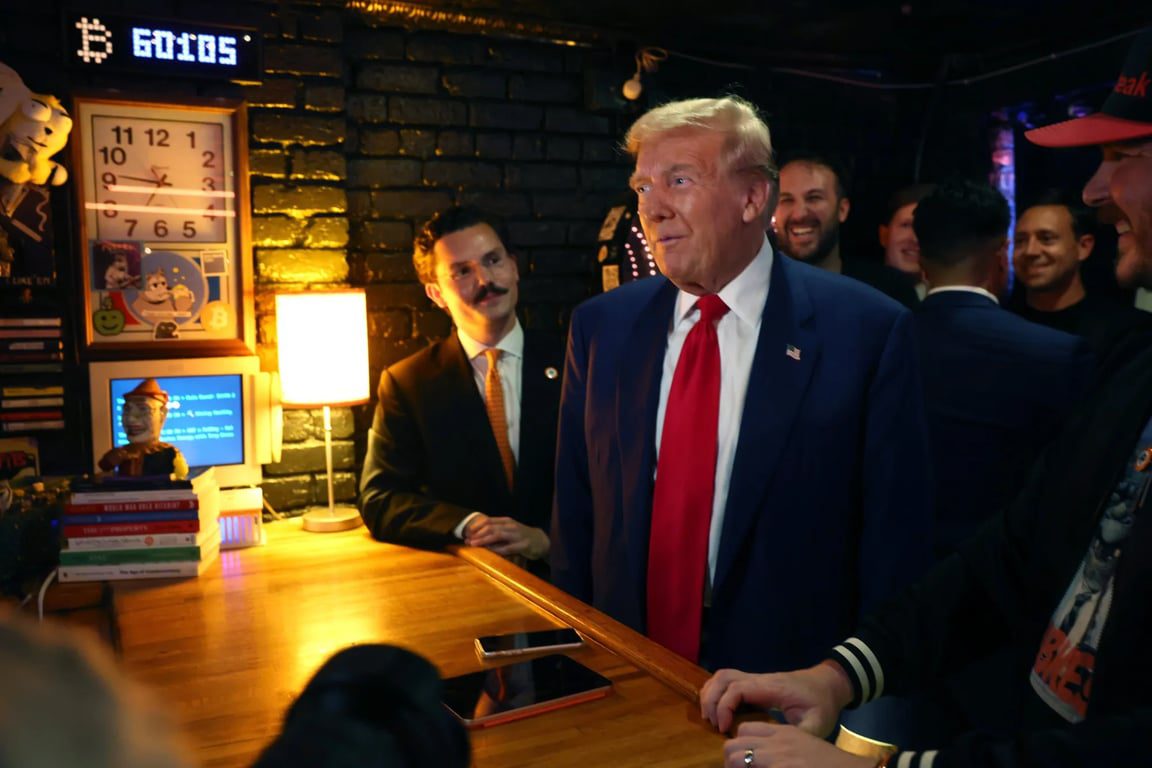
Increasingly gaining support from the crypto community, Trump is also increasingly strengthening his position to support the progress of cryptocurrency by becoming a figure who does it The first transaction is on a bar called PubKey. This transaction was carried out in mid-September and received a positive reaction from crypto circles.
Recently, Donald Trump also stole the attention of the crypto ecosystem by launching a platform called World Liberty Financial or WLFI. WLFI is a crypto platform that offers various financial activities, including lending, investment, and digital transactions.
Before its launch, WLFI even received more than 100,000 registrations and this fact is of course good news for Donald Trump in his candidacy in the 2024 US Election.
Kamala Harris and the Crypto Regulatory Framework
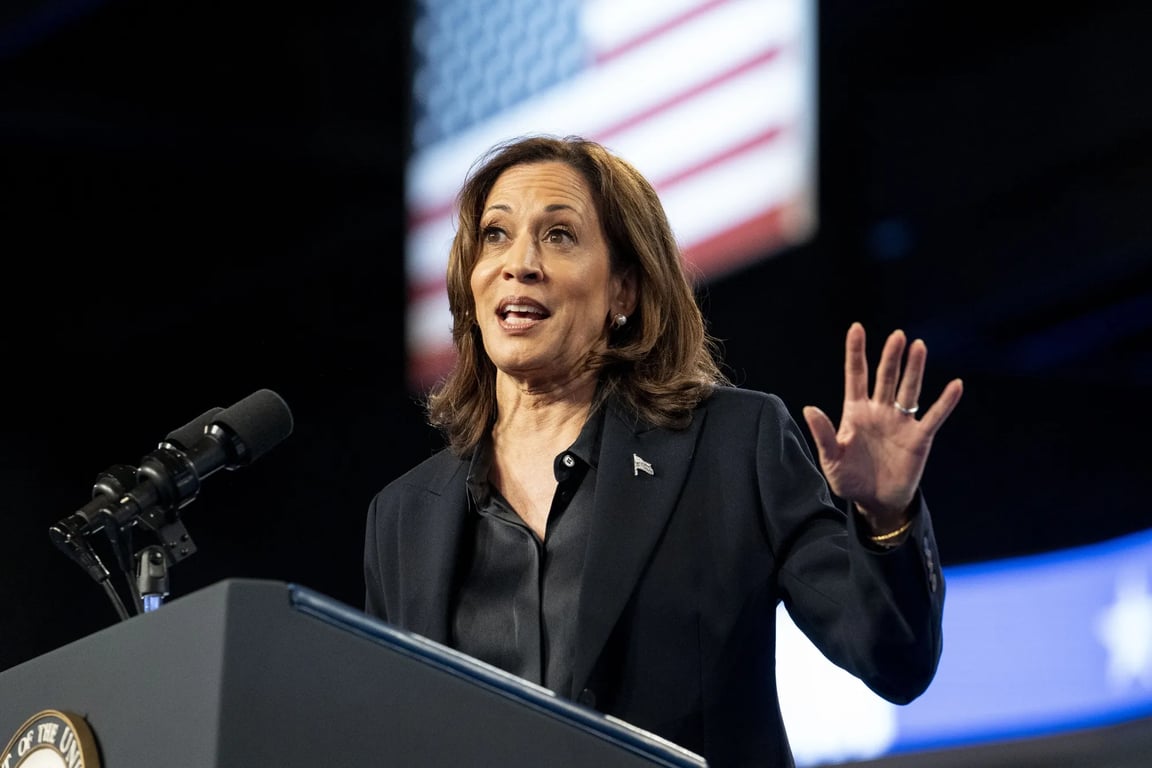
Not wanting to be left behind by Donald Trump, Kamala Harris also tried to attract the sympathy of the crypto community by stating that she also supports crypto. In her campaign in Erie, Pa., Kamala Harris outlined a big agenda in which she discussed Harris’ substantive policies on cryptocurrencies.
There is a crypto regulatory framework there. However, Harris did not explain in detail how he would create the regulatory framework.
There is no mention of Bitcoin, blockchain, or other digital assets in the regulations proposed for the crypto ecosystem. Due to this, the crypto community feels disappointed with Kamala Harris.
Conclusion: Trump Vs. Harris, Will Crypto Get the Benefit in the End?
No matter how sweet Donald Trump’s promises are and how Kamal Harris provides evidence of his support for crypto, the crypto community must remain careful about the existing political system. Every crypto observer must provide neutral criticism and suggestions without leaning towards either candidate to the extreme.
Policy in America will always be the basis for how crypto tokens are traded so that the results of the US election will determine future crypto developments.
You can do comprehensive analysis and research when you want to buy a coin. Know Bitcoin price, Ethereum, XRP, Solana, USDT, and other tokens. Use features on a trusted global exchange website, such as Bitrue, to find out crypto market conditions in real-time.
by | Oct 16, 2024 | Business
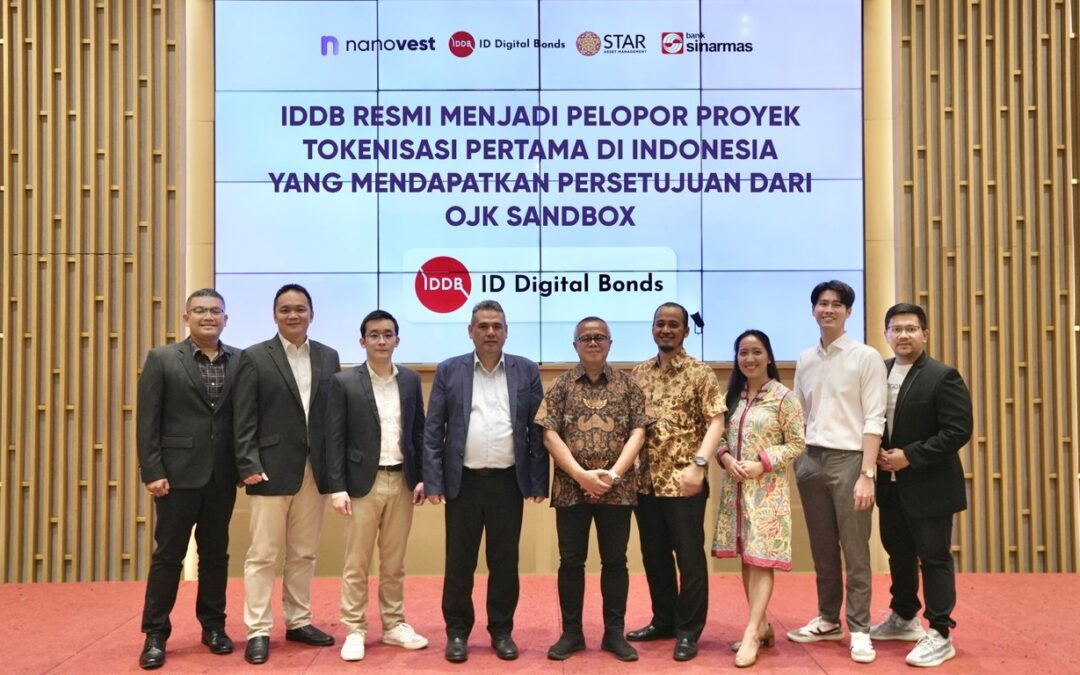
PT Sejahtera Bersama Nano (SBN) has officially made history by becoming the first token issuer in Indonesia to receive approval from the Financial Services Authority (OJK) for a crypto asset tokenization project with underlying government bonds. The ID Digital Bonds (IDDB) issued by SBN have officially become the first government bond tokenization project listed in the OJK Sandbox, based on approval letter No. S-514/IK.01/2024 dated October 8, 2024.
This project is an innovative step to digitize bond instruments using blockchain technology. The tokenization project allows bonds, which typically have a high initial purchase requirement, to be split into crypto assets that can be widely traded through digital platforms. This expands access for both retail and institutional investors to invest in government bonds more easily.
According to a report from Boston Consulting Group (BCG), the market value of tokenized assets, including bonds, is projected to increase significantly in the coming years. The report states that the global real-world asset tokenization market is expected to grow to a total value of over $16 trillion by 2030, encompassing bond, property, and equity tokenization. Tokenization technology broadens access for retail and institutional investors, enhances efficiency and transparency, and reduces asset trading costs.
Gumarus Dharmawan William, Chief Executive Officer of PT Sejahtera Bersama Nano (SBN), stated, “This is a significant step for Indonesia. The OJK has made history as the first financial regulator in Indonesia and even Southeast Asia to allow the implementation of a government bond tokenization project. PT Sejahtera Bersama Nano, through its product, ID Digital Bonds (IDDB), has now officially entered the OJK sandbox and become a pioneer in Indonesia with INDON34 bonds as the underlying asset.”
Previously, the INDON34 bond series denominated in US dollars could only be accessed by investors with a minimum purchase of $200,000 (approximately 3.1 billion Rupiah). With tokenization through IDDB, access to this instrument becomes broader, with a minimum purchase of only $1,000 (approximately 15.5 million rupiah) per token, making IDDB tokens more inclusive for investors from various segments of society.
“The tokenization innovation we present with IDDB is a strategic step to bring change to the bond market in Indonesia. We are proud to collaborate in creating this product, which is expected to increase capital inflow into the country and support Indonesia’s economic growth,” said Billy Surya Jaya, President Director of Nanovest.
Over the next 12 months, IDDB will undergo a testing phase in the OJK Sandbox before receiving full regulation. This project is the result of collaboration between SBN as the token issuer, Nanovest as an Indonesian crypto exchange with a current license as a prospective physical crypto asset trader (CPFAK), STAR Asset Management as the investment manager partner, and Bank Sinarmas as the custodian.
Hanif Mantiq, Director of Star Asset Management, acting as the investment manager partner in this project, said, “This tokenization innovation proves that crypto and government bonds can harmoniously synergize, offering safer and more affordable investment options. Crypto investors now have the opportunity to invest in government bonds with the same ease as when they invest in crypto assets. This emphasizes that although crypto investment is becoming more popular, government bonds remain relevant and attractive to young investors.”
This tokenization project not only aims to modernize Indonesia’s capital market but also seeks to increase financial inclusion, opening opportunities for more investors, both domestic and international, to participate in financial instruments in Indonesia. For more information about ID Digital Bonds and the development of this project, visit https://www.iddb.finance/id.
by | Oct 16, 2024 | Business
“Small businesses are doing their part in decreasing reliance on single-use plastics, and are proving that it is possible,” said Marian Ledesma, Zero Waste Campaigner for Greenpeace Philippines. “There’s no excuse for major corporations not to follow suit.”
QUEZON CITY, Philippines — Micro, Small and Medium Enterprises (MSMEs) may seem miniscule, but a growing number of them are determined to show larger companies that greening the manufacturing and retail sector should be everyone’s business.
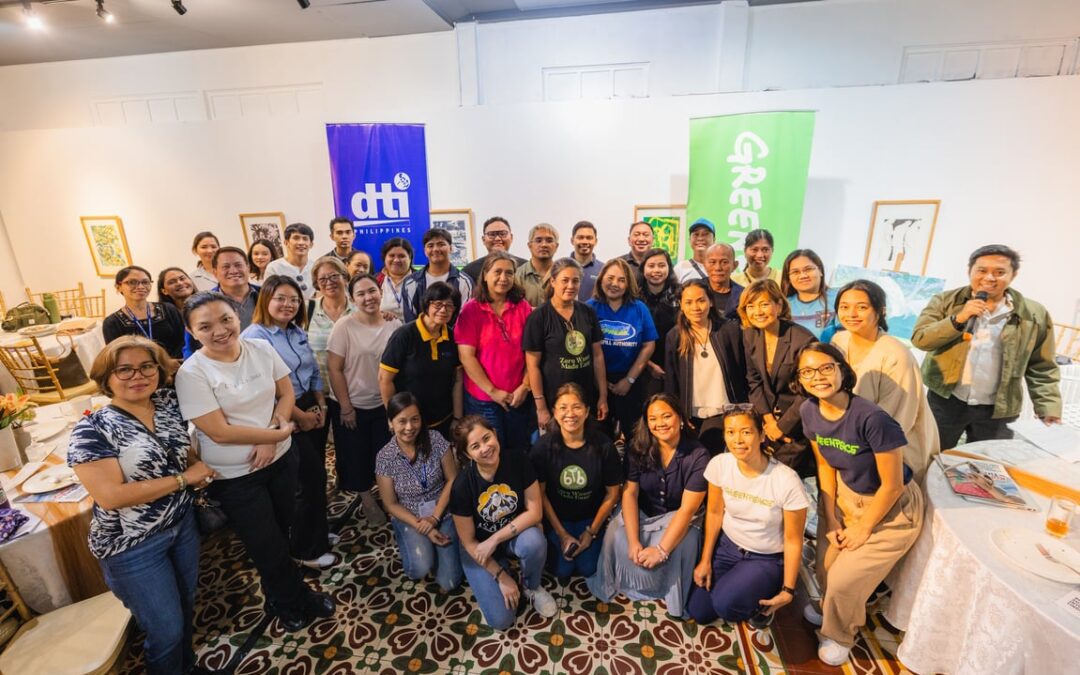
In an event titled “Reduce, Reuse, Refill: 3Rs to End Plastic Pollution,” environmental advocates, the Department of Trade and Industry (DTI) and progressive business groups enjoined other MSMEs to reduce their production and consumption of single-use plastics (SUPs) and adopt more sustainable practices. Said initiative aims to build the capacity of MSMEs to lead the shift toward environmentally responsible business operations.
This brought MSMEs to the Las Piñas-Parañaque Wetland Park (LPPWP) for a field immersion and discussion on Tuesday. The LPPWP, which is home to over 41 migratory bird species and the threatened and endemic Philippine duck,[1] faces severe threats from plastic pollution. The activity sought to raise awareness among local businesses about the destructive impact of SUPs on ecosystems and communities.

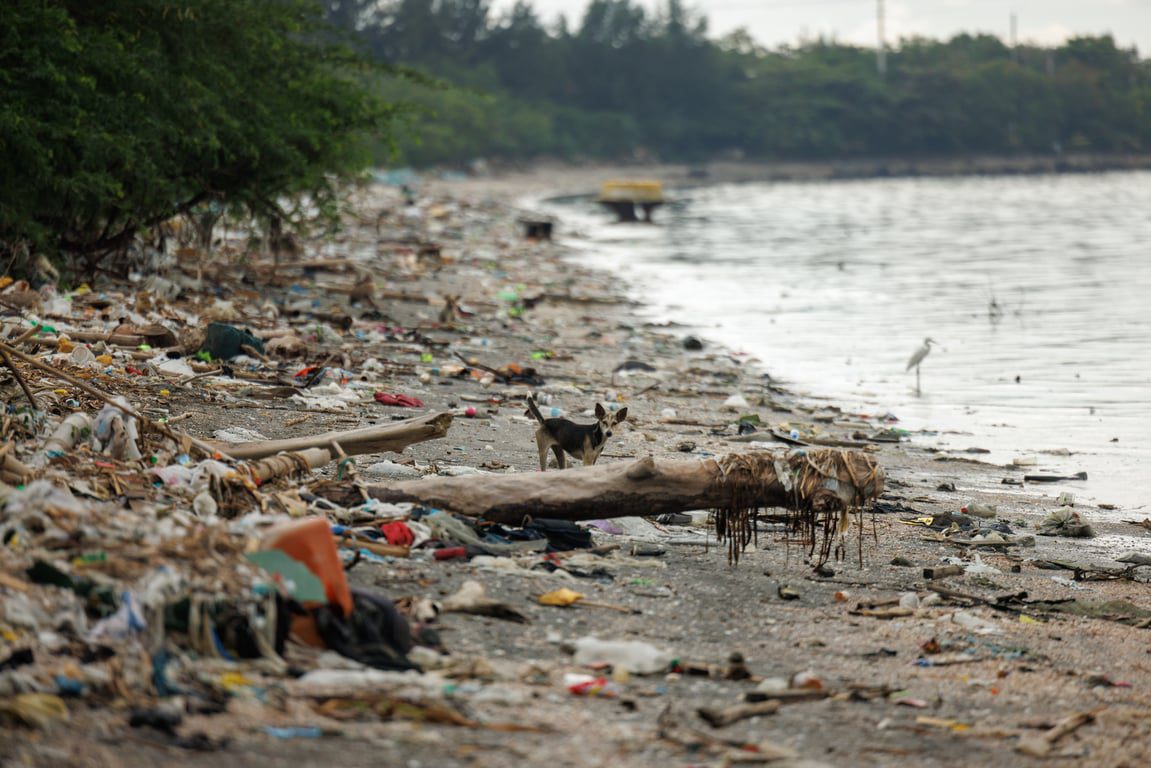
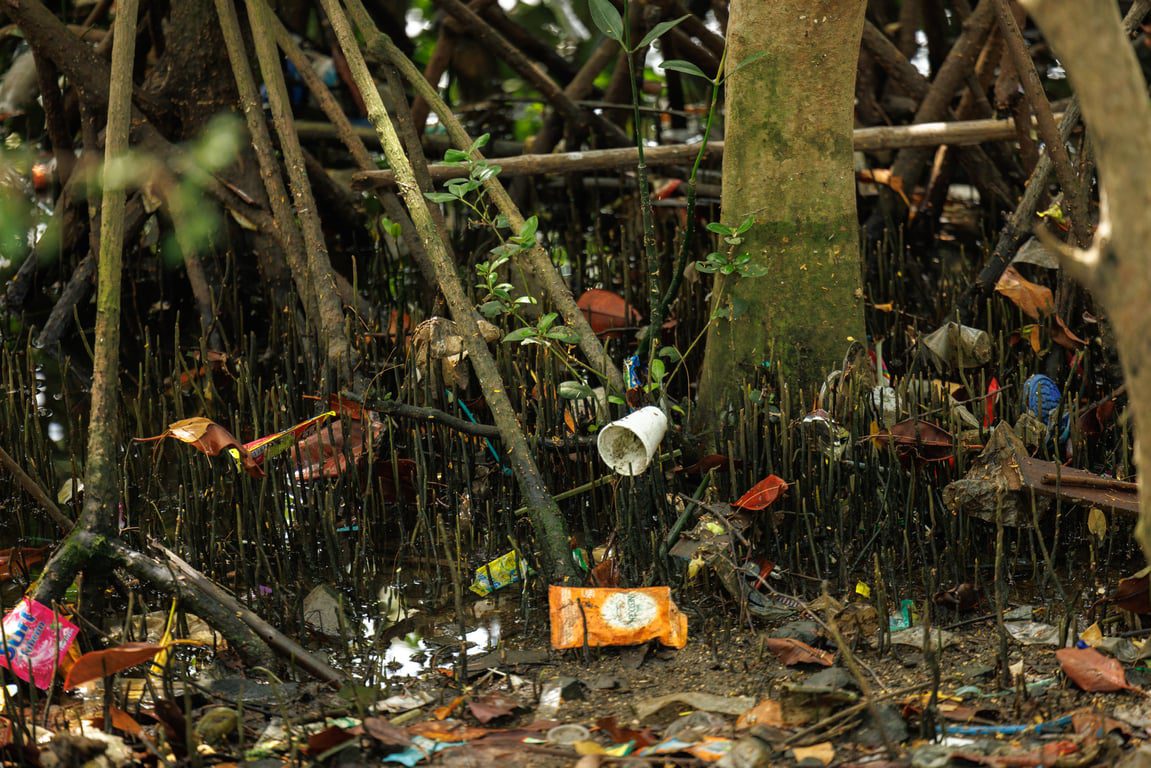
“Small businesses are doing their part in decreasing reliance on single-use plastics, and are proving that it is possible,” said Marian Ledesma, Zero Waste Campaigner for Greenpeace Philippines. “There’s no excuse for major corporations not to follow suit.”
MSMEs comprise 99.59% of all business establishments in the Philippines.[2] According to Ledesma, the potential behind their considerable numbers play a pivotal role in sparking changes in the industry. “This includes transitioning prevailing business models away from SUPs and influencing consumers in their respective communities,” she continued.
Participants in the event included fisherfolk, community members, and waste workers who shared firsthand experiences of how plastic pollution affects food security, environment and livelihood. Over 164 million plastic sachets and 57 million shopping bags are discarded every day[3] in the Philippines and much of which are not recycled.[4] Instead, they end up in landfills or waterways, contributing to pollution and the climate crisis.“Sinisira [ng mga plastic] ang aming mga gamit pangingisda at itinataboy ang mga isda sa malayo. Dagdag perwisyo sa panggastos sa gasolina. Natatabunan at pinapatay [nito] ang mga bahay itlugan, bahura, bakawanan, at mga halamang dagat,” shared PANGISDA Pilipinas Chair Pablo “Ka Pabs” Rosales.
“Nanawagan kami sa ating makakalikasang mga negosyante, na pangunahan ang pag-iwas sa… single-use plastic na siyang pinakamarami sa karagatan at kalat sa kapaligiran. Suportahan ang pagsisikap ng mangingisda na linisin ang baybayin at karagatan para sa pagpapanumbalik ng kasaganaan at luntiang kapaligiran.”

Upstream solutions such as reduction, reuse and refill are aligned with the DTI’s Green Economic Development program. These approaches aim to enhance MSME competitiveness by helping businesses adopt climate-smart, environmental-friendly, and inclusive strategies.
“Sustainability is our only option for a better tomorrow; it is a crucial aspect of business resilience and long-term success,” said DTI-National Capital Region OIC-Regional Director Winston T. Singun. “There are no businesses to speak of in an inhospitable future, plagued with various environmental crises. MSMEs have the power to make a positive impact not only in our economy, but also our planet.”
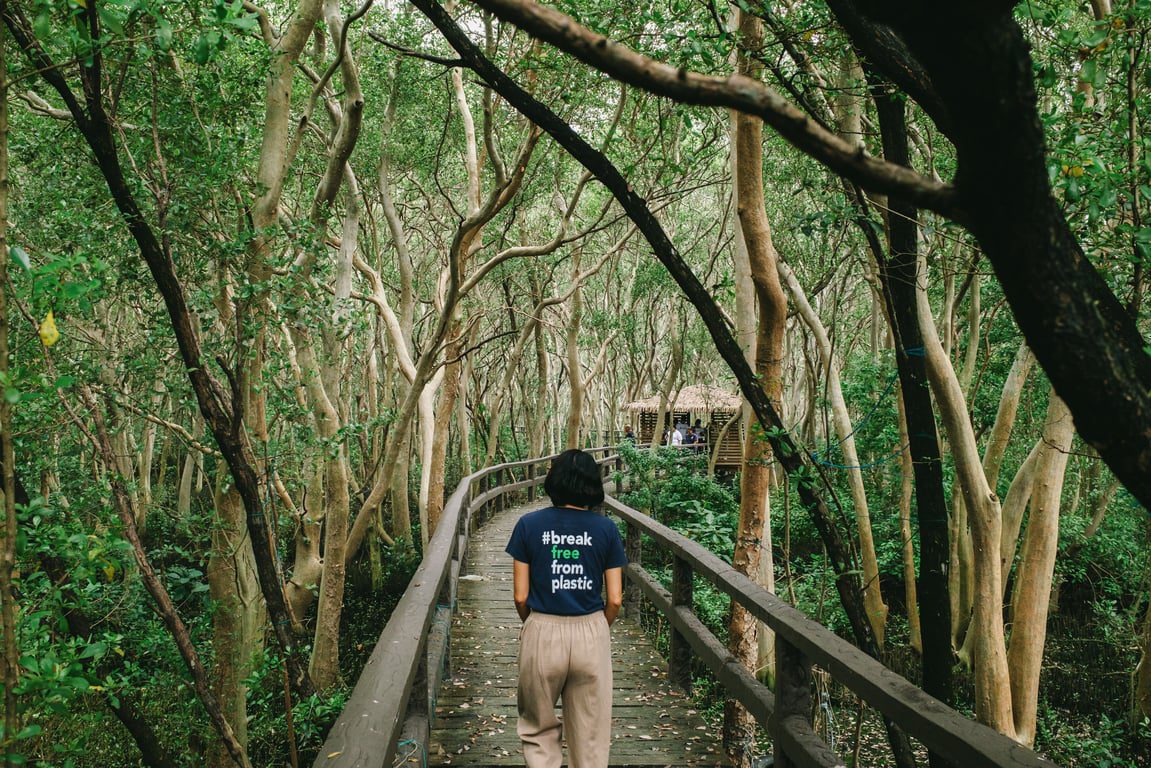
Following the nature walk were sustainability discussions in Talyer 15 at the Henry Hotel Compound for discussions led by business owners championing sustainable plastic reduction efforts. The session featured entrepreneurs and communities who have successfully employed viable, practical, and innovative alternatives to plastic use, paving the way for a just zero waste transition.
Leading the charge in the “Greening Your Business” discussions are speakers from Back to Basics Ecostore, Newport World Resorts, San Juan Resort Restaurant and Hotel Association (La Union) and Rizza Lana Sebastian. The panelists shared their expertise on how to “green” the supply chain, how to reduce plastics in tourism, and how to practice sustainable communications. Reuse and refill solutions such as those applied by Kuha sa Tingi[5] (Greenpeace Philippines), JuanaZero[6] (Mother Earth Foundation), Sabon Express, and Good Food Community were also tackled to mitigate the crisis.





Greenpeace Philippines is optimistic that more MSMEs take part in interventions that address plastic pollution at the source. A number of attendees have expressed their willingness to break free from plastic and be a part of community-driven solutions that help create a zero-waste system.
The field immersion and sustainability discussion is an initiative under Champions of Change, a growing global collective of forward-thinking businesses committed to transitioning towards a plastic-free future.
Notes to editors:
[1] LPPWP as 6th Ramsar Site in the Philippines
[2] 2022 Philippine MSME Statistics in Brief
[3] Sachet Economy: Big Problems in Small Packets
[4] Production, use, and fate of all plastics ever made
[5] REUSE AND REFILL for a Plastic-Free Future
[6] JUANAZERO: A Zero Waste store of Mother Earth Foundation
Please credit the photos to: Jilson Tiu / Greenpeace
Here’s what the Champions of Change have to say:
“With plastic pollution, there’s the obvious issue that it can harm certain marine animals, especially turtles. There have been a lot of studies showing that plastics, especially when they break down into microplastics, can actually threaten coral populations. I think that’s why it’s really important for us to fight against plastic pollution because they affect the entire marine ecosystem.” — Denise Sze, Marketing Executive of Magwai
“From the mountains of plastic in our cities to the microplastics that are now everywhere, we are causing serious health consequences from chemicals that leach into our waterways. Committing to a plastic-free future is a really important thing. We just need to make that decision on what kind of infrastructure and what kind of culture we need to support this commitment. These are really exciting ways of working with the community so that we can make this happen.” — Charlene Tan, Founder & CEO of Good Food Community
“Lagi lang po natin isipin na isa lang naman talaga ang mundo. Hindi tayo pwede magkaroon ng satellite earth or another earth. And ‘yung mga plastic na basura na itinatapon natin in this lifetime, it would take 400 to 500 years to decompose. So, siguro po yung isapuso lang po natin at isaisip yung katotohanan na yan. Siguro ‘yun po ‘yung magda-drive sa ating lahat [para ilaban ang pagbabago].” — Mellany Zambrano, Founder & CEO of Sabon Express
“So with this Global [Plastics] Treaty, what is more exciting about it is the fact that it’s looking at the end-to-end supply chain for plastic. It’s not just looking at waste management… It’s looking at the producers… They’re looking not just to penalize the end, but reduce the demand. From the treaty, I want to see more responsibility going back on those companies that are producing plastic bottles.” — Rob Boreham, Managing Director of Hospitality Innovations by Quorate Inc.





You must be logged in to post a comment.