by | Jan 21, 2025 | Business
Music Australia has announced the recipients of the Record Label Development Scheme, a groundbreaking initiative which aims to support Australian labels actively nurturing and promoting Australian talent.
The $1,732,000 investment will support 23 record labels, varying from local independents to major label Australian subsidiaries, for the creation of new professional recordings, digital content and artwork, marketing and promotional campaigns, production, manufacturing and freight, artist development and staffing.
In addition to supporting labels, the artists featured in the project activities will also receive support through a mandatory non-recoupable 10% artist creation fee. Record labels are also incentivised to manufacture using environmentally sustainable materials, guided by Green Music Australia’s Sound Country: A Green Guide on Physical Music Products.
Director of Music Australia Millie Millgate said:
“This direct investment into Australian record labels will see a minimum of 83 Australian acts benefit, creating a domino effect of support, that reinforces the interconnected nature of the contemporary music ecosystem. The role record labels play in developing their artists is significant and we need to safeguard them at a time when breaking Australian artists has never been harder.”
The Record Label Development Scheme will ensure Australian labels of all sizes, and with different genre focusses, can continue to compete effectively, support their artists, and contribute intrinsic value to a vibrant Australian music landscape.
The awarded labels include:
- Anti Fade Records
2. Bad Apples Music
3. BMG Australia
4. Butter Sessions
5. Cheersquad Records
6. Chugg Music
7. College of Knowledge Records
8. Civilians
9. Efficient Space
10. etcetc
11. Farmer & The Owl
12. Forever Ever Records
13. Future Classic
14. Good Manners Records
15. I OH YOU
16. Medium Rare Recordings
17. Mushroom Music
18. NLV Records
19. ONELOVE
20. Pieater
21. Remote Control Records
22. Sing Hum Records
23. Tomboi Records
by | Jan 21, 2025 | Business
ACCAN – Australia’s peak national communications consumer body – has hailed the Federal Government’s strengthening of enforcement powers a major win for telecommunications consumers.
ACCAN’s CEO, Carol Bennett, said the reforms will promote increased accountability, transparency and compliance within the telecommunications industry, and contribute towards improving trust in telcos which has been eroding.
“This announcement by the Australian Government addresses longstanding calls from consumer advocates to improve accountability in the telecommunications sector and we applaud these critical reforms,” she said.
“The government’s announcement to boost the enforcement powers of the ACMA will ensure telcos face real and meaningful penalties if they breach their obligations to Australians. This is a critical step towards ensuring that the telco sector works in the interests of consumers.”
“Granting the ACMA greater and more timely enforcement powers goes a long way towards addressing the persistent limitations of the ACMA’s regulatory toolkit”.
The changes will be part of expanded consumer protections under a suite of reforms to the Telecommunications Act 1997 (Cth).
The changes will mean the regulator, ACMA, will now be able to take direct enforcement action against breaches of industry codes rather than first having to issue a formal direction to comply.
The reforms also provide for significant increases to maximum penalties for breaches of industry codes and standards, from $250,000 to $10 million, bringing the telco sector in line with other essential service sectors.
The Australian Government also announced that it will establish a Carriage Service Provider (CSP) registration scheme to increase the visibility of providers in the telecommunications market. A CSP registration scheme will support a telecommunications market that works efficiently for all participants and provide much needed oversight of the market by the ACMA.

by | Jan 20, 2025 | Business
Becoming a paid motivational speaker involves a mix of personal branding, expertise, networking, and public speaking skills. (This) can seem overwhelming at first. However, if you break it down into steps, it becomes easier to understand. First, you need to establish your brand, which is essential—because it helps you stand out. Next, develop your expertise in a specific area. Although this takes time and effort, it’s necessary for credibility.
Networking is also important: it connects you with potential clients and other speakers. Public speaking skills are crucial, too. You must learn to engage an audience, (but) practice makes perfect. In conclusion, with dedication and the right approach, you can successfully embark on this exciting journey!
1. Identify Your Niche
Define Your Message: Figure out what you care about (and) the value you can bring. Some common topics are personal development, leadership, overcoming adversity, or insights specific to your industry. Know Your Audience: Choose who you wish to inspire—students, professionals, entrepreneurs, or a certain demographic. However, understanding your audience is crucial because it shapes your message. This helps you connect better, although it may take time to find the right approach.
2. Develop Your Expertise
Share Personal Stories (1): Highlight unique experiences or challenges you’ve overcome to connect with audiences. Build Credibility (2): Gain certifications, write articles, or create content that establishes you as a thought leader in your niche. However, this can take time. Although it might seem difficult at first, your efforts will pay off. Because of this, many people find that sharing their journey not only helps others but also boosts their own confidence.
3. Hone Your Speaking Skills
Practice Public Speaking: You can join organizations such as Toastmasters International (which is quite popular) or take public speaking courses. Record Yourself: It’s helpful to watch your videos (because you can see) areas that need improvement in tone, body language, and delivery. Seek Feedback: Asking mentors, peers, or professionals to critique your performance is important. However, remember that feedback can be hard to hear, but it is necessary for growth. Although it might feel uncomfortable, this process will help you become a better speaker.
4. Create a Strong Personal Brand
Building an Online Presence is important: creating a professional website with your bio, speaking topics, testimonials, and contact details. Leverage Social Media (this can be very helpful): share inspirational posts, videos, and even behind-the-scenes content to connect with a broader audience. Crafting a Speaker Reel is also necessary: compile a video showcasing your best speaking moments to demonstrate your skills. However, remember that it takes time to establish yourself online. Although challenging, the effort will pay off because a strong presence can open many doors.
5. Start Speaking for Free
Volunteering (at local events, schools, or community organizations) is a great way to gain experience. You can also network: attending conferences allows you to meet event organizers who might hire you in the future. Collecting testimonials is important, however, it’s essential to ask attendees and organizers for feedback and endorsements. This helps build your credibility. Although it takes time, these efforts can really pay off.
6. Market Yourself
Creating a Speaker Profile is important. You should highlight your expertise (what you know best), previous engagements, and what makes you unique. Joining Speaker Platforms is a good idea too: websites like SpeakerHub, eSpeakers, or GigSalad are places where event organizers search for speakers. However, using Social Proof can help your chances. Showcase client testimonials, photos, or videos from your speaking engagements. This can make a big difference, although it’s not the only way to stand out. Because of this, you should consider all these factors when building your profile.
7. Set Your Fee
Understanding industry rates is important (especially for speakers) because it helps you know the market value in your niche and experience level. You should also offer flexible packages; this means providing options for workshops, keynote speeches, or breakout sessions. However, doing this can help you appeal to different clients. Although it may take time to figure out the best offerings, it’s worth the effort.
8. Build Relationships with Event Organizers
Pitch Yourself: You should send personalized emails to event organizers (this shows your interest), explaining how you can bring value to their events. Attend Industry Events: It’s important to network with conference planners, HR managers, and other decision-makers who hire speakers. However, make sure you’re prepared to discuss your unique skills. Although it can be intimidating, these connections are valuable because they can lead to opportunities in the future.
9. Expand Your Reach
Creating a Book or E-Book (this can be a great way) to share your insights helps establish you as an authority. You could also start a Podcast or YouTube Channel, where you regularly share motivational content. This will help you grow your audience. However, collaborating with other speakers or influencers is essential because it increases your visibility. Although it may seem challenging, the benefits are worth it.
10. Stay Committed
Stay Updated: Always work on improving your skills (this is important) and adapt to new trends in public speaking. Persevere: It takes time (and effort) to build a reputation and a client base. Therefore, you should remain patient and consistent. However, some might find it challenging. Although it can be tough, staying committed pays off in the long run.
by | Jan 20, 2025 | Business
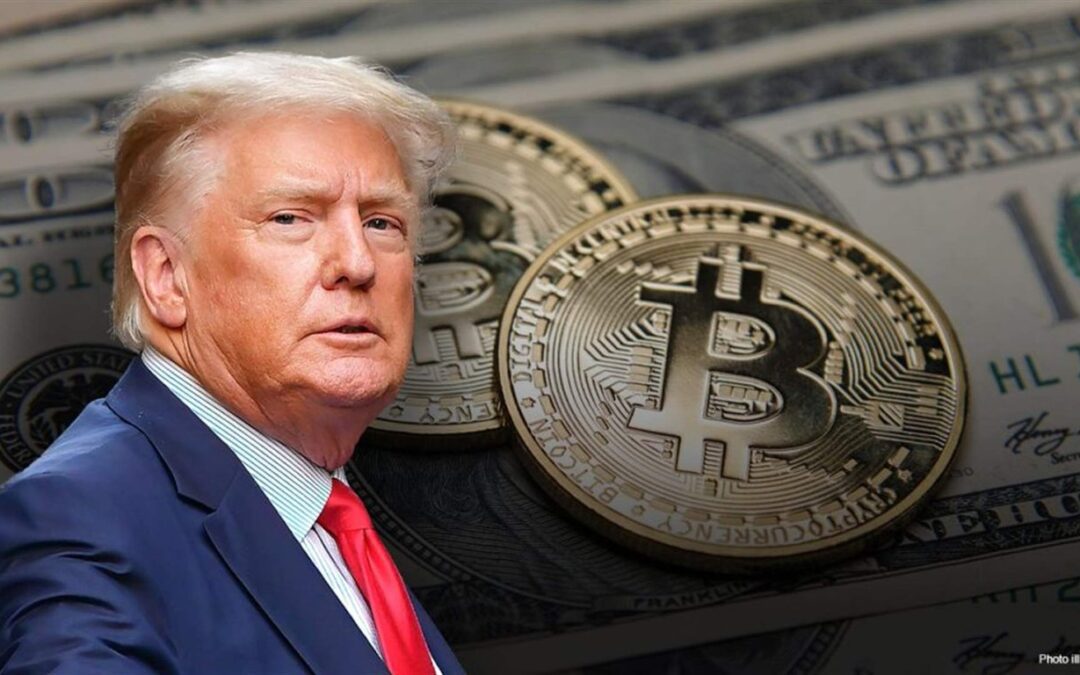
Discover how Donald Trump’s return to the presidency fueled a cryptocurrency boom. Analyze the ‘Trump Bump,’ policy changes, and their impact on Bitcoin, altcoins, and the broader crypto market.
Donald Trump’s return to the White House has ignited a surge of volatility and optimism in financial markets, with cryptocurrencies emerging as a major beneficiary.
After a history of skepticism toward digital currencies, Trump’s embrace of the crypto industry during his 2024 presidential campaign has reshaped expectations and driven market activity to unprecedented levels.
The “Trump Bump” in Crypto Markets
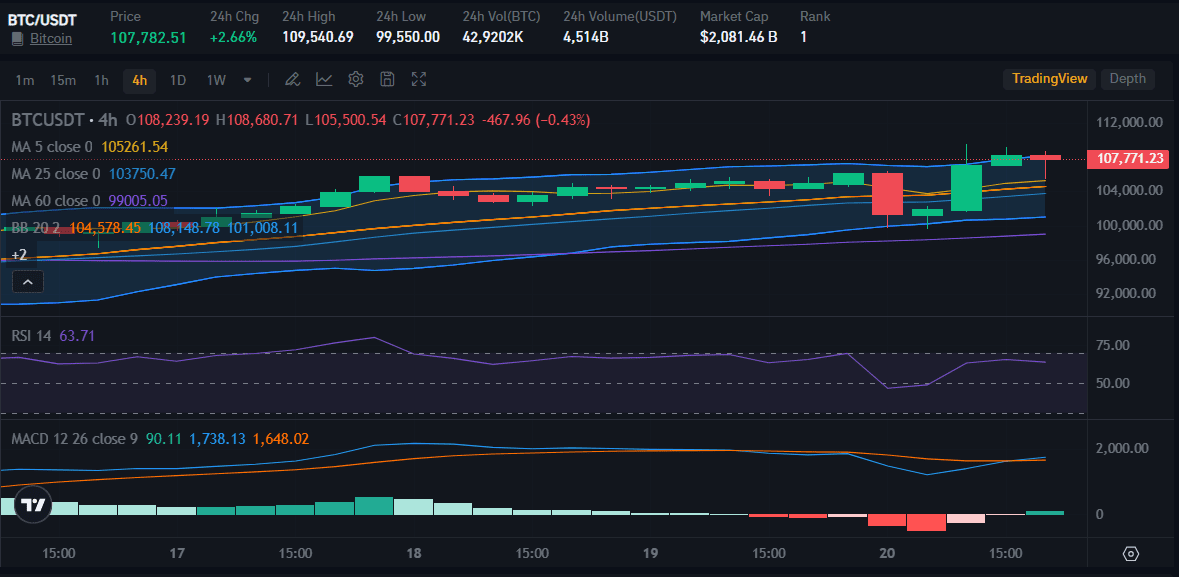
Following Trump’s re-election, Bitcoin soared past $100,000 for the first time, peaking at $107,782 in early 2025. Other cryptocurrencies and crypto-related companies also experienced substantial gains, reflecting heightened optimism surrounding a pro-crypto administration.
Analysts have pointed to Trump’s campaign promises and policy shifts as catalysts for this rally. Notably, Trump pledged to make the U.S. “the crypto capital of the planet” and proposed creating a Strategic Bitcoin Reserve akin to the nation’s gold stockpile.
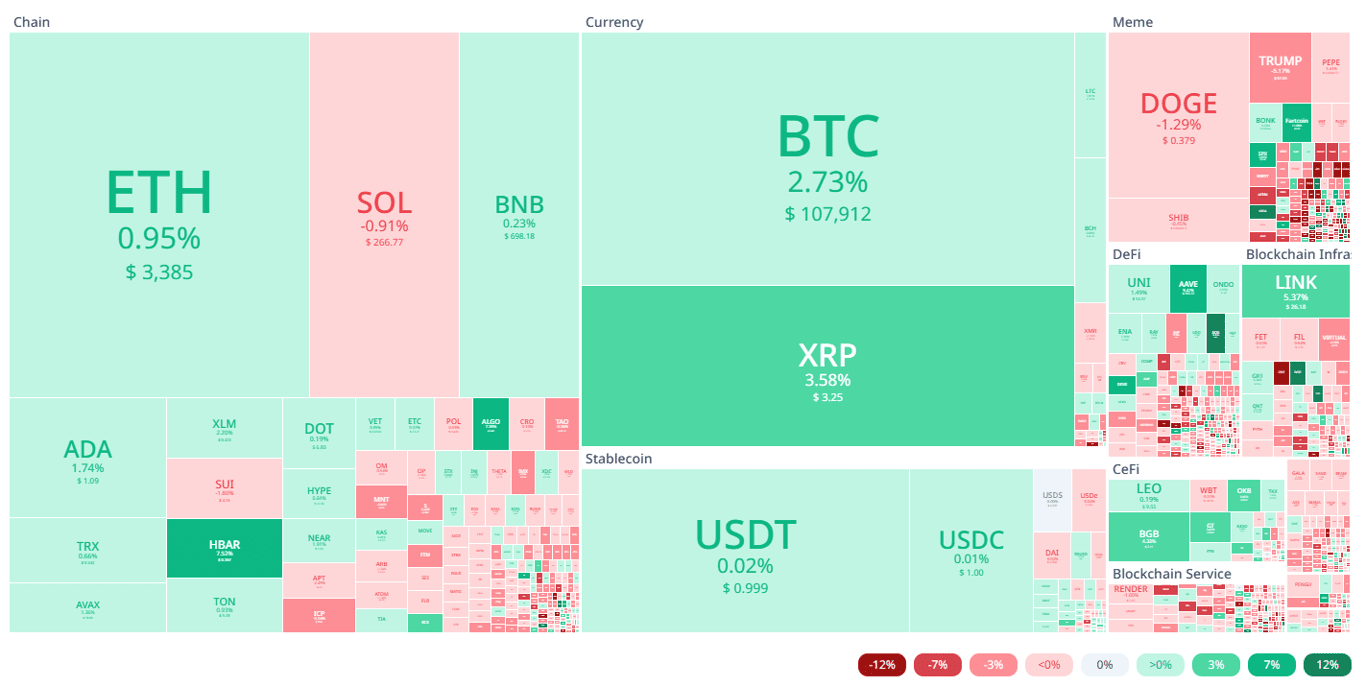
The broader crypto market, including altcoins, saw increased trading volumes and valuations.
Notable altcoins such as Litecoin surged by 30% in just two days, and meme coins like Trump’s own $TRUMP token skyrocketed in value, reaching a market capitalization of nearly $11 billion.
Meanwhile, the overall cryptocurrency market capitalization climbed to a record $3.72 trillion.
Key Policy Proposals and Their Implications
Trump’s vision for a crypto-friendly U.S. includes:
1. Strategic Bitcoin Reserve: A controversial proposal to use taxpayer funds for purchasing and stockpiling Bitcoin. Critics have raised concerns about Bitcoin’s volatility and lack of intrinsic value, questioning the long-term wisdom of such a move.
2. Regulatory Reforms: The nomination of crypto advocates to head the Securities and Exchange Commission (SEC) and the Treasury signals potential deregulation. By providing clarity and reducing regulatory barriers, these reforms could bolster investor confidence and facilitate the growth of the crypto sector.
3. Government-Endorsed Crypto Projects: Trump’s creation of the crypto platform World Liberty Financial and his family’s launch of meme coins underscore his commitment to integrating digital assets into the economy. These initiatives also highlight the intersection of Trump’s political and financial interests.
Challenges and Sustainability Concerns
Despite the initial euphoria, the sustainability of the crypto rally remains uncertain. Several factors could temper the market’s enthusiasm:
1. Volatility and Momentum Risks: The post-election “Trump bump” may fade as market momentum wanes. Bitcoin dominance, a key metric, hovers near critical levels, suggesting a fragile balance.
2. Energy and Environmental Concerns: Cryptocurrency mining’s high energy consumption and environmental impact continue to draw criticism. Competing technologies, such as artificial intelligence, are seen as more deserving of limited energy resources.
3. Regulatory Uncertainty: While Trump’s administration may pursue deregulation, the broader crypto landscape still faces legal and classification challenges. Altcoins, in particular, require clearer definitions to attract institutional investment.
4. Speculation vs. Practical Use: Cryptocurrencies remain predominantly speculative, with limited real-world utility. This fuels skepticism about their long-term viability as investment assets.
Altcoins and the Promise of Broader Adoption
Altcoins, or cryptocurrencies with smaller market capitalizations than Bitcoin, stand to benefit significantly from a pro-crypto regulatory environment.
These assets have historically faced greater scrutiny and regulatory hurdles, deterring institutional investors. Trump’s administration could pave the way for greater adoption by:
- Providing regulatory clarity and reducing barriers for altcoin projects.
- Supporting the development of exchange-traded funds (ETFs) for altcoins, enhancing accessibility for retail and institutional investors.
- Promoting innovation in decentralized finance (DeFi) and blockchain technologies.
However, investors are cautioned to exercise due diligence, as altcoins’ credibility, utility, and volatility vary widely.
The Intersection of Politics and Cryptocurrency
Trump’s pivot toward cryptocurrencies marks a significant departure from his earlier stance, when he criticized Bitcoin as a “scam against the dollar.”
His transformation into a champion of digital currencies reflects a calculated alignment with a rapidly growing industry and its influential supporters.
The launch of Trump-branded cryptocurrencies, including $TRUMP and Melania Trump’s $MELANIA, underscores the blending of political influence and financial innovation.
Conclusion
Donald Trump’s presidency has positioned the cryptocurrency industry at the forefront of U.S. economic policy. While the initial market reaction has been overwhelmingly positive, the long-term impact of his policies remains uncertain.
The success of his ambitious vision depends on balancing innovation with sustainability, regulation with freedom, and speculation with tangible utility.
As the crypto market continues to evolve, its trajectory under Trump’s leadership will be a defining story for years to come.
by | Jan 20, 2025 | Business
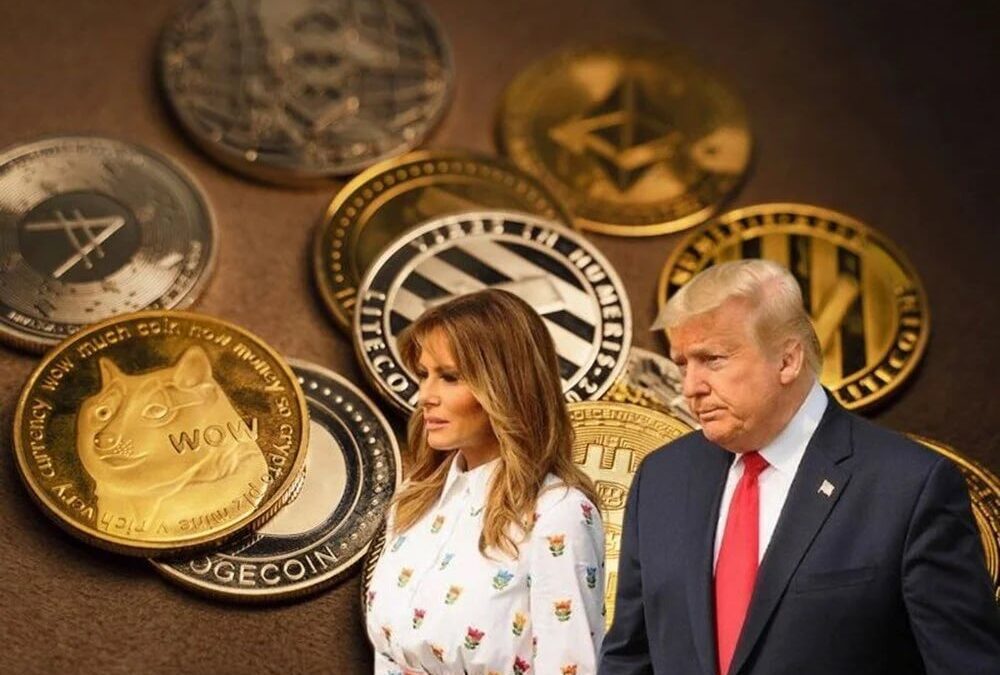
Discover the Trump family’s bold entry into the cryptocurrency world with the launch of $TRUMP and $MELANIA memecoins. Explore their market impact, controversies, and implications for the intersection of politics and digital assets in this captivating tale of blockchain innovation.
The cryptocurrency market witnessed a seismic shift this weekend as the Trump family entered the memecoin arena, igniting intrigue and controversy. With the simultaneous launches of the $TRUMP and $MELANIA tokens, the digital asset world is abuzz with speculation about their implications for the market and the political landscape.
A Tale of Two Coins
On the eve of Trump’s inauguration as the 47th President of the United States, Donald Trump unveiled the $TRUMP cryptocurrency. Just days later, his wife, incoming First Lady Melania Trump, introduced her own memecoin, $MELANIA.
Both coins were launched on the Solana blockchain, reflecting the Trump family’s embrace of blockchain innovation.
$TRUMP: A Dominant Debut
Launched with great fanfare, $TRUMP rapidly gained traction, achieving a peak market capitalization of $14 billion within hours of its debut. Promoted as “the only official Trump meme,” the coin’s value soared to $75 per token before succumbing to volatility.
Critics, however, accused Trump of leveraging his political capital for personal gain, with 80% of the tokens reportedly held by entities affiliated with the Trump Organization.
The introduction of $TRUMP came with promises of a crypto-friendly administration. Trump’s campaign had signaled support for digital assets, including the creation of a strategic Bitcoin stockpile and reduced regulatory scrutiny for the crypto industry.
These moves spurred optimism among crypto enthusiasts, driving Bitcoin to an all-time high of $107,000.
$MELANIA: The Rival Emerges
In a surprising turn of events, Melania Trump announced the launch of $MELANIA on social platform X, branding it as a symbol of support and engagement.
The memecoin, priced at just over $5 per token, quickly amassed a market cap exceeding $5 billion, with over 45,000 wallets purchasing it within hours.
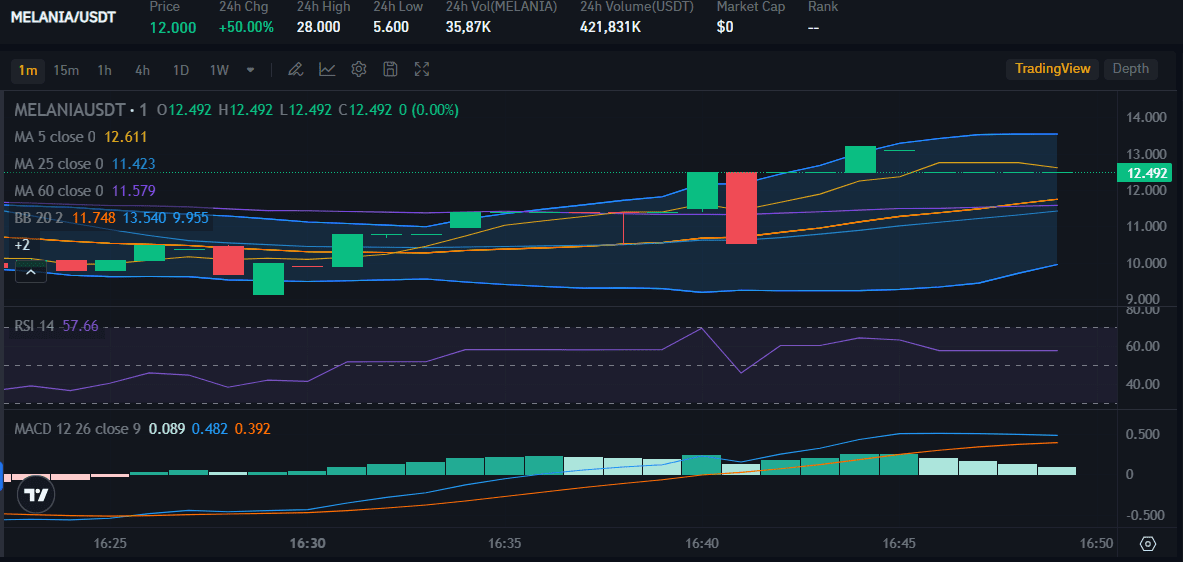
At the time of writing this article on January 20, the price of the $MELANIA token has increased by 50% and is trading at $12.
Despite its rapid rise, $MELANIA faced scrutiny. Blockchain analytics revealed inconsistencies in token distribution, with nearly 90% of the supply initially held in a single wallet.
Critics questioned the project’s organization and long-term viability, though its structured tokenomics—featuring a 13-month vesting schedule—aimed to allay concerns.
Market Impact
The launch of $MELANIA triggered a dramatic sell-off in $TRUMP, which saw its market cap plummet by $7.5 billion, losing 40% of its value in minutes. Analysts described the situation as “beyond insane,” highlighting the extreme volatility of memecoins.
As of now, $TRUMP has partially recovered, trading at $49 with a market cap of $9.8 billion, making it the 22nd most valuable cryptocurrency. Meanwhile, $MELANIA continues to climb, with a current price of $11 and a market cap of $1.79 billion, securing its place among the top 100 cryptocurrencies.
The Broader Implications
The Trump family’s foray into cryptocurrency has captivated the market, underscoring the growing intersection of politics and digital assets. While their memecoins have attracted widespread attention, they also raise questions about the role of high-profile figures in shaping the crypto landscape.
Industry experts are divided on the long-term impact of these tokens. Some view them as a gateway to greater adoption of blockchain technology, while others warn of potential risks, including market manipulation and investor losses.
Conclusion
The $TRUMP and $MELANIA tokens represent more than just financial assets—they are symbols of the Trump family’s influence and the unpredictable nature of the crypto market.
As the world watches this unfolding drama, one thing is certain: in the world of memecoins, anything is possible.
Whether these tokens will endure or fade into obscurity remains to be seen, but for now, they stand as a testament to the volatility and allure of the cryptocurrency revolution.








You must be logged in to post a comment.