
by Ferry Bayu | Aug 28, 2024 | Business
This is the second part of the four-part series Empowering Vulnerable Populations through Media and Information Literacy. This article shows how Media and Information Literacy (MIL) protects senior citizens by empowering them to navigate digital information safely and confidently, avoiding misinformation and online scams.
Understanding the Vulnerability of Senior Citizens
Senior citizens often face unique challenges in testing the waters of the digital world. These challenges include:
- Usually, they have limited digital skills. As the saying goes, you can’t teach old dogs new tricks.
- They also face technological barriers and low technological literacy
- Sadly, they suffer from age-related cognitive decline, which can make them more susceptible to misinformation and online scams.
Unfortunately, these threats are real. They can have devastating consequences, from financial loss to compromised health decisions. For these reasons, even if the challenges mentioned earlier persist, it has to be addressed because, in this modern digital age, no one should be left behind.
MIL: A Key Tool for Protecting Seniors
Media and Information Literacy (MIL) is crucial to prepare seniors with the skills they need to thrive in the digital age. Remember, they need extra help since they may have may be slower in adapting to new technology.
However, adaptation to MIL education could bring out positive results despite their old age. MIL enhances their critical thinking and analytical abilities. This could help them discern credible sources. In addition, this also allows them to distinguish between facts and fiction. Furthermore, It also boosts their confidence in navigating digital platforms, enabling them to stay connected and access essential services.
Do you remember the challenges mentioned earlier? It could all be prevented once our senior citizens are taught how to use technology such as search engines and social media.
Strategies for Enhancing MIL in Seniors
There are actionable steps that could help our senior citizens to sharpen their MIL skills. These recommendations include:
- Fact-Checking: Understand that fake news or misinformation may be a new concept to them. So, it is best to educate them on that matter. To help them verify claims, encourage them to utilize reliable fact-checking websites like Snopes or FactCheck.org to verify information.
- Recognizing Bias: Teach seniors to identify media bias and approach information with a critical eye. They have to understand that media distribution nowadays is democratized. Hence, they are different from the traditional media where there are institutions that check and balance the contents. In these new decentralized platforms, it is hard to determine whether they educate or entertain. Nonetheless, seniors should be taught to question the validity of the content they consume.
- Evaluating Sources: Provide seniors with tools and techniques for assessing the credibility of sources. In this way they could avoid the online scams or any fake news that targets them.
Community Support and Practical Approaches
On one hand, community programs and resources play a crucial role in promoting MIL among seniors. Programs such as workshops, training sessions, and interactive apps can help them develop digital literacy and critical thinking skills.
On the other hand, collaboration with family members and caregivers can also provide additional support and encouragement.
Successful MIL Initiatives for Seniors
Initiatives like the Transitions and Elpida Project and SUM (Seniors United Against Misinformation) have demonstrated the effectiveness of MIL training for seniors. These programs empower seniors to resist misinformation and engage critically with the media.
Conclusion
Media and information literacy not only make our seniors informed about modern trends but also safeguard seniors from online threats. As a result, it enables them to participate fully in the digital world. By prioritizing MIL education for this vulnerable population, we can have a safer, more connected, and more informed community. In other words, the digital space should be as safe and inclusive as possible.
by | Aug 28, 2024 | Business
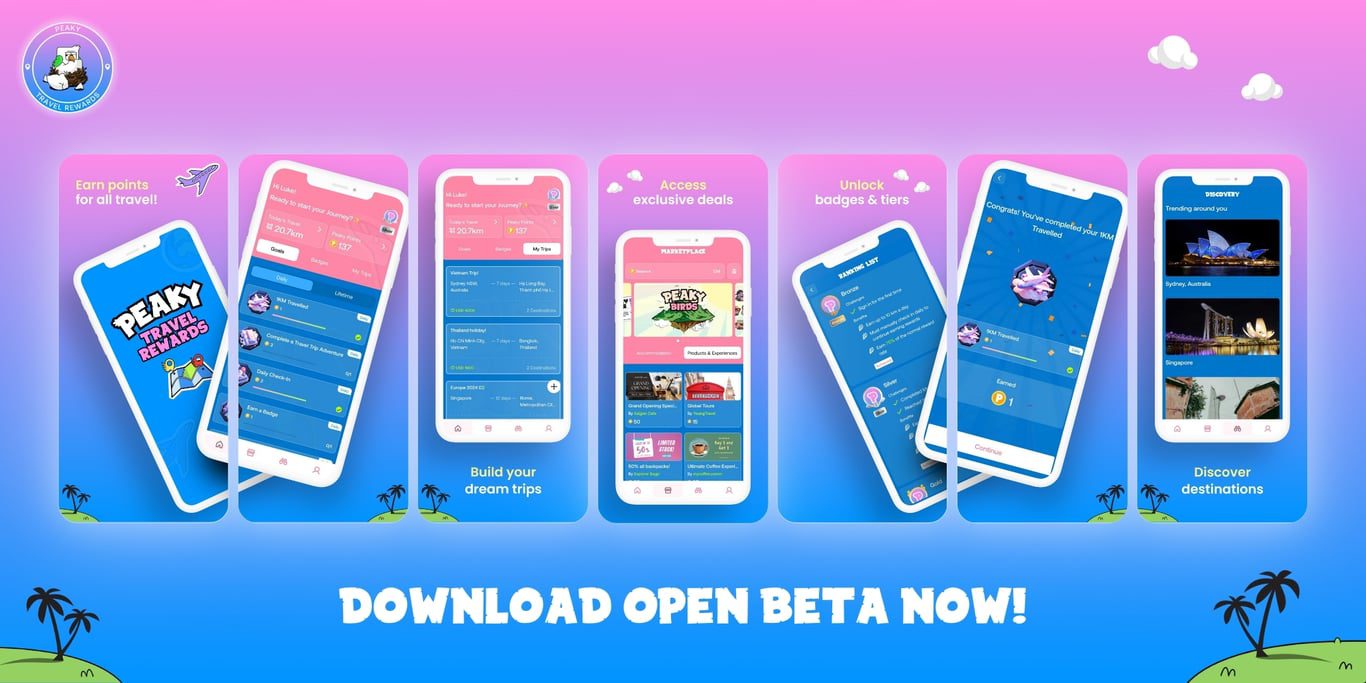
Peaky Travel has launched its Open Beta, offering young Southeast Asian travellers a fun, movement-based rewards app. The app makes earning travel rewards easy and accessible by gamifying daily activities.
Peaky Travel is thrilled to announce the launch of its Open Beta for the Peaky Travel Rewards app, a groundbreaking platform designed to transform how young people in Southeast Asia experience travel rewards. With a focus on accessibility and gamification, the app is set to revolutionise the traditional travel rewards landscape by rewarding users based on their daily movements rather than their spending.
Peaky Travel Rewards is the first app of its kind to offer a movement-based rewards system, making it easier for young people, particularly in dynamic cities like Ho Chi Minh City, to earn rewards just by going about their daily lives. Whether commuting to work, exploring new neighbourhoods, or embarking on weekend getaways, users can accumulate points and unlock exclusive deals from a wide range of partner brands.
“Our goal in building the Peaky app is to make travel loyalty truly accessible to everyone,” said Luke Willars, Founder and CEO of Peaky Travel. “Young people across Southeast Asia are incredibly mobile and connected, and our app is designed to reward them for the way they live and move. This Open Beta launch in Ho Chi Minh City is just the beginning of our mission to empower a new generation of travellers.”
The Open Beta launch marks a significant milestone in Peaky Travel’s journey to becoming a leading travel-tech platform in Southeast Asia. The company has spent the last year developing and refining the app, ensuring it meets the needs and expectations of today’s young, tech-savvy travellers.
Key Features of the Peaky Travel Rewards App:
Movement-Based Rewards: Earn points for every kilometre travelled, regardless of the mode of transport.
Exclusive Deals: Unlock special offers from local and regional brands.
Gamified Experience: Enjoy a fun and engaging way to track your travel and earn rewards.
The Open Beta is now available for download on the Apple App Store and Google Play Store. Young travellers in Ho Chi Minh City and across Southeast Asia are invited to join the Peaky community and start earning rewards today!
For more information, please visit linktr.ee/peakytravel or follow us on social media.
by | Aug 28, 2024 | Business
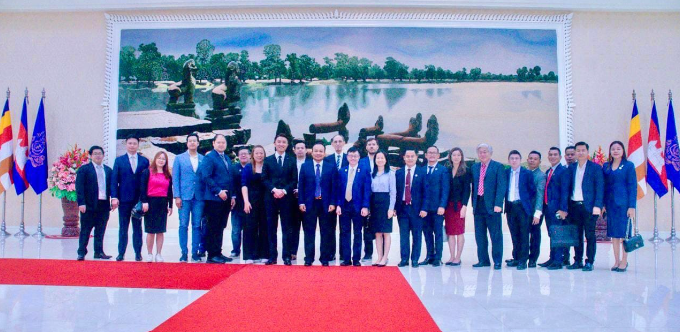
Vendfun, a leader in hospitality automation solutions, proudly shares the highlights and achievements from the recent courtesy visit organized by (Singapore Cambodia Venture Club) to H.E. Preap Kol at the Peace Palace in Cambodia. Held on 15 August 2024, the visit provided an exceptional opportunity to connect with key Cambodian government officials and explore the rich history and culture of Cambodia, setting the stage for potential collaborations in the hospitality industry.
Phnom Penh, Cambodia – Vendfun is delighted to report the resounding success of its courtesy visit to H.E. Preap Kol, Minister attached to H.E. Prime Minister Hun Manet’s Office, at the historic Peace Palace. As a gathering of key government officials and hospitality industry leaders, the visit exceeded expectations, fostering collaboration, innovation, and cultural exchange.
“The energy and engagement during our visit were truly inspiring, reflecting the deep respect and mutual interest that both parties have for advancing the hospitality industry,” said Benny Wee CEO at Vendfun. “It was an honor to introduce Vendfun to key Cambodian officials and discuss the exciting opportunities for automation solutions in this vibrant kingdom.”
Event Highlights:
Engagement with Key Officials: Vendfun had the honor of introducing its automation solutions to key Cambodian government officials, including the Tourism Minister, opening the door for future collaborations.
Insights from Minister Sok Soken: During the visit, Minister Sok Soken delivered an inspiring speech on the future of Cambodia’s tourism industry, highlighting the government’s commitment to growth and innovation through the newly established Cambodia Tourism Board (CTB).
Exploration of Opportunities: The visit allowed Vendfun to explore the potential for bringing automation solutions to Cambodia’s hospitality sector, aligning with the country’s vision for a sustainable and competitive tourism industry.
The visit facilitated discussions and partnerships that are crucial for the advancement of Cambodia’s hospitality industry. Notably, the unveiling of Minister Sok Soken’s strategy for enhancing tourism competitiveness and sustainability garnered significant interest and positive feedback.
“We’re excited about the possibilities ahead and look forward to contributing to Cambodia’s dynamic tourism industry,” remarked Benny Wee, CEO of Vendfun.
Vendfun extends its heartfelt gratitude to all participants and officials who contributed to the success of this visit. Plans are already underway for our next engagement in Cambodia, with Vendfun committed to bringing innovative automation solutions to the hospitality industry.
For more details on our visit to Cambodia and to access exclusive content, please visit Vendfun on social media at www.fb.com/vendfun
by | Aug 27, 2024 | Business
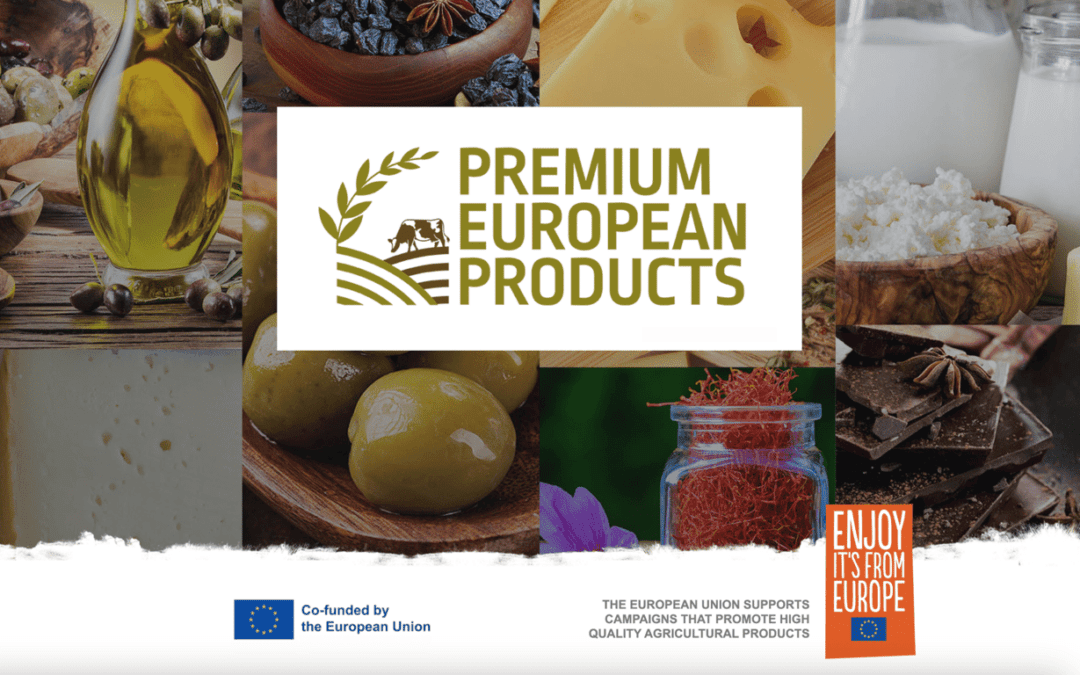
The European Union is proud to present a selection of exceptional products from Greece and Latvia as part of the “Premium European Products” campaign. Titled “Information Provision and Promotion Measures on Agricultural Products in Canada, Malaysia, and South Korea,” this initiative seeks to elevate the profile of European food products in these key global markets. Under the slogan “Better Knowledge, Better Choice,” the campaign aims to bring awareness to the rich cultural heritage, meticulous production processes, and unwavering commitment to safety and quality that define European goods.
The campaign introduces an exquisite range of added-value products, including PDO olive oils, table olives, dried grapes, saffron, hard cheese, gum, and gum oil from Greece, as well as dairy products, candied fruits, chocolates, confectionery, and salty snacks from Latvia. The initiative is built on four main objectives: first, to raise awareness of these high-quality European products; second, to enhance their recognition among consumers; third, to drive an increase in consumption; and ultimately, to boost exports of these European products to Canada, Malaysia, and South Korea.
EU’s Commitment to Quality: Understanding the Labels
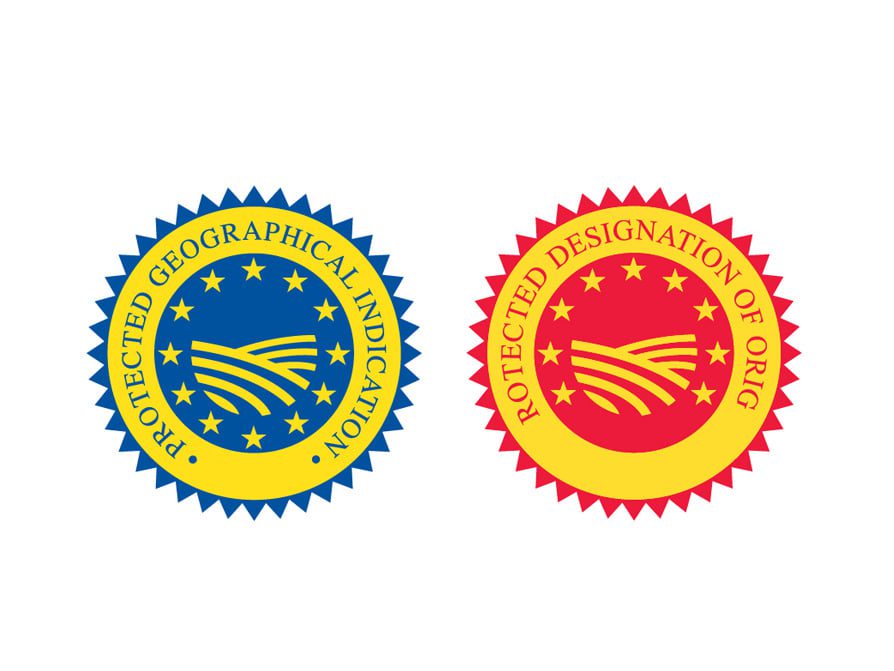
The European Union’s commitment to quality is represented by the PDO (Protected Designation of Origin) and PGI (Protected Geographical Indication) labels. These labels protect the names of products that originate from specific regions and have qualities or reputations linked to their production territory. The differences between PDO and PGI primarily relate to how much of the product’s raw materials must come from the area and how much of the production process must take place within the specific region. These factors are important indicators of authenticity and excellence.
Protected Designation of Origin (PDO): This label ensures that a product is produced, processed, and developed in a specific location, with qualities or characteristics that are intrinsically tied to its geographical environment. For example, the renowned “Krokos Kozanis” saffron from Greece is a PDO product, celebrated for its distinctive aroma and vibrant color, grown exclusively in the Kozani region.

PGI (Protected Geographical Indication):Similar to PDO, PGI products emphasize relation to their geographical area. However, unlike PDO, some production or development stages can occur outside the specified region. An example is the Latvian “Jāņu Siers” (Midsummer cheese), known for its cultural significance and traditional production methods.
Premium European Products from Greece and Latvia
The “Premium European Products” campaign offers a selection of high-quality goods from Greece and Latvia, including PDO olive oils, dried grapes, saffron, hard cheeses, and dairy products like cream cheese and sour cream. These products represent Europe’s rich heritage, combining time-honored traditions with strict safety and quality standards.
Greek Products: Greece contributes heaps of PDO products, including the renowned “Korinthiaki Stafida Vostizza” (Corinthian Currants) and “Graviera Kritis (Cretan Graviera Cheese), both of which are known for their distinct flavors and superior quality.
Latvian Products: Latvia offers a variety of dairy products, including curd snacks, cream cheese, and semi-hard cheeses, all made with the highest production standard, reflecting Latvia’s strong dairy traditions.

Ensuring Safety
The European Union’s strict regulations on food production ensure that these products meet the highest standards of safety and quality. From pesticide control to hygiene standards in processing facilities, every step of the production process is carefully monitored. Additionally, animal welfare is a key focus, with regulations ensuring that animals are raised in environments that prioritize their well-being.
Campaign Partners
This initiative is supported by two prominent organizations: the National Union of Agricultural Cooperatives of Greece (ETHEAS) and the Latvian Dairy Committee (LDC). Both organizations are dedicated to promoting the most prestigious products from their respective countries, reinforcing the reputation of European goods on the global stage.
For more information about the “Premium European Products” campaign, please visit https://premiumeuropeanproducts.eu/ or email us to in**@*********************ts.eu.
Pages dedicated to this program can be found on Instagram, Facebook and YouTube, @premiumeuropeanproducts.
Notes to Editor
About National Union of Agricultural Cooperatives of Greece (ETHEAS)
Founded by Greece’s leading cooperatives and established by Greek law, ETHEAS is the national coordinating body of Agricultural Cooperatives in Greece. With over 300 member cooperatives representing approximately 80% of Greece’s total agricultural cooperative turnover, ETHEAS aims to foster rural and cooperative development, support and promote its members’ activities domestically and internationally, provide expert opinions on cooperative movement agricultural production and sector development, supervise the dissemination and promotion of cooperative ideas, and serve and educate its members through studies, research projects, and assignments.
About Latvian Dairy Committee (LDC)
Established in 1995, the Central Union of Latvian Milk Manufacturers (“Latvijas Piensaimnieku Centrālā Savienība”) unites milk producers and focuses on protecting their interests. As a cooperative society with 17 members producing about 80% of Latvia’s industrial milk, LDC advocates for milk manufacturers, ensures the sustainable development of the dairy sector, and represents the collective interests of its members.
by | Aug 27, 2024 | Business
Kesatuan Eropah dengan bangganya mempersembahkan pilihan produk luar biasa dari Greece dan Latvia sebagai sebahagian daripada kempen “Produk Eropah Premium”. Bertajuk “Langkah Penyediaan Maklumat dan Promosi Produk Pertanian di Kanada, Malaysia, dan Korea Selatan,” inisiatif ini bertujuan untuk meningkatkan profil produk makanan Eropah di pasaran global utama ini. Di bawah slogan “Pengetahuan yang Lebih Baik, Pilihan yang Lebih Baik,” kempen ini bertujuan untuk menyedarkan orang ramai mengenai warisan budaya yang kaya, proses pengeluaran yang teliti, dan komitmen yang teguh terhadap keselamatan dan kualiti yang mendefinisikan barangan Eropah.
Kempen ini memperkenalkan pelbagai produk tambah nilai yang menakjubkan, termasuk minyak zaitun PDO, zaitun meja, kismis kering, safron, keju keras, getah, dan minyak getah dari Greece, serta produk tenusu, buah-buahan manisan, coklat, konfeksi, dan makanan ringan masin dari Latvia. Inisiatif ini dibina di atas empat objektif utama: pertama, untuk meningkatkan kesedaran tentang produk Eropah berkualiti tinggi ini; kedua, untuk meningkatkan pengiktirafan mereka di kalangan pengguna; ketiga, untuk mendorong peningkatan penggunaan; dan akhirnya, untuk meningkatkan eksport produk Eropah ini ke Kanada, Malaysia, dan Korea Selatan.
Komitmen EU terhadap Kualiti: Memahami Label
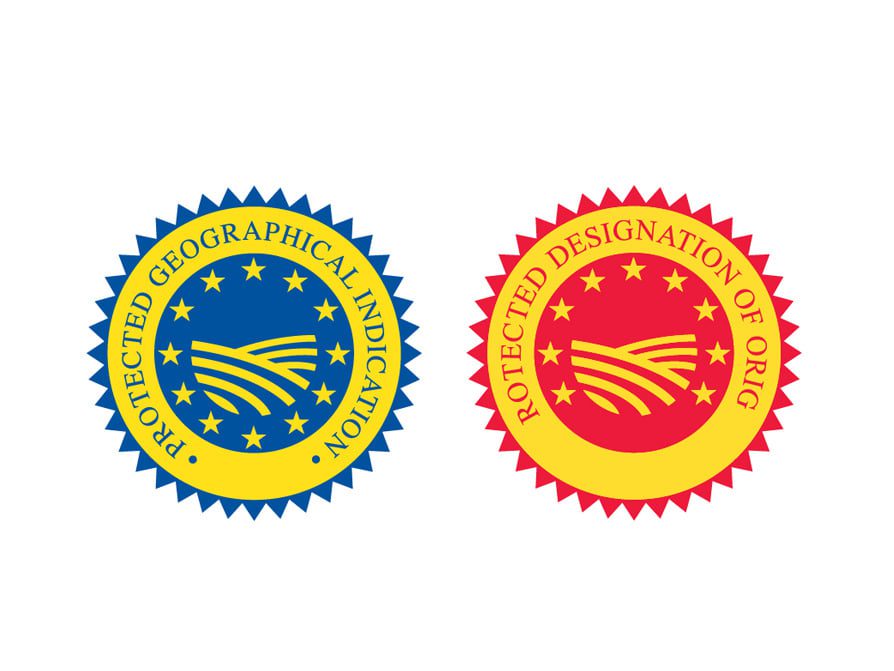
Komitmen Kesatuan Eropah terhadap kualiti diwakili oleh label PDO (Protected Designation of Origin) dan PGI (Protected Geographical Indication). Label ini melindungi nama produk yang berasal dari kawasan tertentu dan mempunyai kualiti atau reputasi yang berkaitan dengan wilayah pengeluarannya. Perbezaan antara PDO dan PGI terutamanya berkaitan dengan berapa banyak bahan mentah produk yang mesti datang dari kawasan tersebut dan berapa banyak proses pengeluaran yang mesti berlaku dalam wilayah tertentu. Faktor-faktor ini adalah petunjuk penting keaslian dan kecemerlangan.
1. Petunjuk Geografi Terlindung (PDO):
Label ini memastikan bahawa produk dihasilkan, diproses, dan dikembangkan di lokasi tertentu, dengan kualiti atau ciri-ciri yang berkait rapat dengan persekitaran geografi mereka. Sebagai contoh, safron “Krokos Kozanis” yang terkenal dari Greece adalah produk PDO, yang diraikan kerana aroma yang istimewa dan warna yang terang, yang hanya tumbuh di wilayah Kozani.

2. Indikasi Geografi Terlindung (PGI):
Sama seperti PDO, produk PGI menekankan kaitan dengan kawasan geografi mereka. Walau bagaimanapun, tidak seperti PDO, beberapa peringkat pengeluaran atau pembangunan boleh berlaku di luar wilayah yang ditentukan. Contohnya ialah “Jāņu Siers” (Keju Midsummer) dari Latvia, yang dikenali kerana kepentingan budaya dan kaedah pengeluaran tradisionalnya.
Produk Eropah Premium dari Greece dan Latvia
Kempen “Produk Eropah Premium” menawarkan pilihan barangan berkualiti tinggi dari Greece dan Latvia, termasuk minyak zaitun PDO, kismis kering, safron, keju keras, dan produk tenusu seperti keju krim dan krim masam. Produk-produk ini mewakili warisan Eropah yang kaya, menggabungkan tradisi yang lama dengan piawaian keselamatan dan kualiti yang ketat.
Produk Greece: Greece menyumbang pelbagai produk PDO, termasuk “Korinthiaki Stafida Vostizza” (Kismis Korintus) dan “Graviera Kritis” (Keju Graviera dari Crete), yang terkenal dengan rasa yang unik dan kualiti yang unggul.
Produk Latvia: Latvia menawarkan pelbagai produk tenusu, termasuk snek keju, keju krim, dan keju separa keras, yang semuanya dihasilkan dengan piawaian pengeluaran tertinggi, mencerminkan tradisi tenusu yang kuat di Latvia.

Menjamin Keselamatan
Peraturan ketat Kesatuan Eropah mengenai pengeluaran makanan memastikan produk-produk ini memenuhi piawaian keselamatan dan kualiti tertinggi. Dari kawalan racun perosak hingga piawaian kebersihan di kemudahan pemprosesan, setiap langkah dalam proses pengeluaran dipantau dengan teliti. Selain itu, kebajikan haiwan adalah fokus utama, dengan peraturan yang memastikan haiwan dipelihara dalam persekitaran yang mengutamakan kesejahteraan mereka.
Rakan Kempen
Inisiatif ini disokong oleh dua organisasi terkemuka: Kesatuan Nasional Koperasi Pertanian Greece (ETHEAS) dan Jawatankuasa Tenusu Latvia (LDC). Kedua-dua organisasi ini berdedikasi untuk mempromosikan produk paling berprestij dari negara masing-masing, memperkukuhkan reputasi barangan Eropah di peringkat global.
Untuk maklumat lanjut mengenai kempen “Produk Eropah Premium”, sila layari https://premiumeuropeanproducts.eu/ atau emel kami di
to in**@*********************ts.eu.
Halaman yang didedikasikan untuk program ini boleh didapati di Instagram, Facebook dan YouTube, @premiumeuropeanproducts.
Peringatan kepada Editor
Mengenai Kesatuan Nasional Koperasi Pertanian Greece (ETHEAS)
Ditubuhkan oleh koperasi terkemuka Greece dan ditubuhkan oleh undang-undang Greece, ETHEAS ialah badan penyelaras nasional Koperasi Pertanian di Greece. Dengan lebih daripada 300 koperasi ahli yang mewakili kira-kira 80% daripada jumlah perolehan koperasi pertanian Greece, ETHEAS bertujuan untuk memupuk pembangunan luar bandar dan koperasi, menyokong dan mempromosikan aktiviti ahli-ahlinya di dalam dan luar negara, memberikan pendapat pakar mengenai pergerakan koperasi, pengeluaran pertanian, dan pembangunan sektor, menyelia penyebaran dan promosi idea koperasi, dan melayani serta mendidik ahli-ahlinya melalui kajian, projek penyelidikan, dan tugasan.
Mengenai Jawatankuasa Tenusu Latvia (LDC)
Ditubuhkan pada tahun 1995, Kesatuan Pusat Pengeluar Susu Latvia (“Latvijas Piensaimnieku Centrālā Savienība”) menyatukan pengeluar susu dan memberi tumpuan kepada melindungi kepentingan mereka. Sebagai sebuah masyarakat koperasi dengan 17 ahli yang menghasilkan kira-kira 80% daripada susu industri Latvia, LDC menyokong pengeluar susu, memastikan pembangunan mampan sektor tenusu, dan mewakili kepentingan kolektif ahlinya.

by | Aug 27, 2024 | Business
This is the first part of the four-part series Empowering Vulnerable Populations through Media and Information Literacy. This article focuses on Filipino youths. It will discuss the importance of Media and Information Literacy (MIL) for the youth. Also, it will elaborate on how MIL can empower them to navigate the digital age safely and responsibly.
In the complex and interconnected digital world, vulnerable youth face unique challenges in keeping themselves safe from bad actors that lurk online.
Since they have less agency and less discretion on the media they are consuming, they are considered easy targets by wrongdoers.
Since these vulnerable groups often lack the resources and education needed to effectively interpret media, they are more susceptible to exploitation and misinformation. Thus, media and information literacy (MIL) is crucial to equip them with the skills to critically access, analyze, and evaluate media content. These skills foster safer and more informed online experiences, in particular those who face heightened risks and barriers.
The Power of MIL for Vulnerable Youth
The common cyber challenges that Filipino youths face include misinformation, cyberbullying, and online exploitation. They are easy targets simply because they lack digital literacy skills to combat these risks. That is where the role of media and information literacy comes in. These skills enable them to understand their online rights, to navigate the digital landscape responsibly, and to make informed decisions.
For example, these youths can avoid scams simply because they can distinguish whether the sales page they are exposed to is credible or not. Another one, they can alert social media companies that they have been harassed online and the said companies will take action simply because these youths know they have the right to be protected from bad actors in the digital space.
When vulnerable youths know what risks they face in using media and how to protect themselves from danger, their guardians could heap a sigh of relief that their wards are on a good digital experience.
Addressing the Challenges
Vulnerable youth often encounter significant obstacles in accessing and interpreting media. These challenges may include limited digital access, lower literacy levels, and susceptibility to misinformation and online risks. Imagine where children are not exposed to gadgets simply because their parents cannot afford them. Then, they reach a certain age where they can afford to get gadgets like mobile phones or tablets. The likelihood they may face online exploitation like scams and misinformation on certain narratives is high simply because they were not trained to use digital resources and were not trained in digital literacy at a young age.
In short, socioeconomic factors, education levels, and technology access significantly impact their ability to navigate the online world safely.
So how to address these challenges? First, make it accessible for every family to have digital resources and internet connectivity. Governments should invest in manufacturing cheaper technology that the general population could avail of and ensure that there are enough subsidies to build internet towers in every city. Of course, this will take time but industrialization for the sake of global competitiveness in general should be the main driver to trickle down MIL investments.
However, our policy-makers could make short-term solutions while the country is far beyond industrialization. These include education and community initiatives.
Empowering Through Education
MIL education is vital to empower vulnerable youth. When MIL is incorporated into school programs, children will learn the skillsets attached to the said subject.
However, there must be some avenues to validate and practice such learning. These include workshops and community engagements. They can equip students with the tools to critically assess media content and to navigate the digital world confidently.
Building Effective MIL Programs
To build effective MIL programs, there should be collaboration among schools, community organizations, and policymakers. Understand that MIL education in itself is an interconnected system so it is a must that people contribute their part to make it work.
Now, how to ensure that MIL programs are successful for vulnerable youth? These programs must be accessible, relevant, and engaging. It should also be complemented with technology to enhance MIL education. However, as discussed in previous articles, there are some challenges in pursuit of this program so accessibility and inclusivity should always be a priority.
Moreover, teachers should also be empowered and well-financed in the said programs because they are the key determinants in the success of MIL education.
A Call to Action
Empowering the vulnerable Filipino youths through MIL fosters a more informed, resilient, and inclusive Philippines where everyone can access the digital world safely and responsibly.
When policymakers and educators prioritize MIL initiatives for vulnerable youths, they can create a future where every Filipino can access and engage with media confidently and critically, regardless of his circumstances. This empowerment is vital for a safer and more informed online experience for all.
Hence, stakeholders should champion MIL education through supportive policies, resource allocation, and continuous training for educators.
Coach Boost Gio
by | Aug 27, 2024 | Business
Building a bridge between the startup ecosystems of Asia and Okinawa to foster innovation.
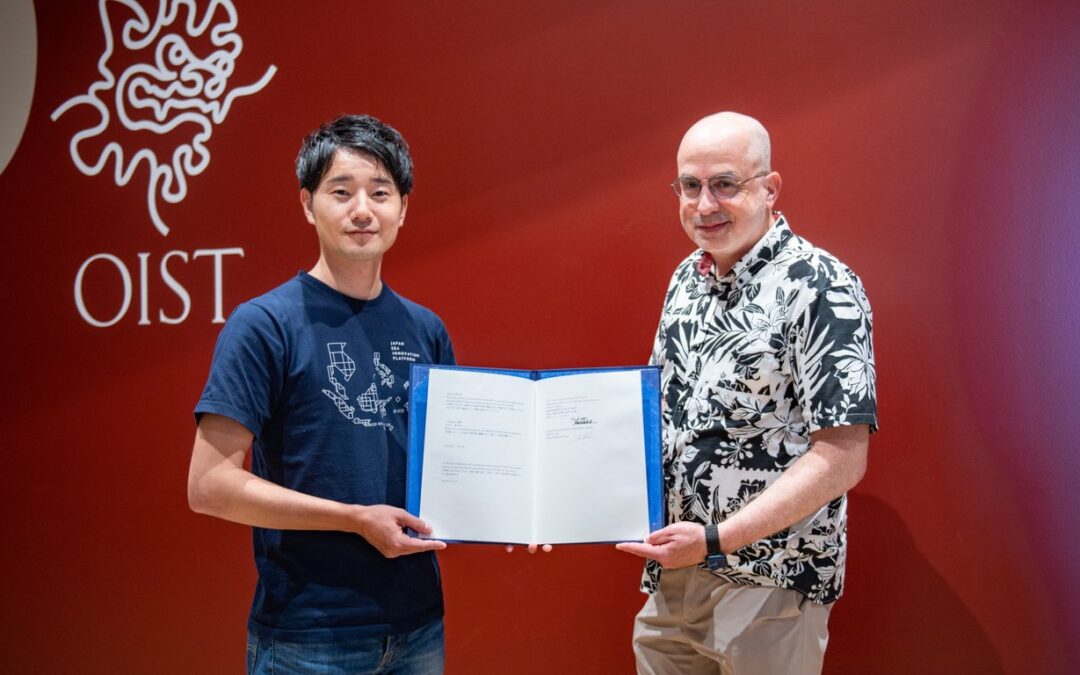
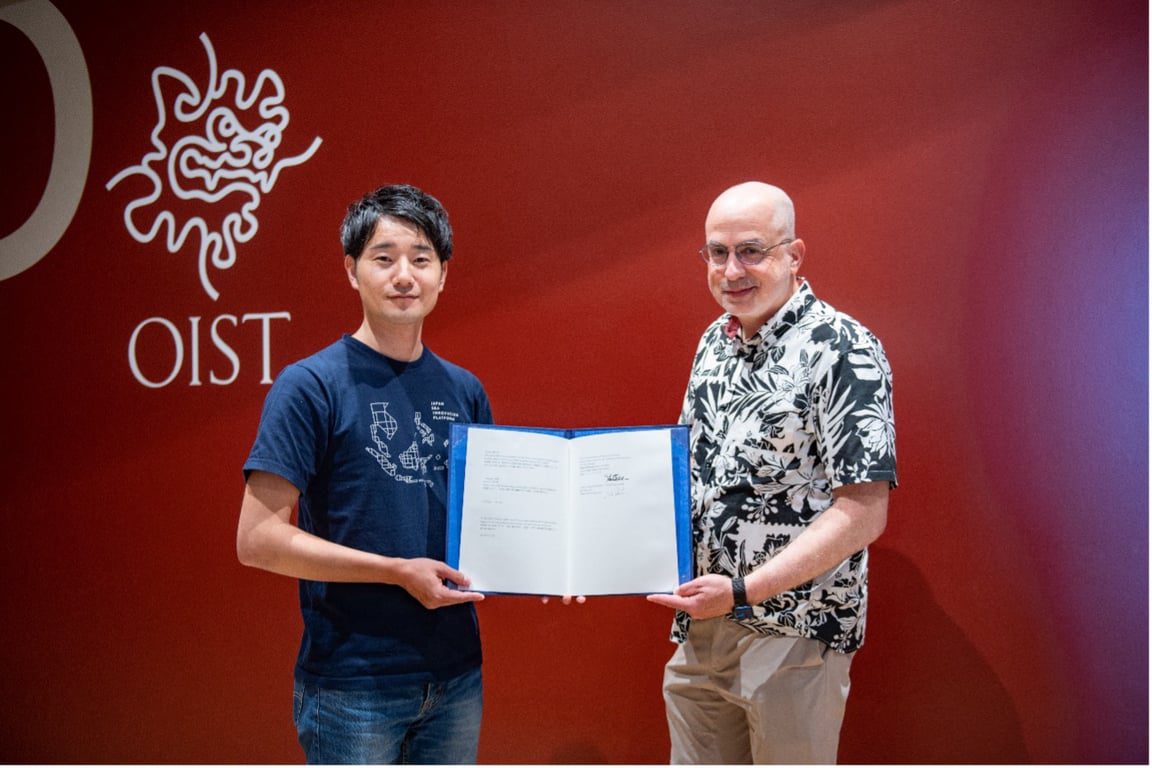
The Okinawa Institute of Science and Technology (OIST) and the Japan Southeast Asia Innovation Platform (JSIP) have signed a Memorandum of Understanding (MOU) aimed at supporting startup communities in Okinawa and Asia. Through this partnership, they seek to strengthen the startup ecosystem and accelerate innovation in Okinawa and across Asia. The collaboration will involve co-organized seminars, mentoring OIST-based startups by JSIP, joint branding and marketing efforts, and supporting startup growth through industry-academia collaboration.
JSIP is a community platform for the launch and growth of new, Japanese business ventures in Southeast Asia. Centered in Singapore, it unites experts from Japan and the rest of the world to foster cross-industry collaboration, creating a solid foundation for rapid business expansion throughout the region.
The signing of this MOU is expected to further energize the startup ecosystem in Okinawa, marking a significant step towards extending the pioneer spirit of Okinawa to the rest of Asia and beyond.
【Goals of the MOU】
Planning and organizing joint seminars: Co-hosting seminars for startups in the Asia region to introduce the latest trends in technology and business.
Mentoring by JSIP: JSIP will provide mentoring to OIST-based startups to help them address their challenges.
Joint branding and marketing: Leveraging both parties’ networks and resources to support startup branding and marketing.
Other related matters: Implementing various measures to accelerate startup growth through industry-academia collaboration.
【Comments】
• Gil Granot-Mayer, OIST Executive Vice President for Technology Development and Innovation: ” The signing of this MOU is a crucial step towards accelerating the growth and innovation of startups in Asia, while unlocking the potential of Okinawa. This collaboration will further strengthen Okinawa’s startup ecosystem, significantly contributing to the region’s economic development. OIST aims to become a hub for innovation, fostering a startup ecosystem rooted in Okinawa and expanding throughout Asia.”
• Takaki Nakamura, Founder of JSIP’s management team: “We are honored to partner with OIST, a cutting-edge academic and research institution that attracts top global talent. This collaboration will serve as a foundation for bridging the startup ecosystems of Southeast Asia and Okinawa, fostering new innovations and embodying JSIP’s vision of building ‘innovation infrastructure’ that connects Japan and Southeast Asia. Our team is excited about the upcoming collaboration.”
by | Aug 26, 2024 | Business
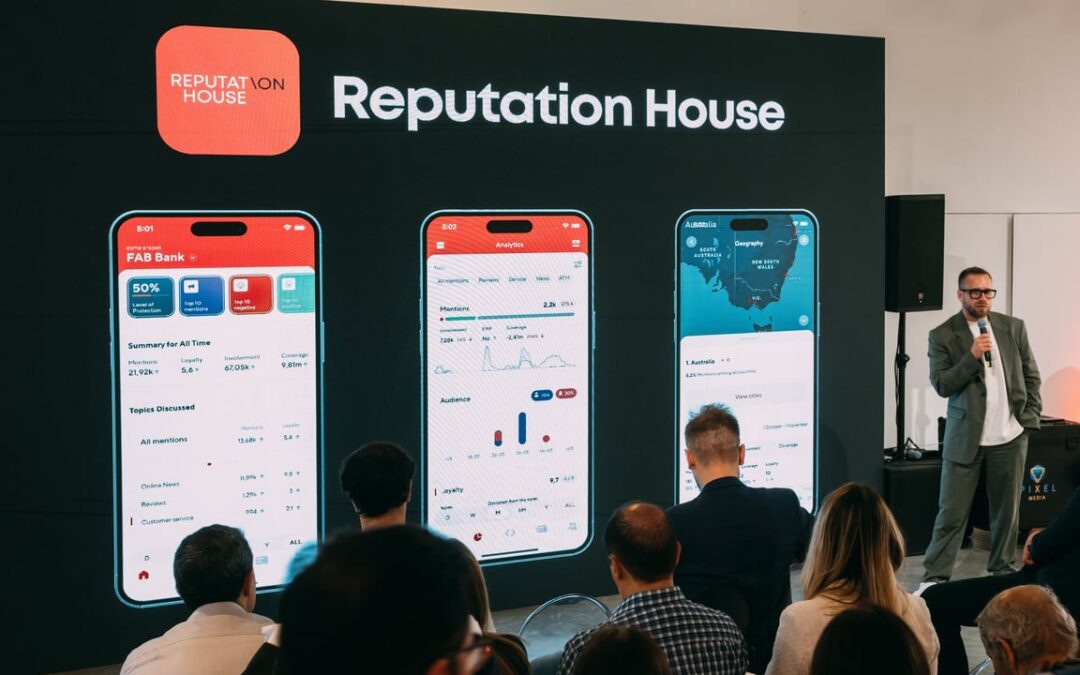
Reputation House’s new services help businesses within the travel and hospitality sector to take full control of their online presence
Reputation House now offers a new set of modern
and comprehensive online reputation management services. This set of tools is
focused on companies and personal brands operating within the HoReCa and travel
business sectors. The new services will help brands of different sizes to excel
their digital presence.
The new service, called ‘Online Presence Control,’ includes eight key components:
● Reputation Audit: A thorough assessment of the company’s current online reputation.
● Mass Media Mention and Social Media Monitoring System: Comprehensive tracking of mentions
across news outlets and social media platforms.
● Daily Monitoring: Continuous surveillance of online activity related to the company.
● Alert System:
Customizable notifications for specific keywords or phrases, enabling swift
responses to critical mentions.
● SaaS Products from Reputation House: AI-powered solutions designed to protect and
improve the company’s reputation.
● Live Tech Support: Immediate technical assistance to address any issues or concerns.
● Weekly Reports: Detailed summaries of online activity and reputation status.
● A personal manager to oversee and guide the reputation management process.
Dima Raketa, CEO of Reputation House,
commented, ‘Before offering a new set of
services, we conducted thorough research analyzing the travel industry impacted
by reputation challenges the most worldwide. Thus, we created a solution with a
particular focus on digital image and the level of presence in the web. We
believe that having the right tools to manage and protect your brand image is
essential. Our new offerings reflect our commitment to innovation and
excellence in reputation management.’
Today, Reputation House specializes in
detecting issues and fixing online performance: Search Engine Reputation
Management (SERM), online mentions’ monitoring, online reputation analytics,
lead generation, deleting information from websites and search engines, and
evaluating digital engagement and coverage. For over 10 years Reputation House
has secured online reputation for more than 1,000 international companies that
include governments, corporations, companies, NGOs, and individuals.
To learn more about Reputation House and its
services, visit the website.
by Penny Angeles-Tan | Aug 26, 2024 | Book Reviews
 Two Times the Trouble by Stephanie Brother is different from the other stories she’s written that I have read. Identical twins are nothing new, but identical twins pretending to be one person to help a gal out by pretending to be her boyfriend … that’s new.
When a hot, grumpy, silent man entered her yoga class, Callie didn’t know what to expect. She certainly didn’t expect him to keep coming back! Then she encounters him again at the sandwich shop she also works at and encounters him again, but with his personality dialed the opposite way. How can he be so different in yoga class and outside of it? Turns out that the explanation is simple.
Dealing with the Pruitt twins must be like having a relationship with Jekyll and Hyde, except that Max and Miles really are two separate people! It boggles the mind how polar opposite their personalities seem, and yet whenever they switch places, Miles plays Max to a tee that in Callie’s shoes, I would get whiplash! Then there’s the added layer of mystery… what are these twins plotting? It’s clear that their machinations are unrelated to Callie and have everything to do with the family her sister is marrying into. The impending revelation is a source of dread. Hearts will be shattered, feelings will be bruised, and misunderstandings will run rampant.
I’d recommend this book, if only because it is different from most of Stephanie Brother’s stories, and yet it still hooked me! The unique storyline, the complex characters, and the element of mystery make it a compelling read. I think you should give it a shot as well. 🙂
Two Times the Trouble by Stephanie Brother on Amazon in paperback and Kindle format. Get your copy now! I enjoyed it, I think you will, too.

by | Aug 26, 2024 | Business
This is the last part of the four-part series on Media and Information Literacy in the Disinformation Web. This article will discuss how Media and Information Literacy (MIL) in the Philippines is essential for combating disinformation. Also, it will feature MIL initiatives, their impact, and strategies for building a resilient society.
In an age of rampant misinformation, media and information literacy (MIL) stands as a beacon of hope for the Philippines. This essential skill set empowers individuals to adapt from the complexities of the digital landscape. It helps people to critically evaluate information,and resist manipulation.
The Vital Role of MIL in the Philippines
Media and Information Literacy encompasses the ability to access, analyze, evaluate, and create media in various forms, along with an ethical understanding of media consumption and production. Hence, MIL is particularly vital. It enables citizens to discern credible sources from the sea of misinformation that often floods these platforms. It enables people to make informed decisions.
For example, as discussed in previous articles, social media is deeply embedded in daily life of Filipinos since the Philippine is the Social Media Capital of the World. It was also highlighted in the previous article about the need of Filipinos to be educated on MIL because they tend to be victims of fake news from influencers.
Government-Led Media Literacy Campaigns
The Philippine government recognizes the threat of disinformation that is why they have taken proactive measures. The initiative includes a nationwide media literacy campaign which was spearheaded by the Marcos administration. This program aims to equip Filipinos with the critical thinking skills necessary to figure out the media landscape effectively. This campaign involves a collaborative effort among various government agencies, including the Presidential Communication Office (PCO), the Department of Education (DepEd), and the Commission on Higher Education (CHED). The campaign focuses on teaching individuals how to discern credible sources and engage responsibly with the media.
Academic and Non-Profit Contributions
Alongside government initiatives, academic institutions and non-profit organizations play a pivotal role in promoting MIL. For example, Tsek.ph is a collaborative fact-checking project that counters disinformation by providing verified information. Meanwhile, VERA Files, an independent media organization, conducts in-depth analysis and fact-checking to promote accurate reporting.
MIL: A Weapon Against Disinformation
Strong MIL skills has a profound impact on an individual’s ability to resist manipulation and make informed choices. MIL enhances critical thinking and it encourages individuals to question the validity of information. It also fosters informed decision-making that is crucial in a democratic society like the Philippines. Moreover, MIL builds resilience against manipulation, as seen during the COVID-19 pandemic, where MIL initiatives successfully debunked vaccine myths.
Lessons Learned and the Way Forward
As the Philippines continues its fight against disinformation, several key lessons have emerged:
Proactive Education: Early and continuous education about MIL is essential to build a more informed and resilient society. Remember, they are not easily manipulated by misinformation if they are trained to discern the validity of sources.
Collaboration: Successful MIL initiatives require collaboration between government agencies, educational institutions, and media organizations to amplify their reach and impact.
Lifelong Learning: MIL is an ongoing process, requiring continuous updates and innovations to keep pace with the evolving digital landscape.
In conclusion, media and information literacy is a powerful tool in the ongoing battle against disinformation in the Philippines. By fostering strong MIL skills, individuals can become discerning consumers of information, resist manipulation, and actively participate in shaping a well-informed and resilient society.
Coach Boost Gio







You must be logged in to post a comment.