by | Aug 26, 2024 | Business
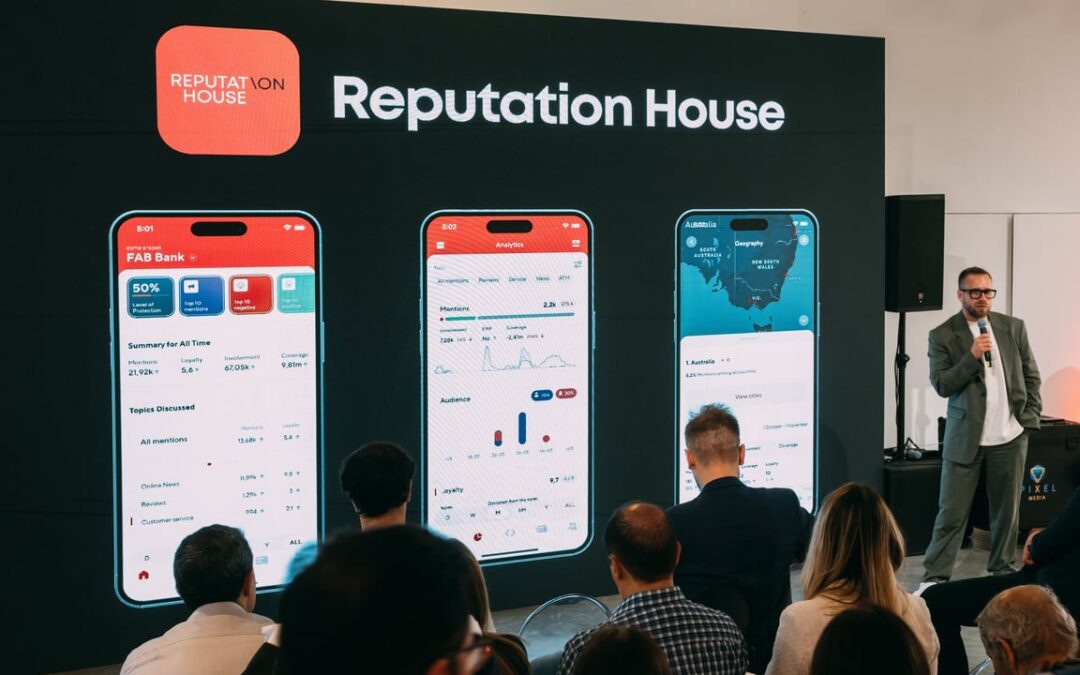
Reputation House’s new services help businesses within the travel and hospitality sector to take full control of their online presence
Reputation House now offers a new set of modern
and comprehensive online reputation management services. This set of tools is
focused on companies and personal brands operating within the HoReCa and travel
business sectors. The new services will help brands of different sizes to excel
their digital presence.
The new service, called ‘Online Presence Control,’ includes eight key components:
● Reputation Audit: A thorough assessment of the company’s current online reputation.
● Mass Media Mention and Social Media Monitoring System: Comprehensive tracking of mentions
across news outlets and social media platforms.
● Daily Monitoring: Continuous surveillance of online activity related to the company.
● Alert System:
Customizable notifications for specific keywords or phrases, enabling swift
responses to critical mentions.
● SaaS Products from Reputation House: AI-powered solutions designed to protect and
improve the company’s reputation.
● Live Tech Support: Immediate technical assistance to address any issues or concerns.
● Weekly Reports: Detailed summaries of online activity and reputation status.
● A personal manager to oversee and guide the reputation management process.
Dima Raketa, CEO of Reputation House,
commented, ‘Before offering a new set of
services, we conducted thorough research analyzing the travel industry impacted
by reputation challenges the most worldwide. Thus, we created a solution with a
particular focus on digital image and the level of presence in the web. We
believe that having the right tools to manage and protect your brand image is
essential. Our new offerings reflect our commitment to innovation and
excellence in reputation management.’
Today, Reputation House specializes in
detecting issues and fixing online performance: Search Engine Reputation
Management (SERM), online mentions’ monitoring, online reputation analytics,
lead generation, deleting information from websites and search engines, and
evaluating digital engagement and coverage. For over 10 years Reputation House
has secured online reputation for more than 1,000 international companies that
include governments, corporations, companies, NGOs, and individuals.
To learn more about Reputation House and its
services, visit the website.

by | Aug 26, 2024 | Business
This is the last part of the four-part series on Media and Information Literacy in the Disinformation Web. This article will discuss how Media and Information Literacy (MIL) in the Philippines is essential for combating disinformation. Also, it will feature MIL initiatives, their impact, and strategies for building a resilient society.
In an age of rampant misinformation, media and information literacy (MIL) stands as a beacon of hope for the Philippines. This essential skill set empowers individuals to adapt from the complexities of the digital landscape. It helps people to critically evaluate information,and resist manipulation.
The Vital Role of MIL in the Philippines
Media and Information Literacy encompasses the ability to access, analyze, evaluate, and create media in various forms, along with an ethical understanding of media consumption and production. Hence, MIL is particularly vital. It enables citizens to discern credible sources from the sea of misinformation that often floods these platforms. It enables people to make informed decisions.
For example, as discussed in previous articles, social media is deeply embedded in daily life of Filipinos since the Philippine is the Social Media Capital of the World. It was also highlighted in the previous article about the need of Filipinos to be educated on MIL because they tend to be victims of fake news from influencers.
Government-Led Media Literacy Campaigns
The Philippine government recognizes the threat of disinformation that is why they have taken proactive measures. The initiative includes a nationwide media literacy campaign which was spearheaded by the Marcos administration. This program aims to equip Filipinos with the critical thinking skills necessary to figure out the media landscape effectively. This campaign involves a collaborative effort among various government agencies, including the Presidential Communication Office (PCO), the Department of Education (DepEd), and the Commission on Higher Education (CHED). The campaign focuses on teaching individuals how to discern credible sources and engage responsibly with the media.
Academic and Non-Profit Contributions
Alongside government initiatives, academic institutions and non-profit organizations play a pivotal role in promoting MIL. For example, Tsek.ph is a collaborative fact-checking project that counters disinformation by providing verified information. Meanwhile, VERA Files, an independent media organization, conducts in-depth analysis and fact-checking to promote accurate reporting.
MIL: A Weapon Against Disinformation
Strong MIL skills has a profound impact on an individual’s ability to resist manipulation and make informed choices. MIL enhances critical thinking and it encourages individuals to question the validity of information. It also fosters informed decision-making that is crucial in a democratic society like the Philippines. Moreover, MIL builds resilience against manipulation, as seen during the COVID-19 pandemic, where MIL initiatives successfully debunked vaccine myths.
Lessons Learned and the Way Forward
As the Philippines continues its fight against disinformation, several key lessons have emerged:
Proactive Education: Early and continuous education about MIL is essential to build a more informed and resilient society. Remember, they are not easily manipulated by misinformation if they are trained to discern the validity of sources.
Collaboration: Successful MIL initiatives require collaboration between government agencies, educational institutions, and media organizations to amplify their reach and impact.
Lifelong Learning: MIL is an ongoing process, requiring continuous updates and innovations to keep pace with the evolving digital landscape.
In conclusion, media and information literacy is a powerful tool in the ongoing battle against disinformation in the Philippines. By fostering strong MIL skills, individuals can become discerning consumers of information, resist manipulation, and actively participate in shaping a well-informed and resilient society.
Coach Boost Gio
by | Aug 25, 2024 | Business
This is the third part of the four-part series on Media and Information Literacy in the Disinformation Web. This article will feature essential fact-checking tools that enhance media and information literacy in the Philippines, helping you combat misinformation and verify credible sources.
Combating Misinformation in the Philippines: Essential Fact-Checking Tools
As previously discussed in the last two articles, the Philippines faces a growing threat – the rapid spread of misinformation. This misinformation includes false narratives, political propaganda, and misleading health claims circulate widely. It has proven to jeopardize democratic processes, public health, and social cohesion.
In this context, media and information literacy (MIL) has become an indispensable skill for Filipinos. MIL equips individuals with the ability to critically evaluate information, identify credible sources, and make informed decisions. Fortunately, a range of powerful fact-checking tools are available to aid in this endeavor.
Local Fact-Checking Initiatives
Several local organizations have emerged as leaders in the fight against misinformation in the Philippines:
Tsek.ph: This collaborative initiative, launched during the 2019 elections. It brings together academic institutions and media organizations to verify information and counter disinformation, particularly during critical periods like elections.
VERA Files: This organization is founded by veteran Filipino journalists. VERA Files is an independent media organization renowned for its rigorous fact-checking and investigative journalism. Their commitment to accuracy and impartiality makes them a trusted source for verifying claims.
FactRakers: Led by journalism students at the University of the Philippines-Diliman, FactRakers focuses on verifying claims and promoting media literacy, contributing to a more informed society.
International and Online Fact-Checking Tools
Beyond local initiatives, several international tools are readily available to help Filipinos combat misinformation:
Google Fact Check Tools: Google offers a suite of tools designed to aid in information verification. The Google Fact Check Explorer allows users to search for debunked stories and images globally, while the Fact Check Markup tool enables content creators to add structured data to their fact checks, enhancing their visibility online.
Challenges and Considerations
While fact-checking tools offer immense value, challenges remain:
Artificial Intelligence (AI): AI is increasingly used in fact-checking for tasks like reverse image searching and natural language processing. However, Filipino fact-checkers have expressed concerns about the reliability, potential biases, and security risks associated with AI tools.
Solutions and Best Practices
To effectively combat misinformation, several key strategies are essential:
Proactive Fact-Checking: Key players should verify claims head on, before they gain widespread traction. This is crucial to prevent the spread of misinformation.
Collaboration: Media organizations, academic institutions, and technology companies must work together to develop robust fact-checking tools and strategies.
Public Education: Raising awareness about media literacy and the availability of fact-checking resources is essential to empower students to critically evaluate information.
Conclusion
The fight against misinformation in the Philippines is ongoing. Nonetheless, Filipinos have access to a wealth of resources to aid in this battle. By utilizing local and international fact-checking initiatives, individuals can enhance their media and information literacy. While challenges exist, proactive fact-checking, collaboration, and public education remain essential pillars in the effort to build a more informed and resilient society.
Coach Boost Gio
by | Aug 25, 2024 | Business
Pulso has established itself as a leading provider of credible information and survey data in the Philippines, offering reliable insights for businesses, political stakeholders, and organizations across various industries.
MANILA, Philippines – Pulso has established itself as a leading provider of credible information and survey data in the Philippines, offering reliable insights for businesses, political stakeholders, and organizations across various industries. With a focus on delivering high-quality quantitative and qualitative research, Pulso is becoming the go-to partner for entities seeking in-depth analysis and data-driven strategies.
Survey matters
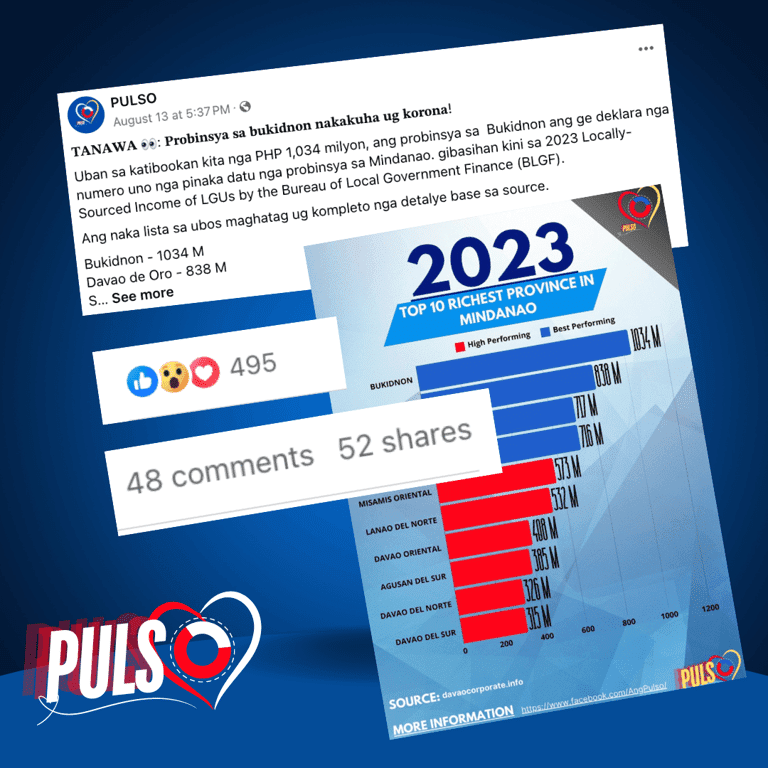
This new survey provider specializes in conducting field and online surveys that provide valuable insights into consumer behavior, market trends, and public opinion. The company’s expertise in both quantitative and qualitative research methodologies allows it to capture a comprehensive view of the market and deliver actionable findings. Whether it’s gathering feedback from consumers or assessing voter sentiments, Pulso’s research solutions are designed to offer clarity and support informed decision-making.
Through its services, Pulso empowers businesses to make data-driven decisions that enhance their strategic direction, optimize their operations, and improve customer engagement. In the political realm, Pulso’s surveys shed light on voter preferences, political approval ratings, and public perceptions, offering candidates and officials a valuable resource to shape their campaigns or policies effectively.
Dedicated to credibility
Pulso’s commitment to accuracy and credibility has earned it the trust of clients seeking dependable and unbiased data. Its team of expert researchers utilizes cutting-edge methodologies to ensure that findings reflect current trends and real-world dynamics.
For businesses, political figures, and organizations seeking precise, actionable insights through trustworthy surveys and research, Pulso offers an unparalleled service. To learn more about how Pulso can help you understand your market or constituency better, send a message today and start leveraging the power of data-driven insights.

Contact Pulso today
To inquire about Pulso’s services and discover how they can assist with your research needs, message Pulso today and take the first step toward informed decision-making.
Visit their page at facebook.com/AngPulso. They will gladly discuss with you about your survey or research inquiries through Messenger.
by Penny Angeles-Tan | Aug 24, 2024 | Business
This is the second part of the four-part series on Media and Information Literacy in the Disinformation Web. This article will dissect the anatomy of the COVID-19 vaccine misinformation hoax, its impact on public health, and how Media and Information Literacy (MIL) can combat such threats.
The Infodemic and the Need for Media Literacy
During the COVID-19 pandemic, the virus is just the tip of the iceberg that strained the effectiveness of our global public health. It also proved that an “infodemic” of misinformation around vaccines and health precautions could exacerbate such measure.
False claims about vaccine dangers and conspiracies significantly impacted public health efforts. People were hesitant to take vaccines for it might cause some other permanent to their. Some people even took medications meant for animals due to misinformation in the internet.
This phenomenon underscores the critical need for Media and Information Literacy (MIL). This skill empowers individuals to access, analyze, evaluate, and create media content responsibly. People should understand how misinformation spreads and should develop the skills to critically evaluate information. In effect, individuals can make informed decisions and resist the influence of false narratives.
However, it is important to note how misinformation spreads.
How the Hoax Spread: Social Media, Influencers, and Algorithms
The anatomy of this viral hoax reveals how social media platforms like Facebook, Twitter, and YouTube became major vectors for misinformation. They actually amplified false narratives to vast audiences.
How did they do it? First, these companies provided influencers and pseudoscientists a platform that lent them credibility to spread misinformation among their followers. Unfortunately, there were no measures to fact-check the claims back then.
Then the audience engages with the misinformation. In fact, they can easily share it to their contact list and their contact lists do the same. As a result, the algorithms in these platforms created echo chambers where false beliefs were reinforced. This makes it difficult for accurate information to break through.
Now, the problem with this kind of system is that people have biases about the information that they prefer to believe in. Hence, public health officials had difficulty getting through to ordinary folks because they had pre-conceived notions on what is already factual from what is plain hoax.
Devastating Impact on Public Health
This rapid spread of misinformation had a devastating impact on public health. There were such claims that vaccines cause autism or permanent damage to spreading COVID were not real to begin with. This led to increased vaccine hesitancy and not taking the global health pandemic seriously. It slowed down vaccination rates and prolonged the pandemic.
As a result, lower vaccination rates translated into more severe outbreaks. This strained the healthcare systems and led to higher mortality rates in some areas. Moreover, the constant barrage of misinformation eroded public trust in health institutions since they preferred to heed advice from pseudo-scientists. This made it harder to implement effective public health measures.
This could have been prevented if people just had the critical thinking skills to determine which information was credible. Moreover, government agencies should have sanctioned social media companies from spreading misinformation. This does not actually stifle freedom of information. During that time, there were compelling reasons to curb inaccuracies of unprofessional health advice because the government aimed to save lives and further stop bleeding the economy.
The DNA Alteration Myth: A Case Study in Misinformation
One striking example of the persistence of misinformation is the false claim that mRNA vaccines could alter DNA. Despite being debunked by experts, this myth spread rapidly through social media and continued to circulate. This case signifies the need for proactive communication strategies that address misinformation early on and present accurate information in an engaging and accessible way. Furthermore, this also emphasizes the importance of collaboration between health authorities and social media platforms to quickly identify and remove false narratives.
Building a Resilient Society Through Media Literacy
The COVID-19 infodemic serves as a stark reminder of the challenges posed by viral hoaxes in the digital age. However, it also presents an opportunity to learn and build a more resilient society. Investing in MIL education at all levels, would promote critical thinking from a young age.
In support of accurate information sources, we can empower individuals to navigate the complexities of the information landscape. They can make informed decisions about their health and well-being. This multifaceted approach, combining education, critical thinking, and collaboration, is essential for combating misinformation effectively and safeguarding public health.
Coach Boost Gio
by Penny Angeles-Tan | Aug 23, 2024 | Business
This is the first part of the four-part series on Media and Information Literacy in the Disinformation Web. In this piece, it will discuss how the spread of fake news and misinformation is eroding trust in media and threatening democracy in the Philippines. Explore the impact of political propaganda, COVID-19 misinformation, and the fight for truth.
In the Philippines, the fine line between facts and fiction is increasingly blurred. Due to the proliferation of fake news, campaign propaganda, and state-sponsored trolling, Filipinos have difficulty fact-checking and assessing the content that they consume. Moreover, these contents tend to satisfy people’s biases and world view which is why they tend to accept the facts at face value even if they were factually erroneous to begin with.
This article will highlight different examples of how bad actors spread fake news. It will also highlight the dire consequences of the mass spreading of misinformation. Lastly, how can the community fight against them?
Case Study 1: Political Propaganda as Weaponization of Lies
Political propaganda is a potent tool in the Philippines. This is rampant during elections. During that season, false narratives and manipulated stories have become common on social media. Social media is the predominant source of campaign propaganda among Filipinos; after all, the Philippines is the social media capital of the world. This propaganda is exacerbated by state-sponsored trolling, which further amplifies these messages. This creates an echo chamber that stifles dissent.
For example, studies on the last 2022 presidential campaign have shown a surge in misleading information. Usually, the content of the campaign favors certain candidates while harming others. This is particularly detrimental to democracy because people ground their discretion on lies in order to vote for particular candidates.
In this scenario, it harms the electorate the most because they are fed with lies in order to vote for certain candidates that have self-serving agendas.
Case Study 2: Clickbait, PR and Coordinated Campaigns Contribute to the Fake News Epidemics
Aside from skewing public opinion, disinformation is handy in generating profits for businesses. Remember, attention is the new currency of the digital economy so enterprises come up with lots of strategies to attract people’s attention. For example, clickbait websites and PR firms contribute to the fake news epidemic. They churn out emotionally charged but misleading stories for profit.
They do this through coordinated disinformation campaigns. The said campaigns flood social media with fabricated content that creates an illusion of widespread support for specific narratives. For example, they greenwash oil companies in order to blind-sight the public that they are environmentally responsible.
These tactics erode trust in media and foster as cloud of scepticism among institutions. If people are to rely on credible media sources, the media companies must hold themselves ethically responsible otherwise it will be a PR nightmare for them or a lawsuit waiting for telling fabricated stories.
Case Study 3: COVID-19 Misinformation That Worsened A Public Health Emergency
The COVID-19 pandemic has been a proven disaster due to misinformation. False claims about treatments and vaccines have led to dangerous health behaviors and vaccine hesitancy. These harmful narratives have prolonged the pandemic and put lives at risk.
Fighting Back: Media Literacy and Collective Action
To combat disinformation, it requires a multi-pronged approach. It requires the efforts of major key players.
• Government agencies – pass laws that incentivize media companies to integrate responsible publications in their platforms such as fact-checking.
• Independent fact-checkers and civil society organizations should educate the public and expose false narratives.
• Promotion of Media and information literacy education is essential so individuals can critically evaluate information. Understand that the reason bad actors exploit the consumers is due to a lack of MIL among users.
As a Media Consumer, What Can You Do?
• Be Skeptical: Don’t believe everything you read online.
• Check Sources: Verify information from reliable sources.
• Support Fact-Checkers: Follow and share the work of reputable fact-checking organizations.
• Demand Accountability: Hold media outlets and politicians accountable for spreading misinformation.
Balancing Regulation and Freedom of Speech
Everyone agrees that fighting disinformation is essential, but protecting freedom of speech is equally important. This is where things could get murky if we highly regulate speech in the name of fact-checking.
The solution could be to find the right balance in regulations to ensure that legitimate discourse and criticism are not stifled.
The Fight for Truth: A Shared Responsibility
The fight against disinformation is a shared responsibility. When people become more media literate and demand accountability, they can create a more informed and resilient society. The future of Philippine democracy may well depend on the ability of Filipinos to filter out the web of misinformation and uphold the truth.
Coach Boost Gio





You must be logged in to post a comment.