by | Mar 13, 2025 | Business
Interior Diary embraces Wabi-Sabi design, championing imperfect beauty and natural simplicity in its premium renovations. This Japanese-inspired aesthetic emphasizes raw textures, organic materials, and a connection to nature, creating tranquil spaces that promote mindfulness and authenticity.
The firm expertly blends rustic elements with refined design, curating serene sanctuaries that age gracefully. Directors express their excitement for guiding homeowners toward a slower, more intentional lifestyle through design choices that celebrate life’s imperfections.
By integrating Wabi-Sabi principles into their projects, Interior Diary is redefining luxury, proving that true elegance lies in simplicity and emotional resonance.
Singapore, March 13, 2025 — Interior Diary, a leading interior design firm in Singapore, is proud to announce its renewed focus on Wabi-Sabi design principles, bringing the art of understated elegance, natural simplicity, and serene living to homes and commercial spaces. This shift aligns with the firm’s recent rebranding towards premium renovations, as they seek to create spaces that embody tranquility and authenticity — qualities that resonate deeply with modern homeowners.
Discovering Beauty in Imperfection

Rooted in ancient Japanese philosophy, Wabi-Sabi celebrates the beauty of imperfection, impermanence, and the natural cycle of life. It emphasizes organic materials, muted color palettes, and a harmonious balance of space and structure. By championing this design philosophy, Interior Diary invites homeowners to embrace authenticity in their living spaces, promoting a lifestyle that values mindfulness, connection, and the charm of simplicity.
“Our decision to spotlight Wabi-Sabi is a natural evolution of our design methods. We want to create spaces that not only look beautiful but also feel grounding and peaceful — where every element tells a story of craftsmanship and nature as well as the owners’ tastes,” says Steven Loh, Director of Interior Diary.
A Design Approach for Modern Singapore Homes

Singapore’s fast-paced lifestyle often leaves homeowners craving calm and refuge within their personal spaces. Wabi-Sabi offers a powerful antidote to the pressures of perfection, inviting residents to embrace raw textures, aged materials, and curated minimalism. Interior Diary’s expert designers help clients strike this balance, creating homes that exude warmth and quiet sophistication without sacrificing modern functionality.
By integrating materials like reclaimed wood, unpolished stone, linen, and clay, the firm carefully curates interiors that are both timeless and sustainable. Soft, earthy tones, asymmetrical layouts, and intentional negative space work together to craft an environment that encourages relaxation and reflection.
“We’ve noticed a growing appreciation for designs that feel more personal and grounded. Wabi-Sabi allows us to strip away unnecessary elements and focus on what truly matters — crafting spaces that cultivate a deep sense of comfort and belonging,” shares Steven.
Blending Tradition with Contemporary Design

While Wabi-Sabi is steeped in history, Interior Diary skillfully merges its core principles with contemporary design techniques. The result is a seamless blend of old and new — where antique furnishings sit comfortably alongside sleek modern fixtures, and handmade decor pieces add personality to minimalist layouts.
This approach allows the firm to cater to a diverse range of clients, from young professionals seeking calm amidst the urban buzz to families longing for a space that feels like a sanctuary. Whether designing compact HDB apartments or expansive landed homes, Interior Diary tailors each project to reflect the homeowner’s unique personality while staying true to the spirit of Wabi-Sabi.
A Holistic, Client-Centric Process

Interior Diary’s commitment to thoughtful, client-focused design shines through in their project approach. From initial consultations to material selection and final execution, every step is handled with care and intention. The team collaborates closely with clients to understand their lifestyles and aspirations, translating these insights into spaces that feel deeply personal and emotionally resonant.
This meticulous attention to detail ensures that each element — from handcrafted pottery to weathered wood finishes — contributes to the overall narrative of the space. It’s an immersive, sensory design experience that leaves a lasting impact.
Pioneering a New Wave of Design in Singapore
With this strategic focus on Wabi-Sabi, Interior Diary positions itself as a pioneer of mindful, nature-inspired design in Singapore’s interior design landscape. The firm aims to not only transform individual homes but also spark a larger conversation about sustainable, meaningful living in an increasingly consumer-driven world.
Through workshops, design showcases, and collaborations with local artisans, Interior Diary plans to further educate and inspire the public about the beauty of imperfection. By bringing Wabi-Sabi into the mainstream, they hope to encourage more people to embrace the philosophy’s core message: that true beauty lies in authenticity, simplicity, and the passage of time.
More details of Interior Diary’s portfolio can be found here.
by | Mar 12, 2025 | Business
The SEC delays decisions on multiple spot crypto ETFs, impacting Solana, XRP, Litecoin, and Dogecoin prices. Market volatility surges as trading volumes spike. Institutional interest in XRP ETFs grows, with Franklin Templeton joining the race. Stay updated on regulatory developments and market trends!
On March 12, 2025, the U.S. Securities and Exchange Commission (SEC) announced a delay in its decision regarding multiple spot cryptocurrency exchange-traded funds (ETFs).
The affected ETFs include the VanEck Spot Solana ETF, Canary Spot Solana ETF, Canary Spot XRP ETF, Grayscale Spot XRP ETF, Canary Spot Litecoin ETF, and Grayscale Spot Dogecoin ETF.
This delay has significantly impacted the cryptocurrency market, leading to immediate price fluctuations and heightened trading activity across the involved digital assets.
Market Reaction and Price Movements
Following the SEC’s announcement, the market witnessed notable price reactions. Solana (SOL) experienced a 3.4% decline, dropping to $128.75 at 10:15 AM EST.
XRP fell by 2.8% to $0.62 at 10:20 AM EST, while Litecoin (LTC) and Dogecoin (DOGE) also faced downturns, with LTC dropping 1.9% to $89.20 and DOGE falling 1.5% to $0.14 by 10:30 AM EST.
Those price movements highlight the sensitivity of the market to regulatory developments.
Trading volumes surged in response to the announcement. Solana recorded a 25% increase in volume, with 1.3 million SOL traded within the hour. XRP saw a 20% increase to 3.2 million XRP, while Litecoin and Dogecoin experienced volume rises of 15% and 10%, respectively.
This spike in activity suggests increased market engagement, with both retail and institutional investors reacting to the SEC’s decision.
Impact on Trading Pairs and Bitcoin
The delay also affected cryptocurrency trading pairs. The SOL/BTC pair dropped 3.2% to 0.0021 BTC at 10:45 AM EST, while XRP/BTC declined by 2.5% to 0.00001 BTC. Similarly, the LTC/BTC pair fell by 1.8% to 0.0015 BTC, and DOGE/BTC saw a 1.3% decrease to 0.0000023 BTC.
Bitcoin itself experienced a slight dip of 0.5%, settling at $62,500 at 11:00 AM EST. These movements indicate the interconnected nature of cryptocurrencies and how regulatory uncertainty can impact broader market dynamics.
Technical Indicators and On-Chain Metrics
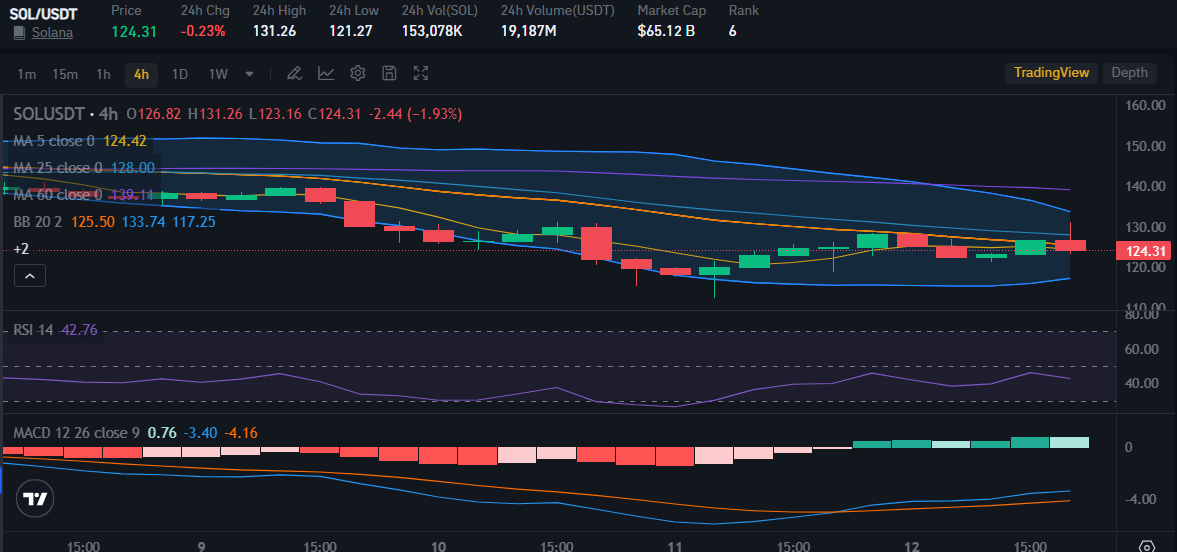
Technical analysis reflects a bearish sentiment in the market. Solana’s Relative Strength Index (RSI) dropped to 42 at 11:15 AM EST, nearing oversold territory, which could signal a potential rebound if buying interest returns.
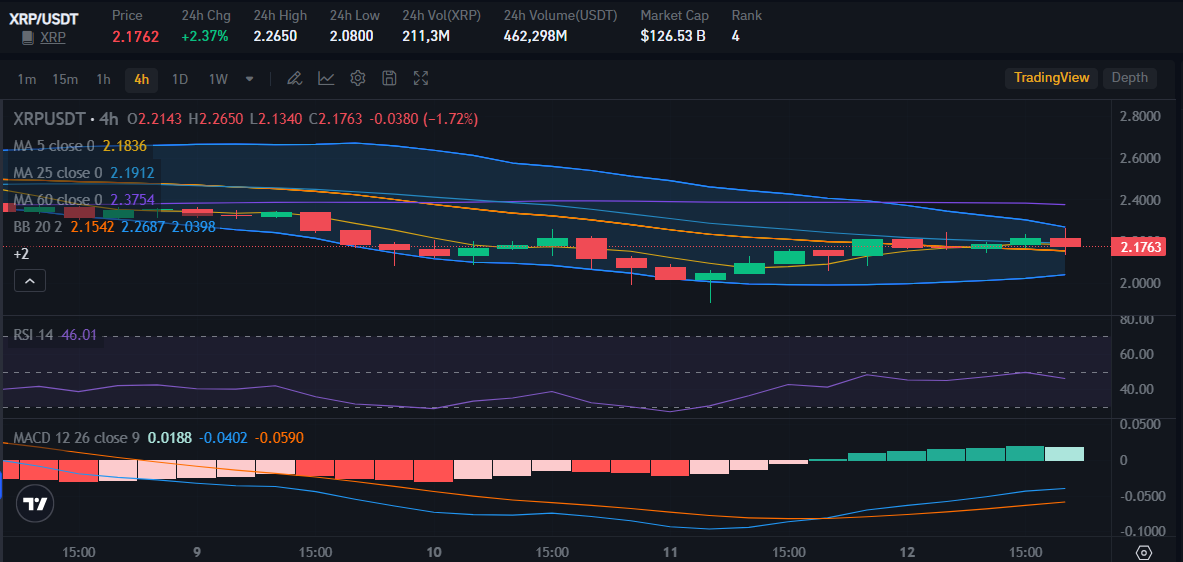
XRP’s RSI fell to 46, while Litecoin and Dogecoin maintained readings of 48 and 50, respectively, indicating neutral stances but a potential for further downward pressure if selling continues.
On-chain metrics also showed increased activity. Solana’s active addresses rose by 10% to 250,000, suggesting heightened user engagement. XRP’s active addresses increased by 8% to 400,000, while Litecoin and Dogecoin saw a rise of 5% and 3%, respectively.
Those figures indicate strong network usage despite price declines, hinting at sustained investor interest.
AI Token Market Stability Amid Regulatory Uncertainty
Interestingly, AI-related cryptocurrencies like SingularityNET (AGIX) and Fetch.AI (FET) remained largely unaffected by the SEC’s decision, with minor price movements of 0.2% and 0.1% respectively at 11:30 AM EST.
The correlation between Bitcoin and AI tokens remains stable at 0.65 over a 24-hour period, suggesting that AI tokens may follow Bitcoin’s trajectory rather than reacting directly to ETF-related market shifts.
Potential BlackRock Entry into the XRP ETF Market
The XRP community has been speculating on whether BlackRock, the world’s largest asset manager, might enter the XRP ETF market. Legal expert Bill Morgan suggested that BlackRock could leverage the SEC’s delays to file its own XRP ETF application, potentially gaining a competitive edge.
While BlackRock has not officially announced an XRP ETF filing, analysts believe it may wait for a resolution in the ongoing Ripple lawsuit before making a move.
Franklin Templeton Joins the XRP ETF Race

Despite the regulatory delays, financial giant Franklin Templeton has filed an application for a spot XRP ETF. The firm intends to list the ETF on the Cboe BZX Exchange, with Coinbase Custody Trust Company managing asset security.
This move aligns with a broader trend of institutional interest in cryptocurrency ETFs, following in the footsteps of firms like Bitwise, 21Shares, and Grayscale.
Franklin Templeton’s filing suggests growing confidence in XRP’s regulatory future, particularly with the possibility of a more crypto-friendly stance under the Trump administration.
Analysts predict that an XRP ETF approval could occur following a potential settlement in the Ripple lawsuit before April 16, 2025.
XRP Market Outlook and ETF Demand
The prospect of an XRP ETF approval has fueled investor optimism, leading to a 5% price increase in XRP, with open interest surging by 2.28% to $3 billion. The 24-hour liquidation volume also rose to $13.85 million, with over $7 million in short liquidations.
Analysts point to a bullish divergence in XRP’s technical charts, suggesting the potential for a strong upward rally if broader market conditions improve.
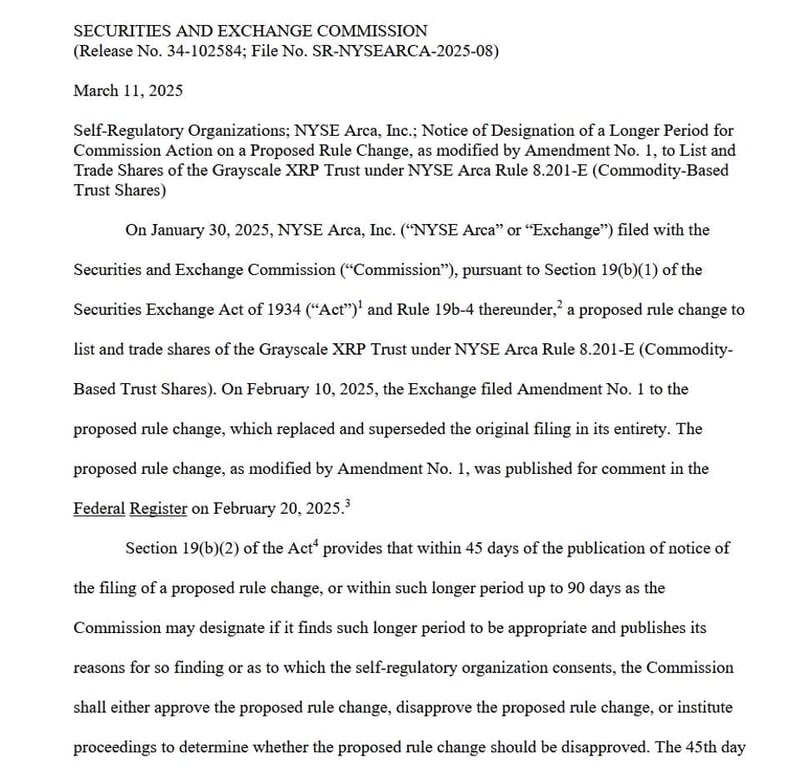
The SEC has acknowledged Grayscale’s application for a spot XRP ETF, initiating a 45-day review period. However, the process could extend for up to 240 days, with a final decision potentially arriving by mid-October 2025.
Franklin Templeton’s application joins a growing list of pending XRP ETF filings from major asset managers, including Bitwise, 21Shares, WisdomTree, VanEck, and CoinShares.
The growing demand for XRP ETFs follows the success of spot Bitcoin ETFs, which now manage nearly $100 billion in assets. Ripple Labs CEO Brad Garlinghouse has expressed confidence in XRP ETF approval, citing strong institutional and retail demand.
Despite regulatory uncertainty, major asset managers continue to push for crypto ETF approvals, recognizing their potential to attract institutional investment.
With increasing pressure on the SEC to approve alternative cryptocurrency ETFs, industry experts believe that an XRP ETF could be among the next major approvals, paving the way for broader adoption of altcoin-based investment products.
Conclusion
The SEC’s latest delay in approving spot crypto ETFs has sent ripples through the cryptocurrency market, impacting prices, trading volumes, and investor sentiment.
While Solana, XRP, Litecoin, and Dogecoin experienced immediate declines, growing institutional interest—especially in XRP—suggests a strong long-term outlook for crypto ETFs.
Franklin Templeton’s entry into the XRP ETF race further highlights the expanding role of major financial institutions in the crypto market.
As the SEC continues its review process, investors and traders will closely watch regulatory developments, potential BlackRock moves, and the outcome of the Ripple lawsuit.
The approval of a spot XRP ETF could mark a transformative moment for the market, offering new investment opportunities and reinforcing the legitimacy of digital assets in mainstream finance.
by | Mar 12, 2025 | Business
Stay updated on XRP news, ETF developments, and regulatory shifts shaping the cryptocurrency market. Explore XRP price trends, SEC decisions, and institutional adoption driving market movements. Read more for key insights!
The cryptocurrency market continues to be a focal point for investors, with XRP taking center stage following key regulatory developments and ETF filings.
Recent movements in the XRP price, institutional interest, and government policies have driven market activity, making it a crucial time to analyze what’s happening in the space.
XRP-Spot ETFs Gain Traction Amidst Growing Institutional Demand
On Tuesday, March 11, 2025, activity in the U.S. ETF space saw a significant boost as Franklin Templeton filed for an XRP-spot ETF.
This move adds Franklin Templeton to the growing list of firms—21Shares, Bitwise Invest, Canary Funds, Grayscale, and WisdomTree—seeking to introduce XRP-spot ETFs.
Bloomberg Intelligence Senior ETF Analyst Eric Balchunas highlighted the rise in alt/meme-coin ETF filings, stating: “This is the 64th alt/meme coin ETF filing that is now awaiting approval.”
Franklin Templeton’s filing signals optimism that the U.S. Securities and Exchange Commission (SEC) may approve altcoin ETFs, particularly given the pro-crypto stance of the Trump administration and an anticipated regulatory overhaul.
SEC Delays and XRP’s Legal Battle
Bloomberg Intelligence analyst James Seyffart provided insights on recent crypto-spot ETF filings: “Yes, the SEC just punted on a bunch of altcoin ETF filings including Litecoin, Solana, XRP & DOGE. It’s expected as this is standard procedure & Atkins hasn’t even been confirmed yet. This doesn’t change our (relatively high) odds of approval. Also note that the final deadlines aren’t until October for these.”
Additionally, the SEC’s pending appeal in the Ripple case adds another layer of uncertainty. The agency filed its opening brief on January 15, challenging the Programmatic Sales of XRP ruling.
Ripple must submit its reply brief by April 16, 2025, a deadline that could influence the SEC’s next steps.
Pro-crypto lawyer Fred Rispoli speculated that a resolution could come before the deadline, stating: “Some type of deal has been reached behind closed doors. Illogical not to think this based on all the other cases getting resolved.”
An appeal withdrawal could remove legal hurdles and significantly impact the approval process for XRP-spot ETFs.
XRP Price Trends and Key Market Catalysts
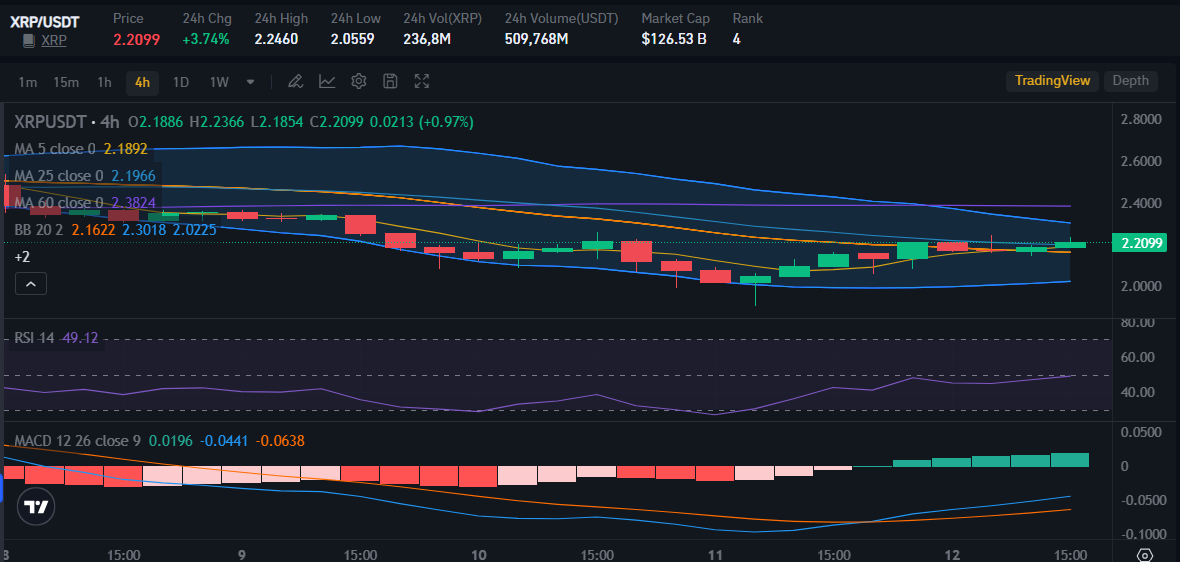
On March 12, XRP surged 3.74%, reversing a 5.33% drop from the previous day to close at $2.2099. Investor optimism regarding a potential SEC appeal withdrawal and XRP-spot ETF approval fueled the rally.
Key Factors Influencing XRP Price:
1. U.S. Strategic Reserve Asset: Speculation about a multi-crypto reserve, including XRP, could boost investor sentiment.
2. SEC Appeal Strategy: If the SEC drops its appeal, XRP could surpass its all-time high of $3.55. Prolonged legal uncertainty, however, may push prices below $1.50.
3. ETF Developments: Approval of an XRP-spot ETF could drive institutional inflows, potentially pushing prices toward $5.
4. Macro Risks: Rising U.S. inflation and trade tensions could weigh on XRP, while easing concerns could support a recovery to $2.50.
Technical Analysis: XRP Maintains Support
XRP continues to defend the psychological support level at $2.00, a key threshold tested multiple times in recent months. Each interaction with this level has triggered a significant buying reaction, signaling strong market support.
Bitcoin’s Rebound and Market Dynamics
Bitcoin (BTC) also made headlines, rebounding 5.50% on March 11 to close at $82,946 after a five-day losing streak. The rally followed speculation that the U.S. government might acquire BTC as part of a strategic reserve initiative.
Senator Cynthia Lummis and the Bitcoin Act
Senator Cynthia Lummis reintroduced the Bitcoin Act, proposing that the U.S. government acquire one million BTC over five years with a 20-year holding period. Lummis stated: “By transforming the presidency’s visionary executive action into enduring law, we can ensure that our nation will harness the full potential of digital innovation.”
Despite this optimism, BTC-spot ETFs reported continued outflows, with $393.3 million exiting the market on March 10, marking a third consecutive session of declines.
Bitcoin Price Scenarios:
1. Bearish: Rising trade tensions, opposition to the Bitcoin Act, and ETF outflows could drag BTC toward $70,000.
2. Bullish: Growing political support for the Bitcoin Act and renewed ETF inflows could push BTC toward $109,312.
Regulatory Clarity and the Future of XRP
XRP’s future hinges on two major developments:
1. SEC’s Appeal Decision: An appeal withdrawal could pave the way for XRP-spot ETF approvals and trigger a broader crypto rally.
2. Institutional Adoption: Banks and financial institutions increasing their use of XRP for cross-border transactions would enhance its long-term viability.
Can XRP Make Investors Millionaires?
Given its current market cap of $129 billion, XRP has limited room for exponential growth. However, if it secures a dominant role in digital payments and regulatory clarity improves, it could still offer significant upside potential.
Conclusion: A Defining Moment for XRP and Crypto Markets
With regulatory shifts, ETF developments, and institutional adoption at play, XRP and the broader crypto market are at a critical juncture.
While risks remain, growing government support and a potential resolution to Ripple’s legal battle could propel XRP to new heights. Investors should remain vigilant, monitor regulatory changes, and consider a diversified approach to crypto investing.
by | Mar 12, 2025 | Business
160-km Freedom March to Honor WWII Heroes Resumes in 2025. The legacy of valor and sacrifice continues as descendants of World take part in the annual Freedom March.

Civilians, military personnel, government officials, students, and families, take part in the annual Freedom March.



by | Mar 12, 2025 | Business
Indonesia, with its booming economy and strategic location, is a magnet for international entrepreneurs. If you’re ready to set sail and establish your business in this exciting market, navigating the intricacies of business license applications is essential for a smooth launch. This comprehensive guide unravels the mysteries of obtaining business licenses in Indonesia. We’ll delve into the transformed landscape with the Online Single Submission System (OSS), explore different license types, and provide a step-by-step breakdown of the application process. Additionally, you’ll gain insights into company structures, minimum investment requirements, and resources to ensure compliance with foreign investment regulations. By the end of this article, you’ll be well-equipped to conquer the challenges of business license applications in Indonesia, propelling you towards a successful venture in the archipelago.
The Evolving Landscape of Business Licensing
Gone are the days of cumbersome, multi-agency application processes. In 2019, Indonesia introduced the Online Single Submission System (OSS), a game-changer for business licensing. The OSS streamlines the process, functioning as a one-stop shop for obtaining your Business Identification Number (NIB) and various licenses. This transparency and efficiency make starting a business in Indonesia more attractive than ever.
Types of Business Licenses in Indonesia
The specific business license you require depends on your company’s structure and activities. Here’s an overview of the most common licenses:
Business Identification Number –Nomor Induk Berusaha(NIB): This mandatory business identification number acts as your company’s unique identifier in Indonesia and is the first step in the licensing process.Construction Business License –Surat Izin Usaha Jasa Konstruksi(SIUJK): If your company provides construction services, such as contractor or as an architect you’ll need this license.Other Industry-Specific Licenses: Depending on your industry, additional licenses might be necessary. For instance, restaurants require a Hygiene Permit, while manufacturers might need an Environmental Impact Analysis (AMDAL).
The Business License Application Process: A Step-by-Step Guide
Now that you understand the different licenses, let’s delve into the application process:
Company Establishment: Before applying for licenses, ensure your company is legally established. This typically involves registering your company with the Ministry of Law and Human Rights (MOLHR).NIB Acquisition: Through the OSS platform, you’ll submit your company details, choose your desired business activities, and pay the associated fees to obtain your NIB.Specific License Application: Depending on your chosen business activities, you’ll need to apply for the relevant licenses (SIUJK, etc.) either through the OSS or to the relevant minstry. This might involve submitting additional documents specific to your industry.Review and Approval: The OSS system will review your application and request any missing information. Once approved, you’ll receive your official business license.
Documents Required for Business License Application
The specific documents required will vary depending on your chosen business structure and license type. However, some general documents you might need include:
A copy of your company’s Articles of Association (AOA)Your company’s NIBProof of company domicile (e.g., lease agreement)Identity documents of company directors and shareholdersPower of Attorney (if applying through a representative)Industry-specific documents (e.g., environmental impact analysis report for certain industries)Understanding Company Structures and Minimum Investment Requirements
The type of business license you require can also be influenced by your chosen company structure. Here’s a closer look at some common structures for foreign-owned companies in Indonesia:
Penanaman Modal Asing(PMA): This translates to “Foreign Direct Investment Limited Liability Company” and is the most popular option for full foreign ownership (up to 100%). However, there’s a paid up ccapital requirement of IDR 10 billion (approximately USD 680,000+), excluding land and building assets.Representative Office (RO): An RO allows a foreign company to establish a presence in Indonesia for limited activities like market research or promotion. ROs cannot directly engage in commercial activities.
Understanding Positive Investment List
The Indonesian government maintains a Positive Investment List that outlines specific business sectors where foreign ownership are opened or restricted. It’s crucial to check the Positive Investment List before finalizing your company structure and business activities to ensure compliance.
Conclusion
Securing a business license in Indonesia paves the way for your entrepreneurial journey in this dynamic market. This guide has equipped you with the knowledge to navigate the application process, from understanding the different licenses (NIB, SIUJK, etc.) to navigating the Online Single Submission System (OSS). We explored various company structures (PMA and RO) and minimum investment requirements, along with the importance of complying with the Positive Investment List. Remember, with careful planning, seeking assistance from qualified professionals when needed, and a thorough understanding of the regulations, obtaining your business license can be a successful stepping stone to launching your venture in Indonesia. So, dive into the exciting opportunities that Indonesia offers, armed with the knowledge you’ve gained from this comprehensive guide.
Simplify your business license application with our expert support. This guide has empowered you with the knowledge, but navigating regulations and the OSS system can be complex. Our team streamlines the process, ensuring you obtain the correct licenses and comply with all requirements. Focus on your vision – let us handle the licensing hurdles.








You must be logged in to post a comment.