
by Penny Angeles-Tan | Aug 21, 2024 | Banking and Finance, Entertainment
If asked to choose between working a regular 9 to 5 job and playing a video game all day, most people nowadays will probably choose to play. I can already hear my parents scolding me and saying something like,
“Why waste time on games? It’s not as if you can make money from that!”
But the world is not as it was, and people of all ages have discovered that it is actually possible! How? The most obvious answer would be to join tournaments. Just like in any sport, amateur and professional gamers compete against each other to win the prize money and other additional items, both virtual and physical.
But is that the be-all and end-all of how to earn from gaming? Phantom Arena has gone BEYOND that and introduced the concept of game finance or GameFi.
According to Capital.com, “GameFi combines blockchain technology elements such as non-fungible tokens (NFTs) and cryptocurrencies with gaming to provide economic incentives to players. Therefore, GameFi is also referred to as play-to-earn (P2E) gaming.”
Phantom Arena is the Grab/Uber of Game Finance
In early 2024, a new player entered the realm of game finance. Phantom Arena is a blockchain PVP game that “provides up to 50 players with the opportunity to engage in real-time battles within the selected arena. Players compete for the supreme position to achieve top rankings and win enticing rewards.”
According to Phantom Arena CEO Alan Hung, “Phantom Arena is a pioneering platform in today’s crypto landscape, designed to empower Web3 users worldwide. It serves as a comprehensive, ready-to-deploy ecosystem aimed at supporting projects facing challenges with utility and community engagement.
Our goal is to establish a new standard within the GameFi sector and collaborate with crypto enthusiasts to enhance the overall quality of the crypto environment.”
Grab and Uber are the industry leaders when it comes to ridesharing, not just in the Philippines but all over the world. While there are many riding apps in the market, nothing beats them in popularity. Despite being a new player in the market, Phantom Arena has been able to position itself as such with tournaments and networking events organized in multiple places all over the world.
Here in the Philippines, when we want to book a ride, top of mind we think Grab. In the realm of game finance, that name would be Phantom Arena.
I confess, just like many Gen-Xers, I have many reservations about cryptocurrency, mostly because of a lack of knowledge about it. Currency being something other than dollar, peso, or any other regular country currency is scary! But then, after doing some research and talking to some people who invest in cryptocurrency have made me open it.
A solution born out of necessity and ingenuity
The pandemic resulted in many suffering from mental health issues and aggression due to enforced confinement and the inability to socialize normally. This meant that interaction was limited to a virtual space. Phantom Arena provides an outlet for users to express their aggression in a safe space while having the opportunity to earn money at the same time.
Which leads to the question of “how do you earn money from playing this game”? Watch out for the details in the next article.

by Penny Angeles-Tan | Aug 20, 2024 | Business
In the second installment of the four-part series of Media and Information Literacy Education in the Philippine Classrooms. This article delves into how the Philippines is preparing teachers for Media and Information Literacy (MIL). This also tackles about current challenges, innovative training programs, and strategies to empower educators.
For nations to succeed in the global digital revolution, media and information literacy (MIL) is the educational bedrock that we need right now. The Philippines recognizes this opportunity. They integrated MIL education into its K-12 curriculum. However, in the previous article, we know for a fact that there is a digital divide and infrastructure issues to make MIL accessible.
In this article, we’ll dive into the human resource part of the equation – the teachers. The success of this initiative rests in their hands. Sadly, the government is not making enough effort to ensure that every teacher is well-equipped and well-prepared in the digital golden age.
In the following section, we will discuss the importance of teacher empowerment, and the solutions to make our teachers proficient in MIL.
The Need for Teacher Empowerment
It is the first step that the Philippines integrated MIL into its curriculum. Nonetheless, there are still significant gaps in teacher readiness. Many teachers feel ill-equipped to teach MIL effectively primarily due to insufficient training and resources.
We have to understand that MIL is a new subject that has been introduced to meet the demands of the digital world. Hence, the information is relatively new and not yet effectively democratized. This explains why teachers are ill-prepared. Aside from the content component problem, they also need to be trained on the execution component.
What exacerbates this problem is that they also lack the resources to avail technologies that will train them to be MIL proficient. It is not reasonable for them to shoulder all the burden of this initiative where in fact they are not being paid enough in their current role. It is clear that our educators need more support.
A Two-Pronged Approach to Teacher Training
To empower our teachers, we need a robust approach to their training. This means comprehensive initial preparation. This covers teaching them the basics of MIL and effective strategies. Furthermore, we must also provide ongoing professional development, keeping them up-to-date with the latest teaching methods and technology trends.
Continuous Learning for Educators
Think of it like a continuous learning journey for our teachers. Workshops, seminars, and peer learning groups can all help them hone their skills and stay ahead of the curve. This constant engagement ensures that oureducators remain confident and capable in this ever-changing digital landscape.
Understand that the digital landscape is also continuously evolving. Hence, there are new trends that teachers must learn in order to keep up. So, failure to finance their ongoing training for MIL will make Filipino students further left behind compared to their international counterparts who are investing in MIL.
In addition, teachers are the main actors in making the whole system effective. Contents of the MIL instruction could be obsolete down the line but the pattern recognition and the skills that these teachers will develop over time will not. So, we must invest in teacher education in MIL instruction.
Engaging Pedagogy for MIL
Effective MIL training isn’t just about lectures. It’s about fostering critical thinking and real-world problem-solving. We need to use a variety of teaching methods like inquiry-based learning, case studies, and even simulations. This makes MIL more engaging and relatable for students.
Now, this is a challenge for the whole educational system in the Philippines where rote memorization is the key component of instruction and assessment. For years, students have demanded to memorize rather than scrutinize the facts that they dealt with. For example, history lessons make you memorize dates and the persons involved. What they should be teaching is why the event took place, whether should it have taken place and what are wegoing to do to prevent it from happening again.
This should be the norm in teaching MIL. Students must be taught how to scrutinize the credibility and accuracy of the medium they are going to consume. Then, they must use critical thinking skills like inference and drawing conclusions based on their context and other perspective.
What we’re saying is the pedagogy for MIL should not be rote memorization but analytical thinking.
Investing in Teachers, Investing in the Future
The key message here is if we invest in our teachers, we invest in our students. They should be given support through comprehensive training and ongoing development. The end result is that the next generation has the critical thinking skills to withstand our complex media environment. The future of MIL education in the Philippines is bright, and it all starts with empowering our teachers.
Coach Boost Gio
by Penny Angeles-Tan | Aug 19, 2024 | Business
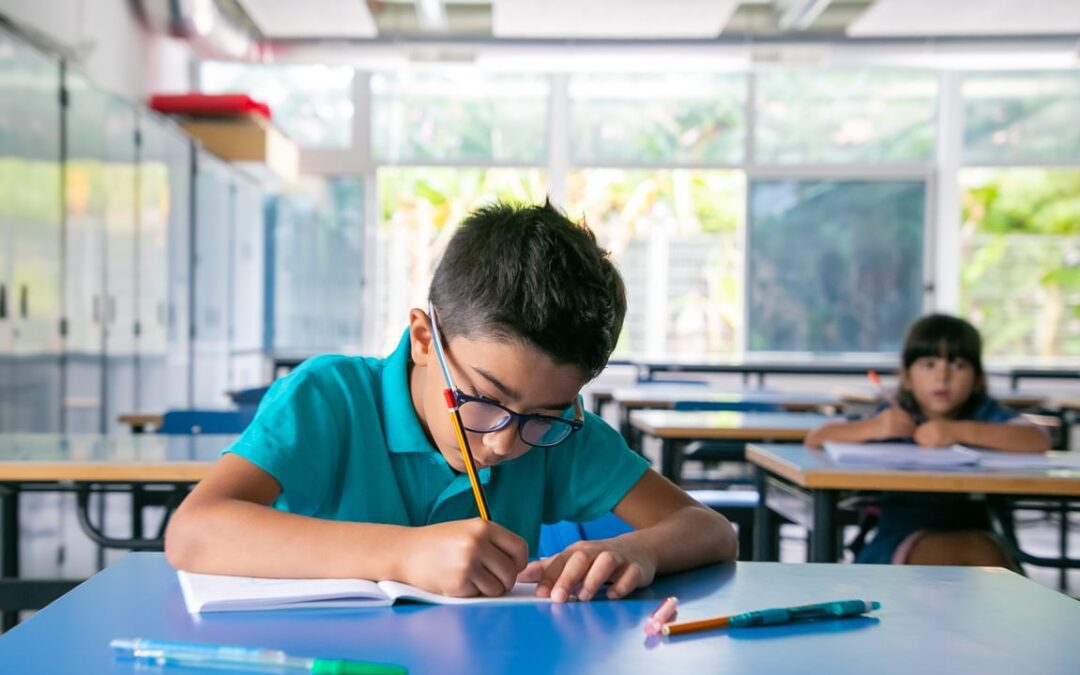
This is the first installment of the four-part series of Media and Information Literacy Education in the Philippine Classrooms. This article analyzes the integration of Media and Information Literacy (MIL) in the Philippine curriculum. It also focuses on the challenges, strategies, and successes in teaching the subject to senior high school students.
In Finland, its government integrated high-quality standards for Media and Information Literacy in order toaddress the Russian government’s misinformation campaign. They acknowledge that the proliferation of fake news will always exist. They knew that they could not stop propaganda that sought to sow division. Hence, the way to resolve such issues is to develop critical thinking skills. After all, Finnish people will read that misinformation anyway. That is why this skill set is no longer a luxury, but a necessity.
This is the scenario that the Philippines wants to avoid. This is why MIL has been made a core part of its Senior High School curriculum. They knew that teaching the youth MIL headstart would prevent them from becoming misinformed adults in the future.
However, what does this mean for students and teachers, and what challenges lie ahead?
Impact of MIL on Students and Teachers
In the short term, the benefits will not be that obvious. However, in the long term, the students and the country as a whole will reap what they have sown. From the perspective of the students, they will have the necessary critical thinking skills to evaluate the correctness of information through cross-researching credible information sources. Moreover, critical thinking skills could be used in other facets of their lives like general life skills where using their common sense will be the norm.
In the grander scheme of things, this education they got from MIL instruction will prepare them for voting for the right candidate through the campaigns and biographies that they could get. They can also participate in national issues that the nation faces.
On the other hand, the benefit that the teacher will get from teaching Media and Information Literacy among students is that they could have a higher bargaining power to provide their schools with IT supplies and additional certifications that will upskill them. After all, they are the ones who will ensure the success of the said program.
However, it is all theoretical unless the government funds MIL education. The goal is to develop well – informed citizenry through critical thinking. This can only be achieved when there is the right accommodation of infrastructure, resource allocation, and policy interventions because implementing MIL is expensive and labor-intensive.
As mentioned in the last series, the Philippines has huge economic disparities wherein it presents a stark digital divide. It is always up to the government on how to tackle these issues.
Overcoming Hurdles in MIL Education
Like any new initiative, teaching MIL has its challenges. These include:
• Lack of Teacher Training: Teachers lack the confidence to teach this subject due to a lack of specialized training and resources. Understandably, they will face that difficulty since MIL education is just a new subject matter. To bridge this gap, the Department of Education (DepEd) partnered with NGOs to offer workshops and mentorship programs to teachers so that they could be proficient in teaching the subject.
• Curriculum Overload: The Philippine curriculum is stuffed with several subjects that it impossible to focus on MIL education. For this reason, some schools are creatively integrating MIL into existing subjects like English and Social Studies. This may seem an efficient way to teach MIL but to address this issue, the education department must decrease the subject loads of each student. After all, it is the improved skill sets of critical thinking, writing, and reading that matter, not the contents themselves since they may be obsolete in the future.
• Digital Divide: Limited access to technology in rural areas and poor communities remains a hurdle. Nevertheless, programs that opt for gadget distribution, and internet connectivity among far-flung places are the ones that level the playing field.
• Teacher Shortages: Sadly there are too many students in schools but not enough teachers who can educate. The lack of teachers, especially in remote areas, adds another layer of complexity. Some schools are addressing this by embedding MIL topics into other subjects, reducing the need for specialized teachers. However, the real kicker to solve this issue is to increase teacher’s pay so prospective teachers will be incentivized to teach.
Innovative Solutions for MIL in the Philippines
The government could adapt the following policy recommendation:
• Curriculum Upgrades: This does not mean adding subjects or making the courses more difficult than they are but adapting educational gold standards that aim to bolster education such as integrating critical thinking skills in classrooms rather than rote learning. This will complement MIL classes.
• Teacher Development: Investment allocation towards teacher training will empower educators to deliver high-quality MIL instruction. These include subsidies on gadgets and specialization towards MIL instruction.
• Bridging the Digital Divide: Efforts to expand digital infrastructure and provide students with the tools they needwill continue.
• Global Inspiration: The Philippines can draw inspiration from countries like Finland and Canada, which have successfully integrated MIL into their education systems.
Empowering the Next Generation
Teaching Media and Information Literacy is not just about preparing students against the tides of the digital world. It’s about empowering students to become critical thinkers, responsible media consumers, and active participants in a global society. The journey is a long hurdle, but the commitment to MIL education in the Philippines is a testament to the nation’s dedication to preparing its youth for the challenges and opportunities of the digital age.
Coach Boost Gio
by Ferry Bayu | Aug 19, 2024 | Business
It has been announced that Midori Climate Partner has entered into a Memorandum of Understanding (MoU) with MITSUSHO to co-develop biochar carbon removal projects in Malaysia.
About the Partnership
This strategic partnership unites Midori Climate Partner, a Singapore-based leader in carbon credit development and ecosystem restoration, with MITSUSHO, a leading provider of GHG consultation and ESG services in Malaysia. The collaboration will provide comprehensive project structuring support to biomass suppliers—including food processing factories, forest management companies, and farmers’ cooperatives—who will act as project owners.
Benefits for Project Owners
Project owners, who will supply biomass waste such as coconut shells, durian seeds, and wood chips, will benefit from several key advantages. The financial support from carbon credit sales enables the development of high-quality projects, providing opportunities to generate profits, supply biochar-based organic fertilizer to community farmers at affordable prices, implement advanced waste management through a circular economy model, and produce green energy.
Call for Biomass Suppliers
We are actively seeking biomass suppliers who can provide substantial quantities of biomass waste for our initiative. In Malaysia, we are particularly interested in coconut shells, fruit seeds, wood chips, and pulp sludge, though we are open to other suitable materials as well.
Contact Information
For more information and to explore partnership opportunities, please contact in**@************er.com. This collaboration represents a significant advancement in environmental sustainability and sustainable waste management in Malaysia.
About MITSUSHO Sdn. Bhd.
MITSUSHO is the first carbon desk in Malaysia offering full suites of decarbonization products and services such as:
- Corporate Training on Carbon Market and GHG Measurement
- Access to Malaysia and Global Environment Products
- Consultancy
- Access to Sustainable Agricultural products
Representatives: CHAI Yihn Chan, CEO
Website: https://www.mitsushogreen.com/
by | Aug 19, 2024 | Business
Manila, Philippines – August 19, 2024 – VRITIMES, a leading press release distributor, today announced a strategic partnership with Malindang NewsLine and TriMedia Digital News, two prominent news outlets in Misamis Occidental and Northwestern Mindanao. This collaboration aims to significantly enhance the distribution and impact of press releases for businesses and organizations operating in the region.
By joining forces, VRITIMES, Malindang NewsLine, and TriMedia Digital News will create a powerful platform for businesses to reach a wider audience in Mindanao. VRITIMES’ cutting-edge technology will streamline the press release creation and distribution process while providing data-driven insights, while Malindang NewsLine and TriMedia Digital News’ extensive readership will ensure maximum exposure for news and announcements.
“We are thrilled to partner with Malindang NewsLine and TriMedia Digital News to expand our reach in Mindanao,” said Ferry Bayu, CEO at VRITIMES. “This collaboration allows us to offer our clients even greater opportunities to connect with their target audience and generate media coverage.”

by Penny Angeles-Tan | Aug 18, 2024 | Business
This is the last installment of the State of the Media and Information Literacy in the Philippines series. This article explains how the digital divide in the Philippines, especially in rural areas, hampers Media and Information Literacy (MIL). It will discuss how unequal internet access and digital literacy disparities exacerbate this issue and the steps needed to bridge the gap.
As stated in the previous article, the income disparities of Filipino households also lead to a stark contrast of digital disparities. This divide does not only limit access to information but also hinders the development of critical MIL skills, essential for the utilization of today’s media-rich environment. Below, we explore the factors contributing to this divide and how they impact MIL in the country.
Unequal Internet Access
In the Philippines, the disparity in internet access between urban and rural areas is a significant contributor to the digital divide. Urban centers boast more extensive internet infrastructure and connectivity. For example, Metro Manila enjoys the highest internet access rate at 32.3%. This reflects a concentrated investment in urban areas. In contrast, many rural regions struggle with limited or unreliable internet access which leaves large populations disconnected from the digital world.
Furthermore, income inequality exacerbates the digital divide. More affluent households are more likely to afford high-speed internet and modern digital devices. Meanwhile, poorer households face challenges in accessing even the most basic digital services.
Sadly, access to fixed broadband surged only among the wealthiest 40% of the population, while marginal improvements are seen among the poorest, illustrating the widening gap in digital access.
This stems from the inaccessibility and the expensive infrastructure set up in the Philippines. It is cheaper for internet companies to focus on urban areas rather than rural areas. In this case, the government should invest heavily in infrastructure in far-flung places to improve the said conditions
Negative Impacts on Education
The failure to resolve this digital infrastructure leads to the repercussions of this digital divide. It negatively impacts the educational sector. Students from rural and poor areas face significant barriers in adopting digital learning tools since they either cannot afford digital devices or internet connectivity is also inaccessible. These tools could have improved the ability of students to critically analyze media content and use information effectively. Without reliable internet, these students are often left out of online education opportunities.
A good example of said discrepancies was greatly seen during the COVID–19 pandemic. The more well-off students rely on online classes while the poorer students have to rely on paper modules to get by. The difference? The former gets proper instruction while the latter fends for himself.
Exacerbating MIL Disparities
If this trend continues, the digital divide will significantly restrict access to diverse sources of information. Students from poorer communities have limited access to the internet and they often rely on fewer and sometimes biased sources of information. This situation limits their ability to critically evaluate media content.
On the other hand, the disparities in internet access and digital literacy directly contribute to unequal educational outcomes. Wealthier students, with better access to digital tools and resources, are more likely to develop strong MIL skills. Unlike their economically challenged counterparts, they may fall behind. As a result, a perpetuates a cycle of inequality that affects their ability to engage critically with media and information.
If these groups have different sources of information, they may have polarized views on what is right and what is wrong since they cannot agree on the correctness of the facts they have learned.
Policy and Infrastructure: Bridging the Gap
To address these disparities, it requires a comprehensive approach. It starts with significant investments in digital infrastructure. The Philippine government must prioritize expanding broadband coverage to rural areas so that every Filipino has access to the Internet. Additionally, targeted educational policies that promote digital literacy across all regions are essential. This includes comprehensive teacher training programs that equip educators with the skills necessary to teach MIL effectively. The teachers should also be well compensated and well-subsidized for said digital technologies.
Meanwhile, community-based initiatives are also encouraged to step in to overcome cultural barriers. By engaging local communities and raising awareness about the importance of digital literacy, these programs can foster a more inclusive approach to technology adoption.
Conclusion
The digital divide in the Philippines presents a significant challenge to achieving widespread Media and Information Literacy (MIL), particularly in the rural and poor areas. Unequal access to the internet and varying levels of digital literacy exacerbate these disparities, impacting educational outcomes and limiting opportunities for critical engagement with media and information. Addressing these challenges requires a multi-faceted approach, including investments in digital infrastructure, targeted educational policies, and community engagement. Bridging this gap can ensure that the Philippines has equitable access to MIL resources, empowering all its citizens to thrive in the digital age.
Coach Boost Gio
by Penny Angeles-Tan | Aug 17, 2024 | Business
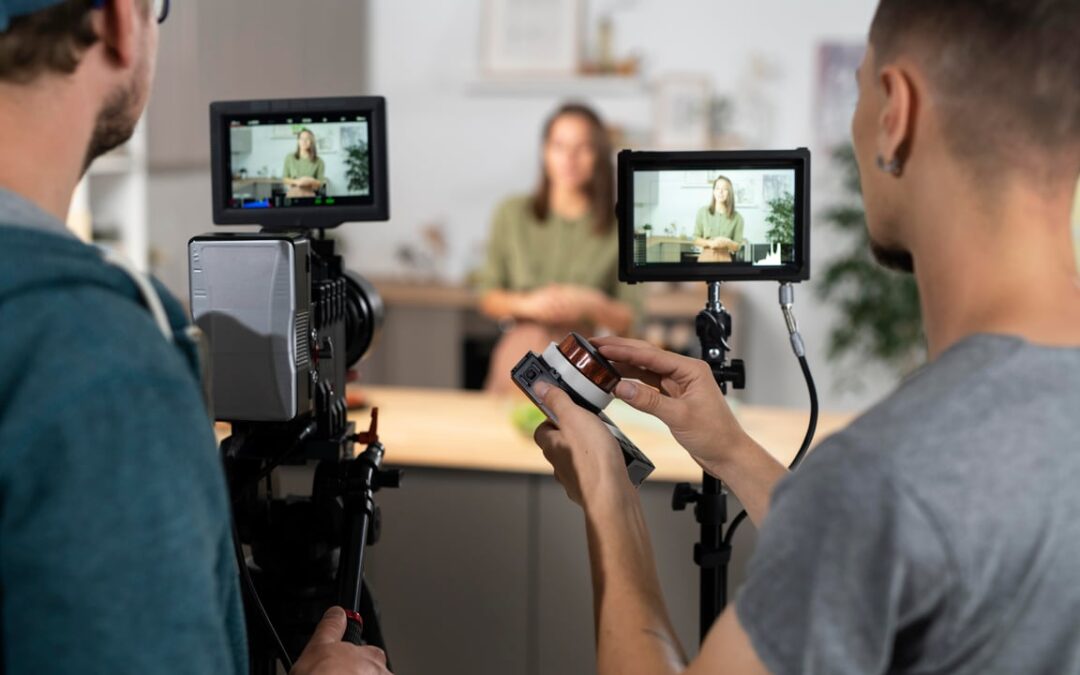
This is the third installment of the State of the Media and Information Literacy in the Philippines series. This article uncovers the socio-economic, cultural, and technological barriers hindering Media and Information Literacy (MIL) in the country, and explores effective solutions to promote digital literacy and critical thinking.
The previous article tackled how Media and Information Literacy (MIL) education faces an uphill battle on how to make it accessible to several students regardless of their geographic location and their socio-economic status in the Philippines.These obstacles are due to several barriers such as socio-economic and cultural factors. They limit the widespread adoption and effectiveness of MIL education.
These issues have to be addressed to ensure that the critical thinking and responsible media consumption of Filipino students are upskilled. It is MIL education that builds a well-informed and empowered citizenry.
Socio-Economic Barriers
Poverty
This is probably one of the most significant obstacles to MIL access in the Philippines. Since a larger portion of the population lives below the poverty line, many families cannot afford essential digital devices or internet connectivity. As a result, students from low-income families are at a disadvantage that they are unable to practice and develop MIL skills, which are increasingly necessary in today’s digital world.
Resource Scarcity in Schools
Underfunded public schools often face severe resource limitations. They lack the educational materials that are necessary to aid their education. Sadly, this negatively impacts inaccessibility to MIL-related materials because they are deemed secondary important compared to classrooms, chalks, and the like. Without the said materials, it is difficult to build MIL skills for children because it takes practice to hone these skill sets.
Teacher Training and Professional Development
The effectiveness of MIL education heavily relies on the preparedness of teachers. Unfortunately, many educators in the Philippines report feeling inadequately prepared to teach MIL. This is largely due to insufficient training and limited access to professional development opportunities that focus on MIL. Without proper training, teachers may lack the confidence and skills needed to effectively deliver MIL content, resulting in a diminished educational experience for students.
Solutions to these problems
First, the government must ensure that economic mobility is improved so that they can afford the said digital resources. Then, the government should allocate better funding for these projects. Get private sector donations to fill in the gap when necessary such as tax breaks on information technology and the like. Lastly, set some priorities for the development of MIL access. It may seem MIL-related materials are deemed unnecessary compared to STEM subjects but the fast-changing world is now relying on more recent information and these materials could bridge that gap.
Cultural Barriers
Cultural Differences and Traditional Beliefs
Cultural attitudes towards media consumption and information dissemination can significantly impact MIL. Different cultures have different ways to absorb information. Sometimes, this information does not adhere to the philosophies of these cultures. Even if others argue that this is the price of critical thinking, it is hard to change minds in a snap especially if these are the cultural norms they grew up with.
Language Barriers
The Philippines is a multilingual nation; hence, there are several spoken languages that they are accustomed to or more proficient with. Usually, the medium of communication among these MIL-related contents is in English. So, usually, there may be some miscommunication along the communication process. However, with the advancement of technology, this became less of a problem due to the translation abilities of such technology.
The solution to these problems
The initiatives of awareness campaigns and more people becoming vocal about presenting a different point of view. Yes, there may be some clashes of thoughts but that is the payment to make all people open to different points of view which are essential to MIL.
Technological Obstacles
Due to the lack of technological infrastructure and affordability, technological obstacles persist. First, the stark digital divide remains a significant challenge because poverty prevents households from buying the necessary gadgets that canteach them MIL skills.
Even if they could buy or avail such technology, internet connection is slow, expensive and unreliable, especially to rural and remote areas.
Overcoming the Technological Barriers
A multi-faceted approach is necessary to overcome these challenges. The following include:
· Policy interventions can ensure equitable access to digital resources and training for both students and teachers.
· Infrastructure development is crucial to bridge the digital divide and provide reliable internet access.
· Community engagement programs can address cultural and socio-economic barriers, while enhanced teacher training can equip educators with the necessary skills and resources to effectively teach MIL.
Conclusion
The barriers to MIL proficiency stem from different kinds of barriers such as socio-economic barriers, cultural barriers, and technological barriers. Each barrier has its own solutions and it is up to the government and community-based initiatives to implement those recommendations above in order to improve MIL access and its proficiency.
Coach Boost Gio

by | Aug 17, 2024 | Business
Manila, Philippines – August 17, 2024 – VRITIMES, a leading distributor of press releases, today announced a partnership with Diyaryo Milenyo, a respected non-profit online media organization dedicated to reporting on local community events and current affairs. This collaboration aims to empower local businesses and organizations by amplifying their press releases and fostering stronger connections within communities.
VRITIMES’ user-friendly platform simplifies press release creation and distribution, while Diyaryo Milenyo’s commitment to local news ensures targeted reach for impactful storytelling. Together, they offer a powerful tool for businesses and organizations to share their news and announcements with a relevant and engaged audience.
“At VRITIMES, we believe that strong local communities are essential for a thriving society,” said Ferry Bayu, CEO at VRITIMES. “Our partnership with Diyaryo Milenyo allows us to empower local voices and ensure that important local news reaches the people who matter most.”

by Penny Angeles-Tan | Aug 16, 2024 | Business
In the first installment of the State of the Media and Information Literacy in the Philippines series, discover how Media and Information Literacy (MIL) empowers citizens in a democracy, combating misinformation and fostering active participation in democratic processes.
Media and Information Literacy strengthens Democracy
Democracy relies on an informed and engaged citizenry. This makes or breaks a nation due to the policy choices of the said citizens. Media and Information Literacy (MIL) is crucial among voters. MIL is a skill that teaches individuals to filter out the vast information landscape. Such skill sets include the ability to discern facts from fiction, and the ability to make informed decisions that impact their lives and communities.
Unfortunately, the modern digital society has enabled bad actors to spread misinformation that causes a rift among people. It is understood that a minority of people want to benefit from policy choices that might harm most people. This makes MIL more essential in shaping responsible citizens, protecting them from bad actors, and ensuring the integrity of democratic processes.
What is Media and Information Literacy (MIL)?
This encompasses the knowledge and skills needed to access, evaluate, and create information and media content effectively. It ensures that individuals make informed decisions, engage in critical thinking, and participate actively in society and democracy.
Why is MIL Important in a Democracy?
In democratic societies, citizens need to make decisions based on accurate information. Without this skill, people are vulnerable to misinformation. In effect, the actions caused by misinformation can distort democratic processes and erode public trust. Misinformation campaigns can lead to harmful outcomes, such as skewed elections and social divisions. For example, the United Kingdom had some remorse when the country left the European Union through Brexit. In the United States, people are more divided due to the polarization of their political climate.
These harmful effects are what MIL tries to prevent. So, to ensure that people are safe from harm due to the minimization of inaccurate information, MIL must be a bedrock of every decision-making process in our society.
How do we minimize misinformation? It is through determining that our information could be misleading and hold the government and businesses accountable for a more media and information-literate society.
The Challenges of Misinformation Across Democracies
The digital age has transformed how information is disseminated. Now, more people, especially the younger generations, consume information through social media than traditional news sources. Sadly, these pieces of information are sometimes not fact-checked.
Most of the time, they are not even held accountable for spreading false information.
As a result, the spread of misinformation increased rapidly posing significant threats to democracy. MIL aids individuals to critically evaluate pieces of information and to recognize media biases. As a result, this could lead to more balanced and informed opinions.
How MIL Fosters an Informed Citizenry?
The core of MIL is to develop critical thinking skills. This enables individuals to question the reliability of information and reduces the impact of misinformation.
MIL also helps people to recognize media biases. This helps people to question their own beliefs and hold media companies accountable to demand better and more accurate information.
Furthermore, this skill strengthens the democratic process because informed citizens are more likely to engage in discussions, vote responsibly, and advocate for transparency in governance.
The Impact of Misinformation in the Digital Age
Misinformation is the false or misleading pieces of information spread to other people. This can negatively skew public opinion and decision-making. For example, fake news and manipulated images can influence electoral outcomes to vote for a propaganda-reliant party. Furthermore, it can fuel social divisions because people cannot agree on facts. Moreover, undermines the trust in institutions. Lastly, it can incite violence and disrupt public order in extreme cases.
Preventing Misinformation Through MIL
The promotion of Media and Information Literacy is key to combat misinformation. It starts with educational institutions. They should develop critical thinking skills in their curricula to develop the ability of students to discern facts from fiction and acknowledge biases from the content they consume. Meanwhile, social media companies should be regulated. To accommodate MIL in their platforms for the benefit of their users, these companies should promote transparency, provide tools for users to report misinformation, and limit the spread of false content.
MIL as a Tool for Combating Misinformation
With the help of MIL, it equips individuals to identify credible sources, fact-check information, and share content responsibly. By fostering skepticism and critical thinking, this helps reduce the spread of misinformation which promotes a more informed and engaged citizenry.
Conclusion
In a digital world where misinformation proliferates, Media and Information Literacy is an indispensable tool to strengthen democracy. It empowers citizens to make informed decisions, hold leaders accountable, and participate actively in civic life. Prioritizing MIL initiatives is essential to allow a resilient democracy that can withstand the challenges of the digital age.
Coach Boost Gio

by | Aug 16, 2024 | Business
Manila, Philippines – August 16, 2024 – VRITIMES, a leading press release distribution platform, today announced a strategic partnership with Newscore, a prominent weekly newspaper in Bulacan. This collaboration aims to significantly enhance the distribution and impact of press releases for businesses and organizations operating within the province.
By joining forces, VRITIMES and Newscore will provide a powerful platform for businesses to reach a wider audience in Bulacan and nearby cities. VRITIMES’ cutting-edge technology will streamline the press release creation and distribution process, while Newscore’s extensive readership will ensure maximum exposure for news and announcements.
“We are proud to partner with Newscore to expand our reach in Bulacan and the Philippines,” said Ferry Bayu, CEO at VRITIMES. “This collaboration allows us to offer our clients even greater opportunities to connect with their target audience and generate media coverage.”



 In early 2024, a new player entered the realm of game finance. Phantom Arena is a blockchain PVP game that “provides up to 50 players with the opportunity to engage in real-time battles within the selected arena. Players compete for the supreme position to achieve top rankings and win enticing rewards.”
 According to Phantom Arena CEO Alan Hung, “Phantom Arena is a pioneering platform in today’s crypto landscape, designed to empower Web3 users worldwide. It serves as a comprehensive, ready-to-deploy ecosystem aimed at supporting projects facing challenges with utility and community engagement.

 It has been announced that Midori Climate Partner has entered into a Memorandum of Understanding (MoU) with MITSUSHO to co-develop biochar carbon removal projects in Malaysia.






You must be logged in to post a comment.